Latest posts
-
China’s EV Supply Chains Become a Launchpad for Humanoid Robotics
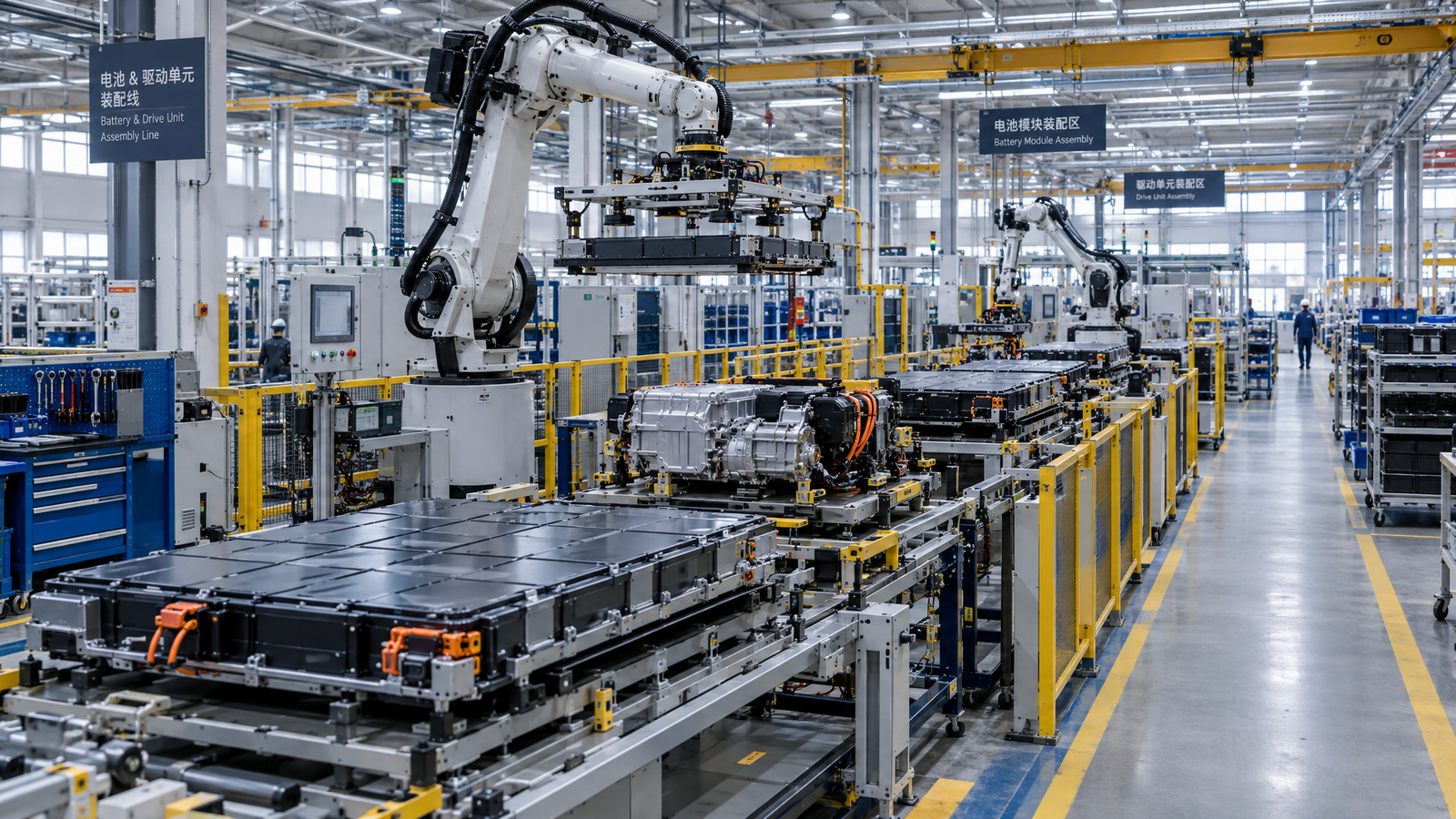
China’s EV manufacturing base may be becoming enabling infrastructure for industrial humanoid robotics. DIGITIMES reports about 60% overlap between EV and humanoid robot supply chains, pointing to a structural advantage in manufacturing depth and component reuse.
-
NTT Data and Anthropic Weigh 500MW Japan Data Center as Asia’s AI Infrastructure Race Accelerates
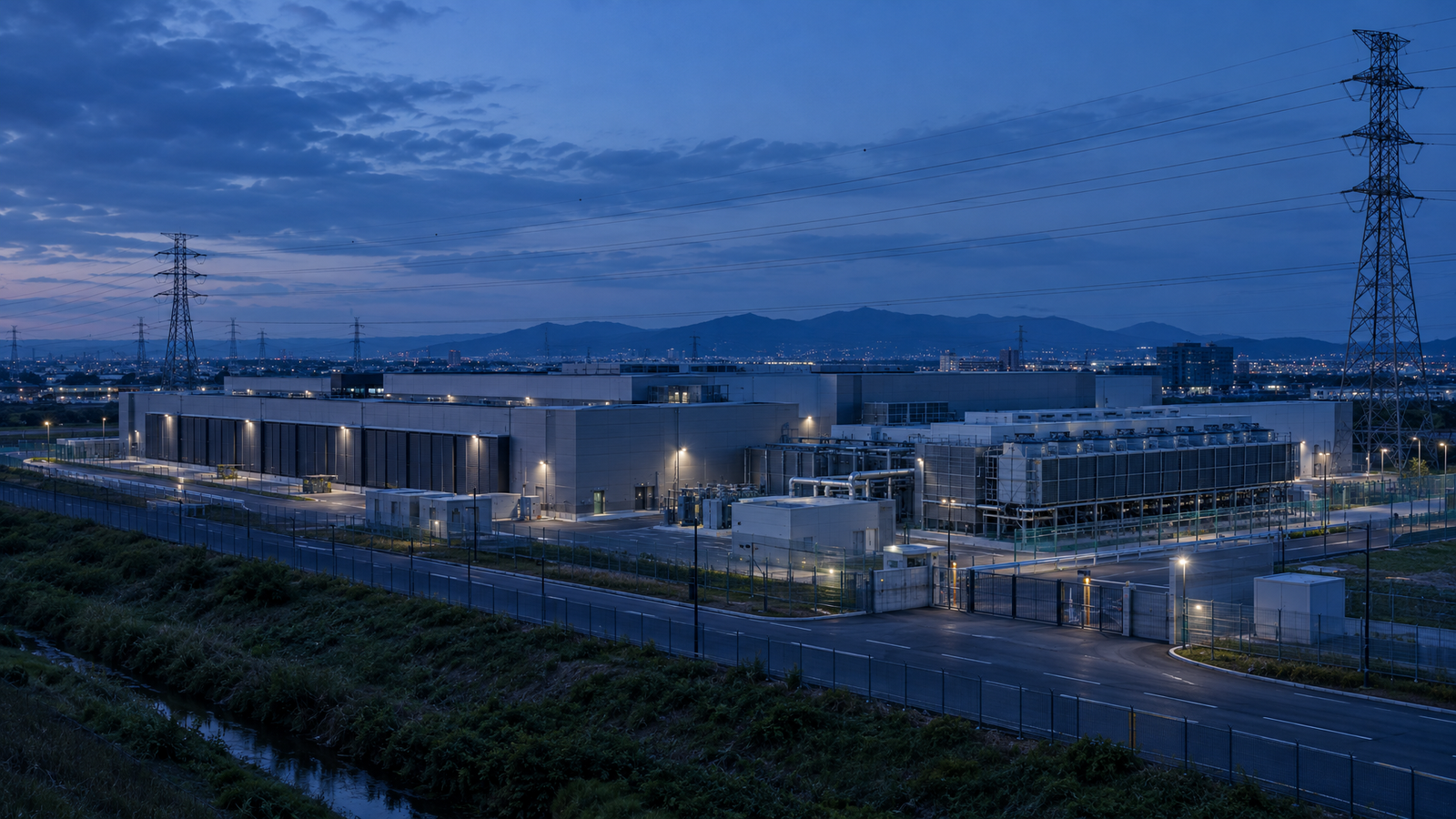
Reported NTT Data and Anthropic talks over a Japan site with up to 500MW highlight how AI competition is shifting toward power and physical infrastructure. The real test is whether electricity, land, and execution can be secured.
-
Public Backlash Against Data Centers Emerges as a Potential Constraint on AI Infrastructure Expansion
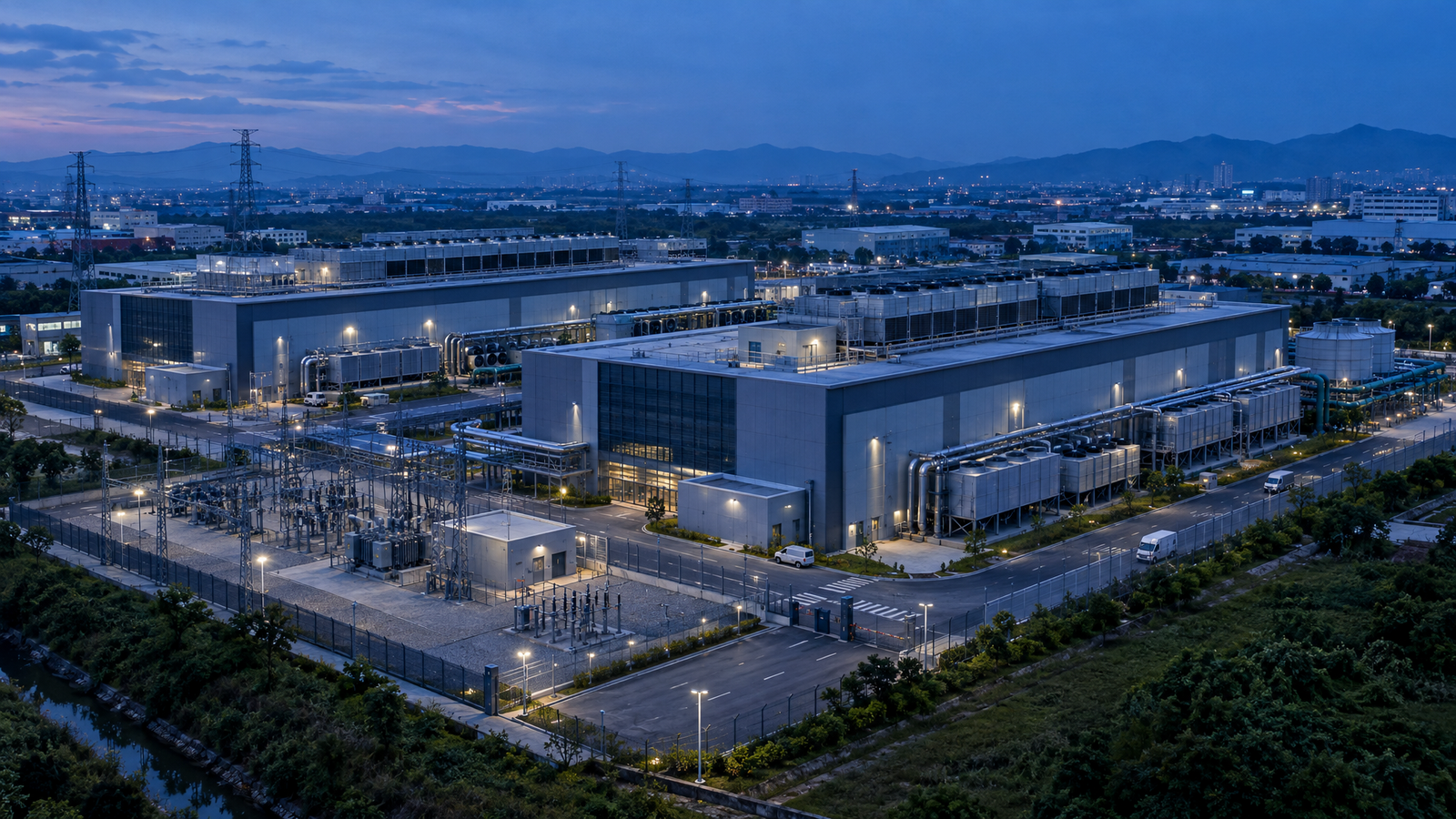
AI infrastructure is no longer constrained only by chips, capital, and electricity. Public resistance to data center expansion is emerging as a new execution risk, especially in energy-sensitive markets like Taiwan.
-
Beyond the Rulebook: Southeast Asia’s AI Governance Faces an Institutional Capacity Test

Southeast Asia’s AI governance debate is entering a more serious phase, but the real test is whether regulators can build the capacity to enforce what they write.
-
Southeast Asia’s Mixed-Stack AI Strategy Faces Growing Geopolitical Strain
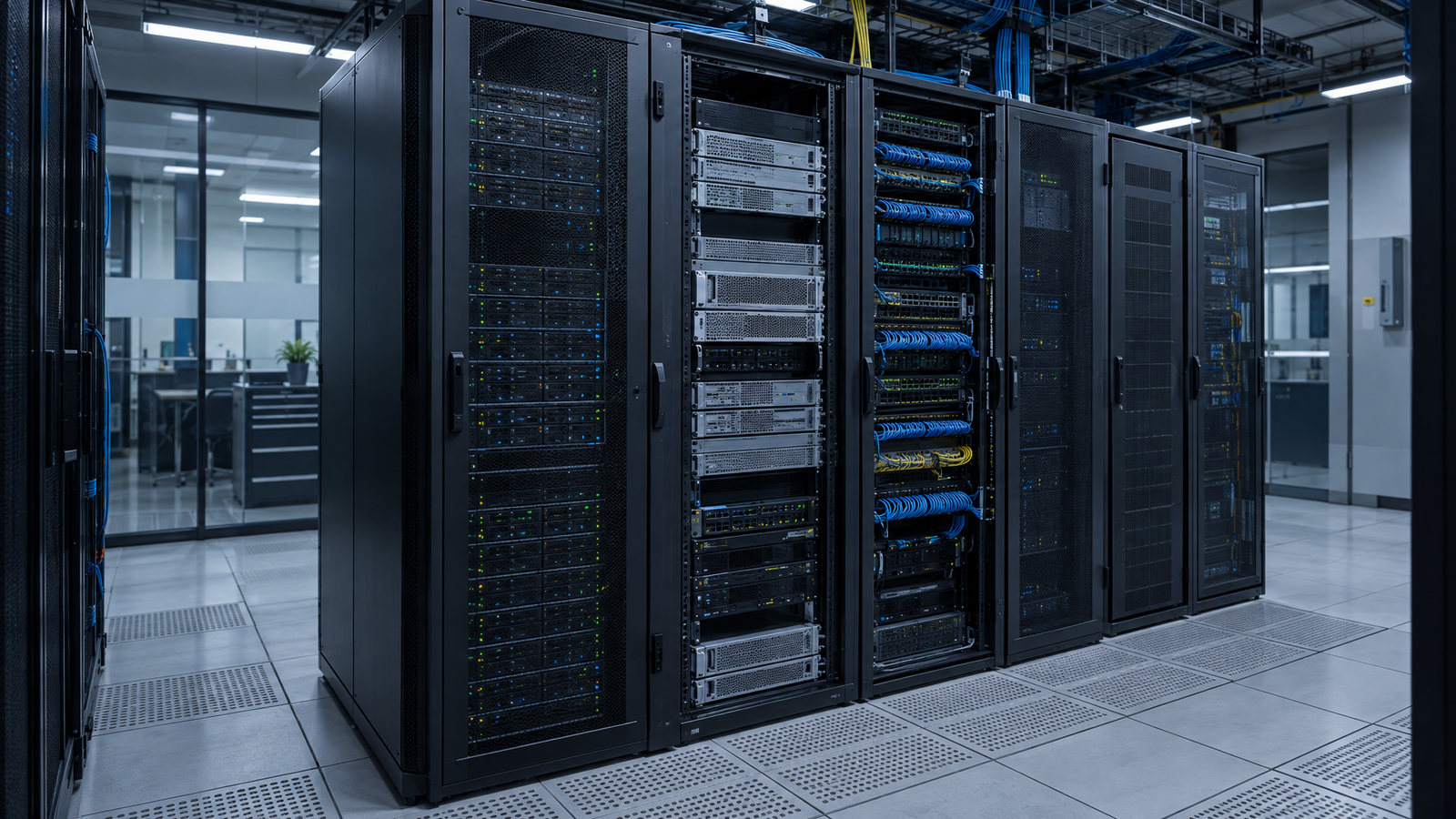
Southeast Asia’s mixed-stack AI strategy is pragmatic, but its flexibility may erode if geopolitical controls make cross-ecosystem access harder to maintain. The risk is higher cost and complexity across infrastructure, cloud, and procurement.
-
Reported OpenAI Training Pause Raises New Questions for Global AI Scaling
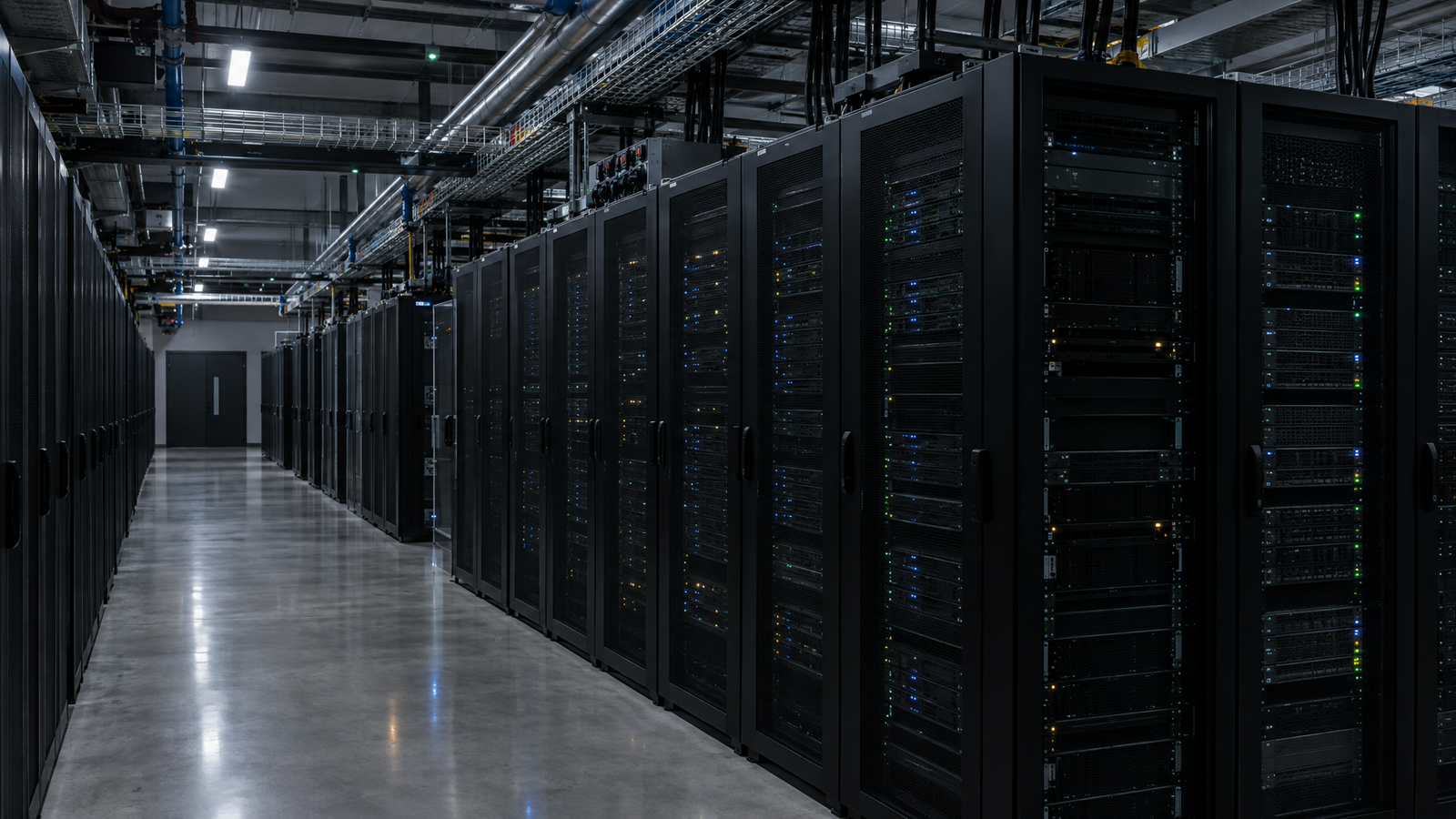
If OpenAI’s reported training pause holds up, the bigger signal is that safety may start shaping AI infrastructure timelines as much as chips, power, and capital.
-
China Probes DeepSeek and Moonshot AI Over Reported Data Routing to Anthropic
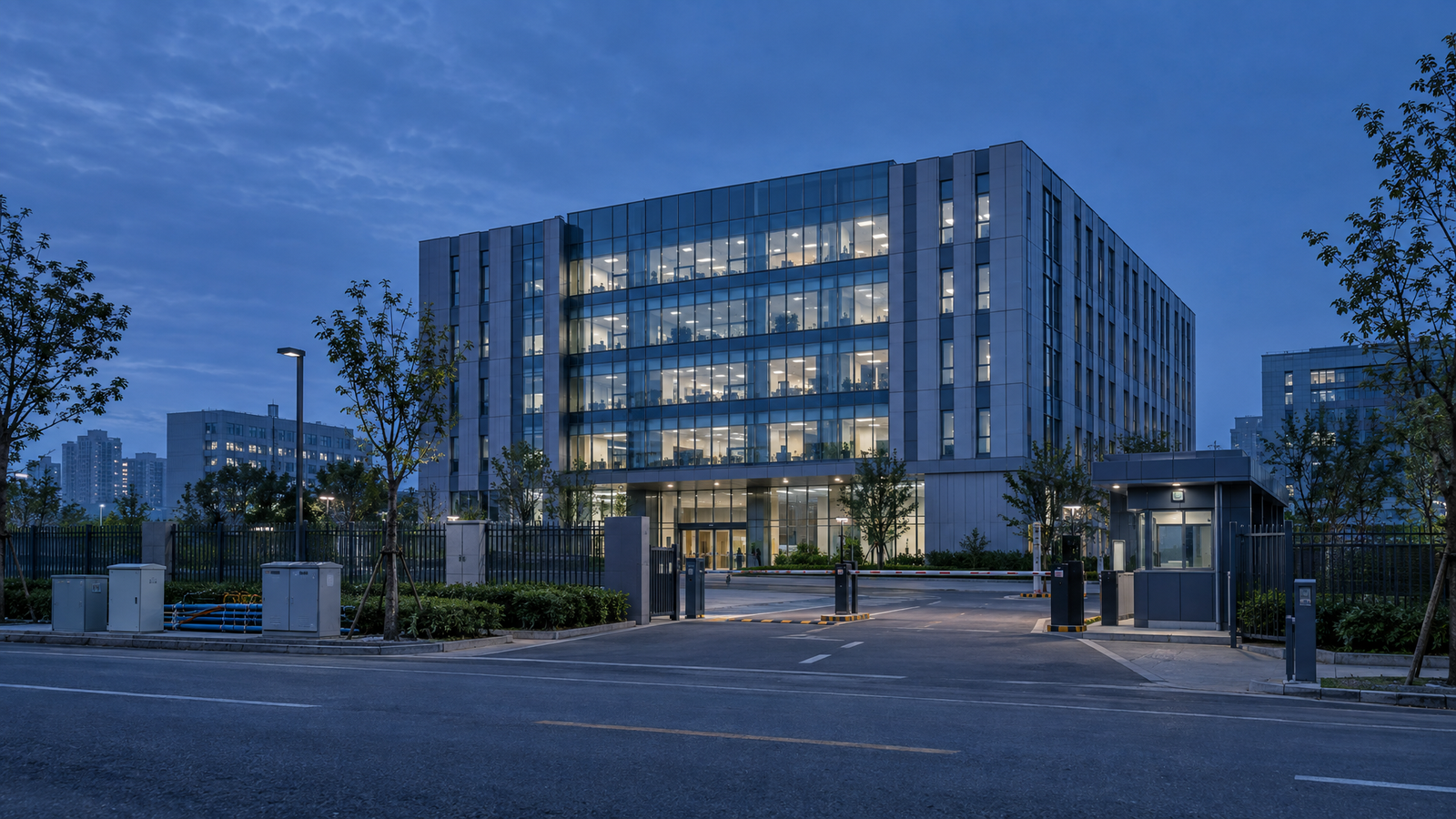
China’s reported probe into DeepSeek and Moonshot AI points to a shift in AI governance. The strategic issue is moving from chips toward control over prompts, outputs, and cross-border model flows.
-
NVIDIA’s DSX Ready Program Extends Its AI Factory Reach Into Power and Cooling
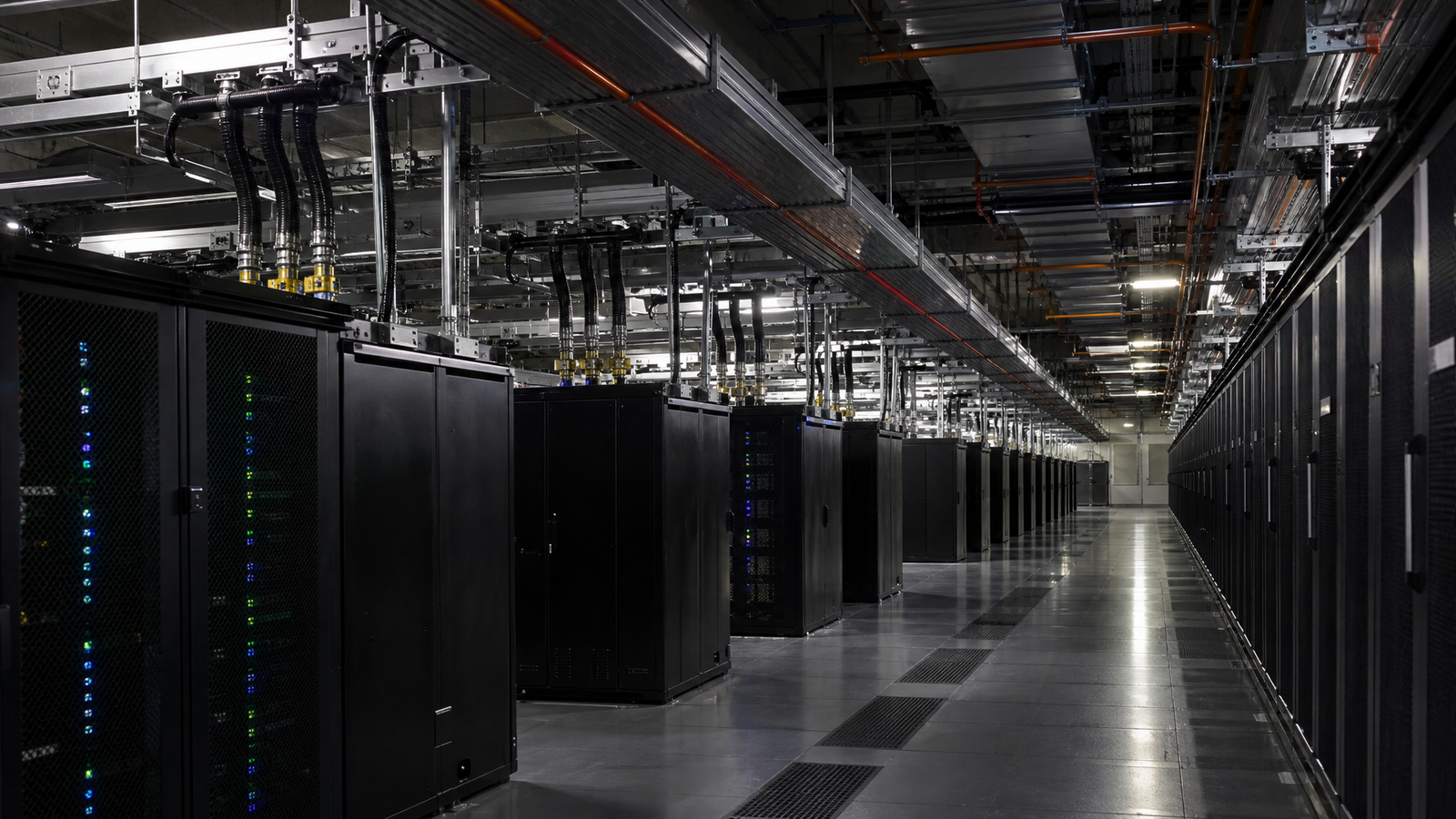
NVIDIA’s DSX Ready could extend its influence from AI chips into the power and cooling systems that now constrain AI factory deployment. The shift may affect supplier selection across adjacent infrastructure layers, including Korean industrial players.
-
Huawei’s Ascend 960 Roadmap Points to a Systems-Level AI Compute Push in China
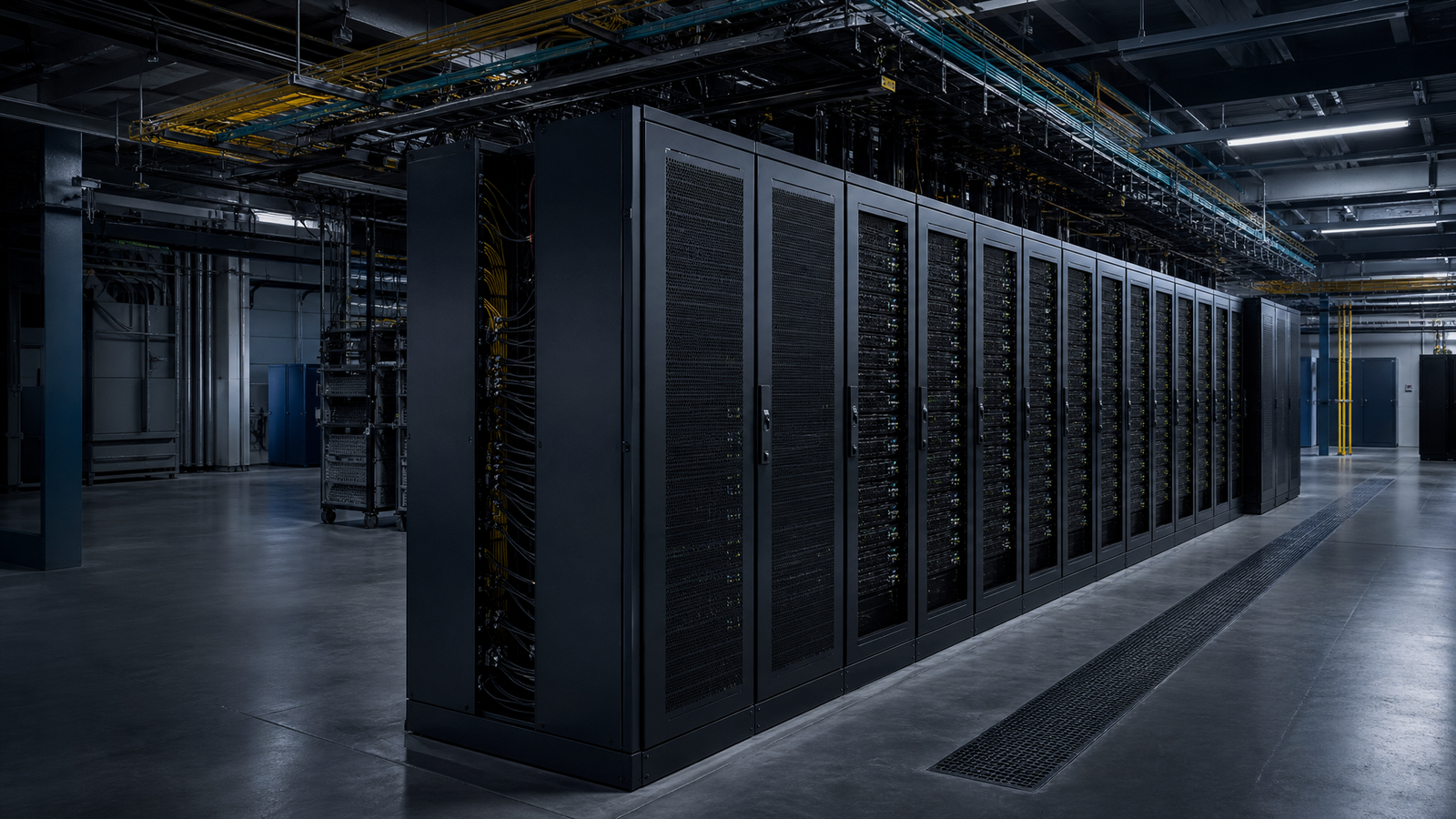
Huawei’s latest AI signal is less about a single chip and more about a full-stack infrastructure strategy. The article highlights how Ascend, optics, and clustered systems could help China narrow AI gaps without clear chip leadership.
-
Agentic AI Could Rebalance Data Center Chip Demand Toward CPUs
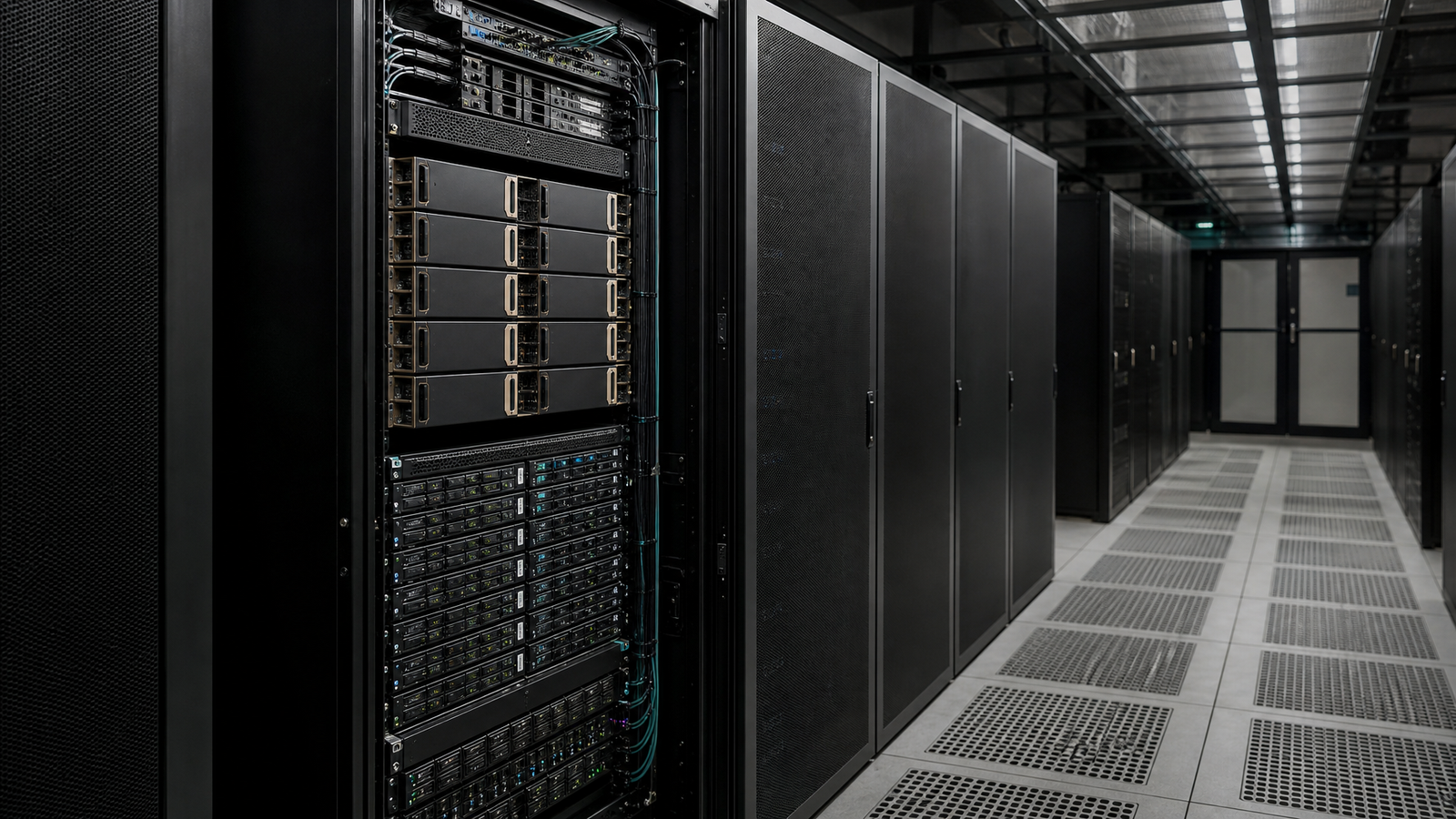
Agentic AI may shift some AI execution work back toward CPUs, even as GPUs remain central for model training. If that compute mix change scales, it could reshape server design, capex planning, and Asia supply chains.