Latest posts
-
IC Substrate Bottleneck: Unimicron’s Warning Points to a Structural Constraint on AI Infrastructure Growth
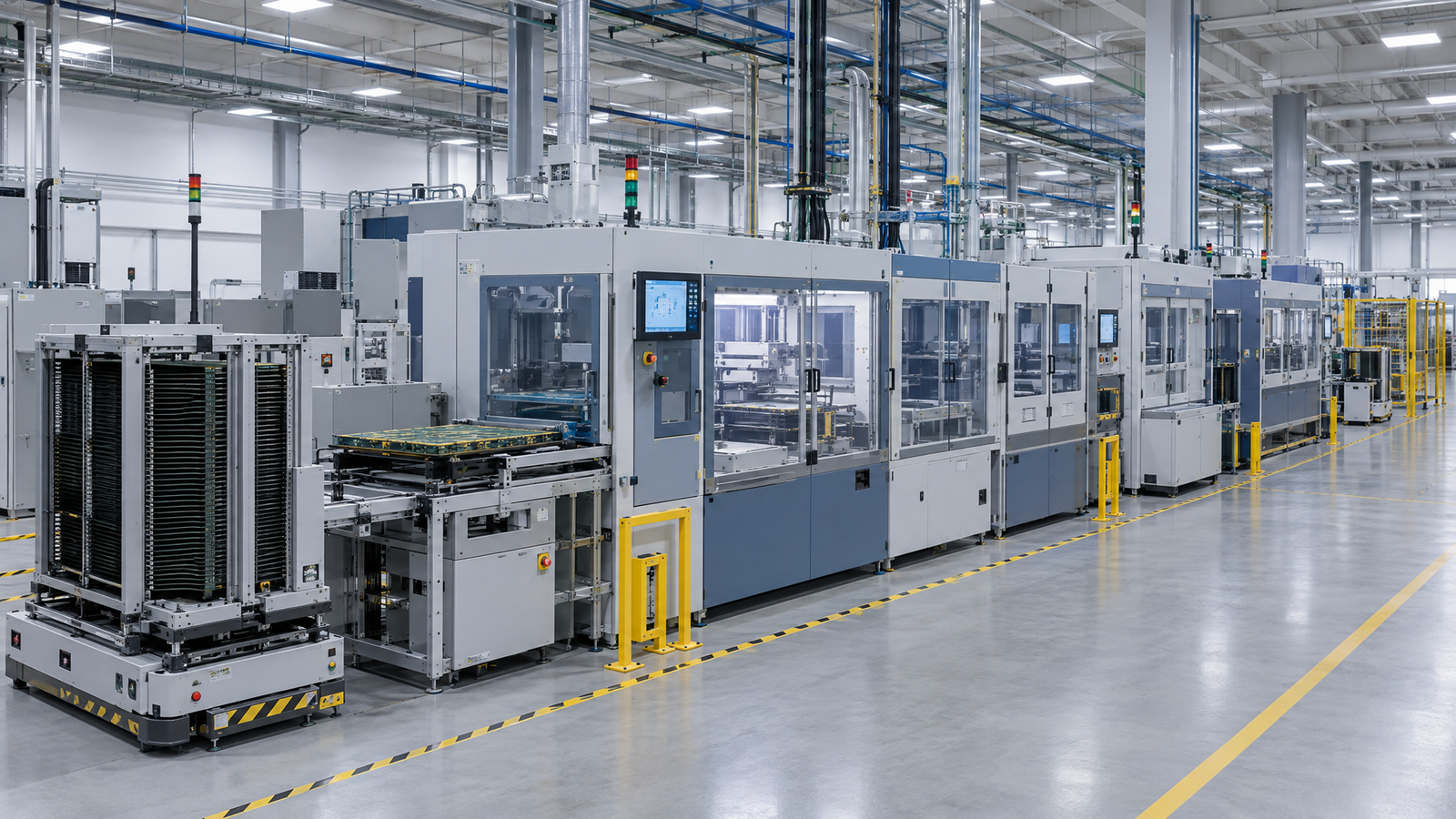
Unimicron’s warning suggests the next AI bottleneck may come from IC substrates and packaging materials, not just chip fabrication capacity.
-
China’s Proposed AI Export Controls Reach Beyond Chips to Design IP and Compute Infrastructure
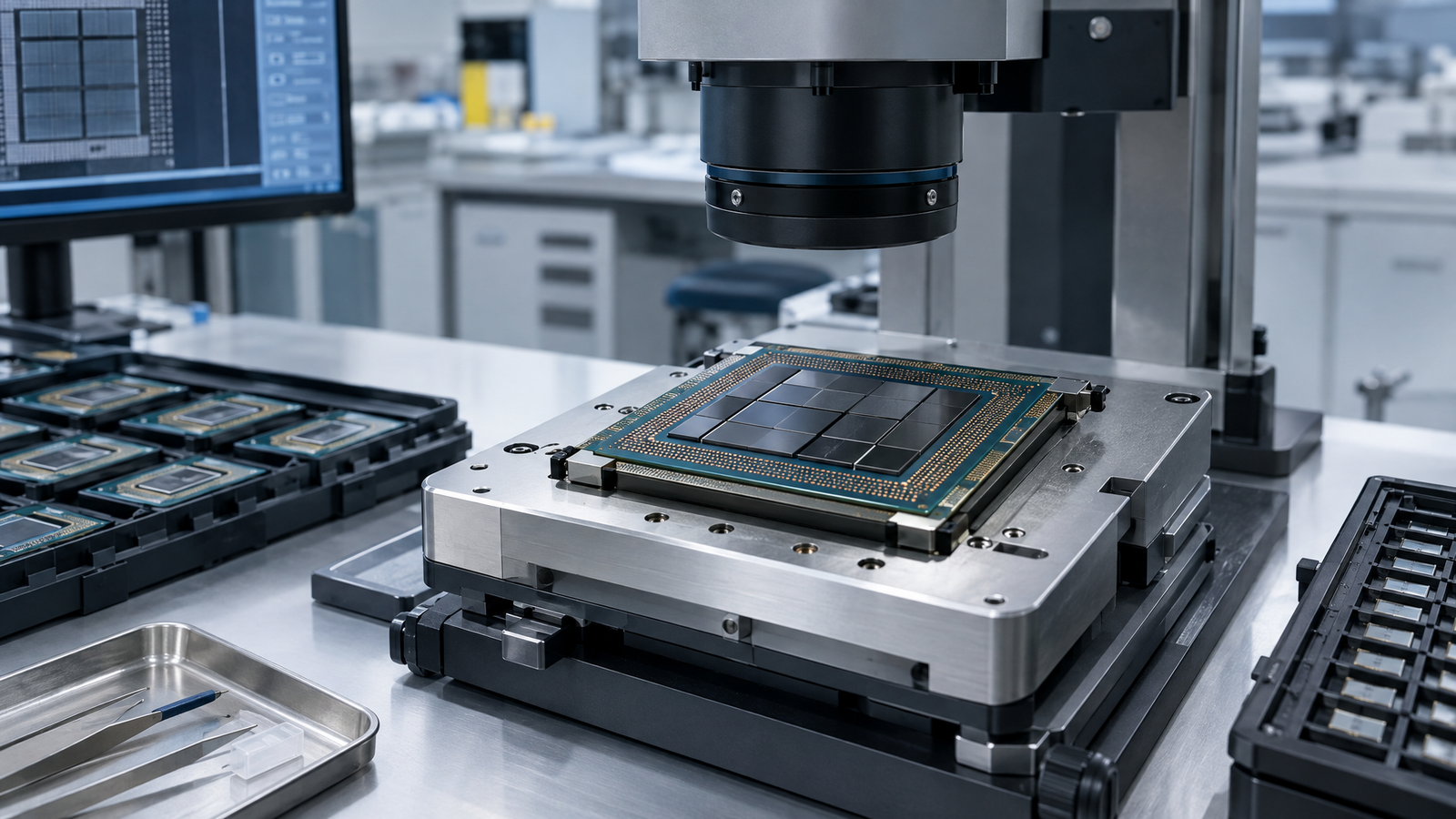
China’s proposed export control framework may signal a shift from physical chips to the broader AI compute stack. The strategic risk is deeper fragmentation across Asia’s semiconductor and AI ecosystems.
-
US Battery Storage Import Restrictions Expose a New Chokepoint in Power Infrastructure
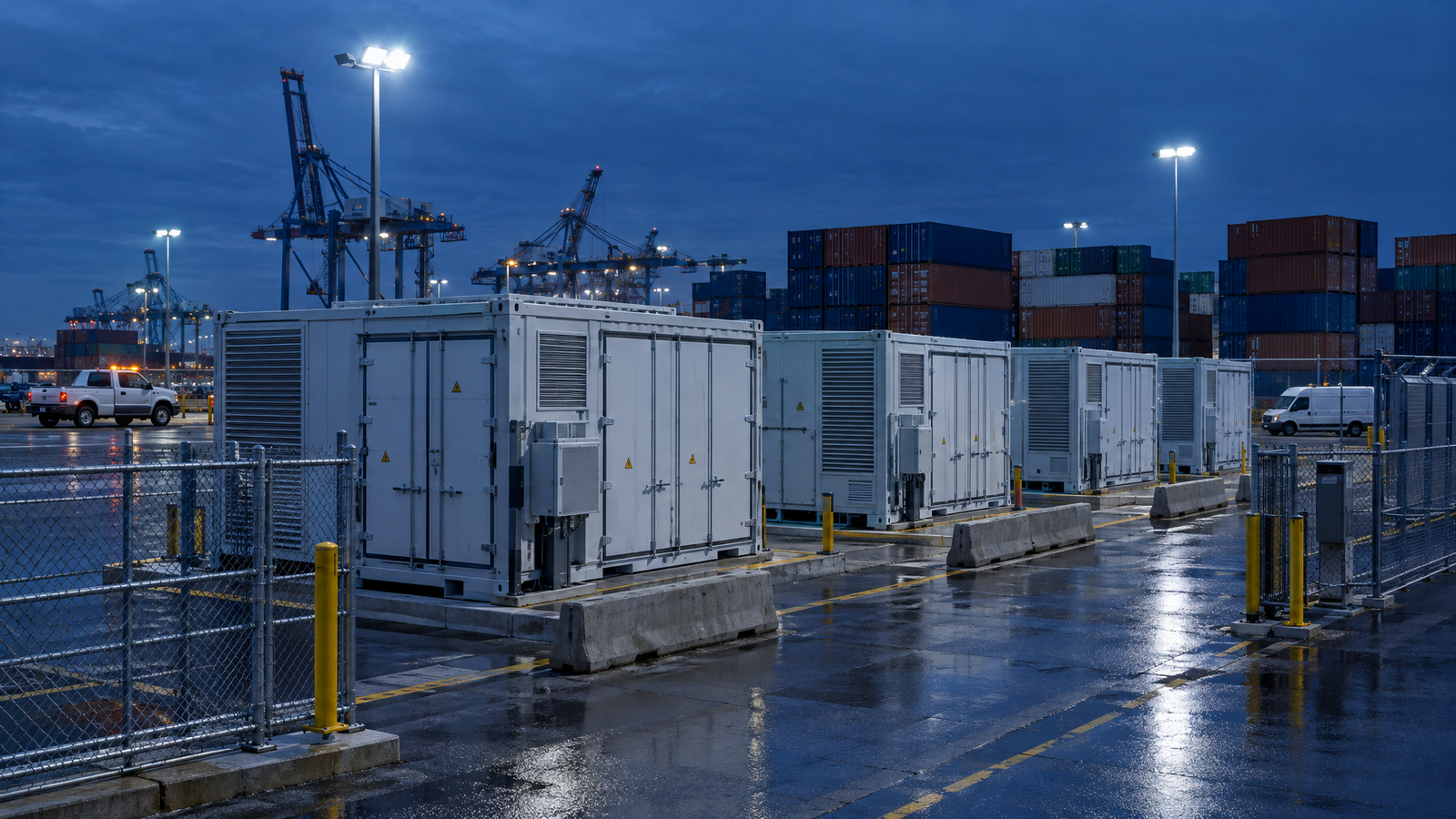
US battery import restrictions may be creating a hidden bottleneck for AI infrastructure. The immediate issue is not confirmed datacenter delays, but rising uncertainty across the power layer behind grid upgrades and future compute buildouts.
-
Samsung’s Reported Use of TSMC 3nm for Nvidia HBM Base Die Signals a New AI Supply-Chain Pattern

Samsung may be entering Nvidia’s HBM supply chain through TSMC, not against it. If confirmed, the move suggests AI memory is becoming more modular and less vertically integrated.
-
Taiwan’s NT$6.95 Trillion Investment Record Shows AI Demand’s Grip on Hardware Supply Chains
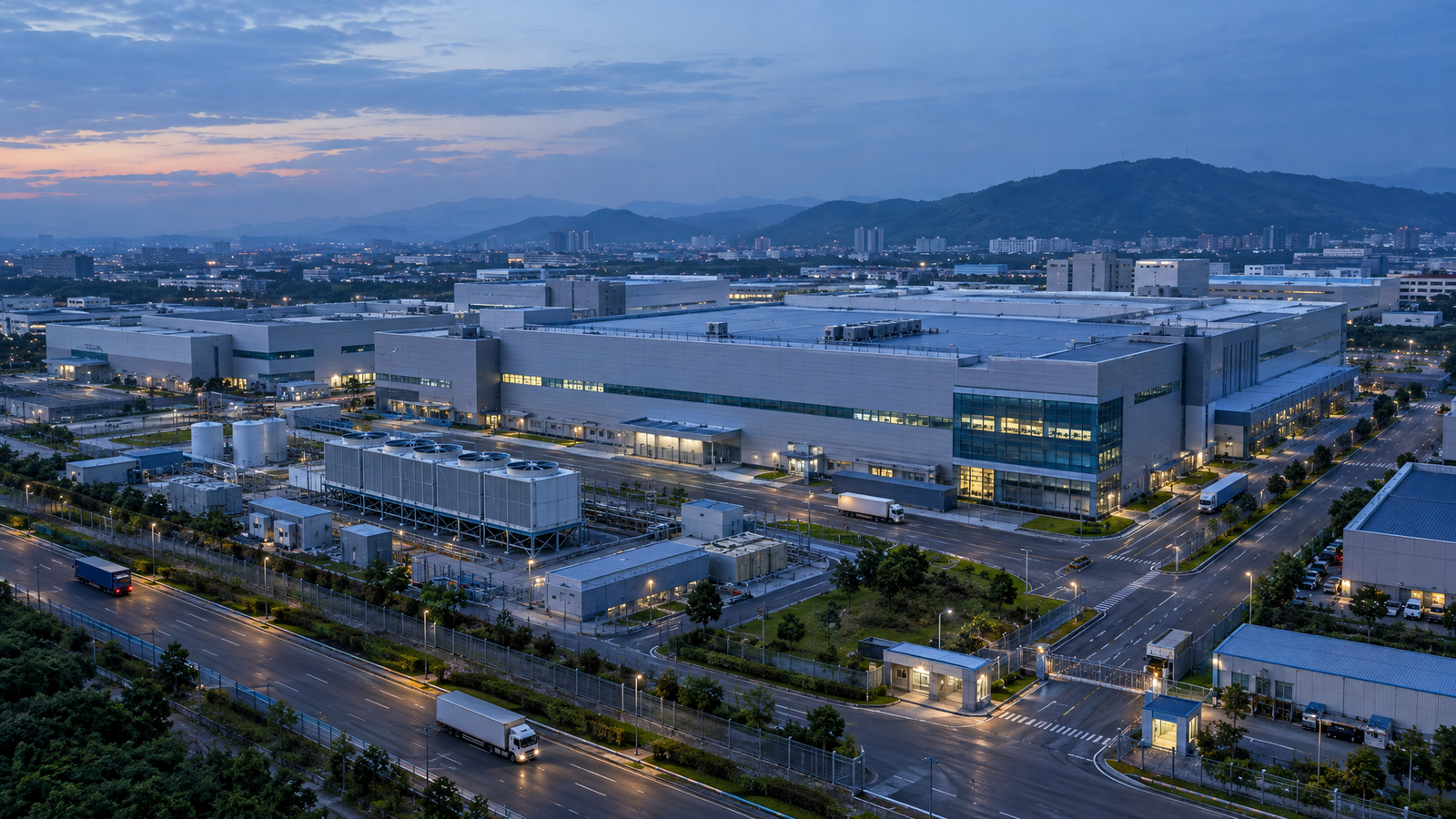
Taiwan’s private-sector investment commitments reached a record NT$6.95 trillion, reflecting hyperscaler-driven AI demand. The upside is scale across a critical hardware base; the risk is deeper global dependence on Taiwan.
-
TSMC’s Texas Review Highlights the Real Constraint in Semiconductor Reshoring

TSMC’s Texas review is less about location than operating control. If its technology is used, TSMC wants to run the fab itself, underscoring how reshoring can add capacity without shifting strategic authority.
-
Taiwan Tightens AI Chip Export Enforcement With Criminal Penalties for Smuggling to China
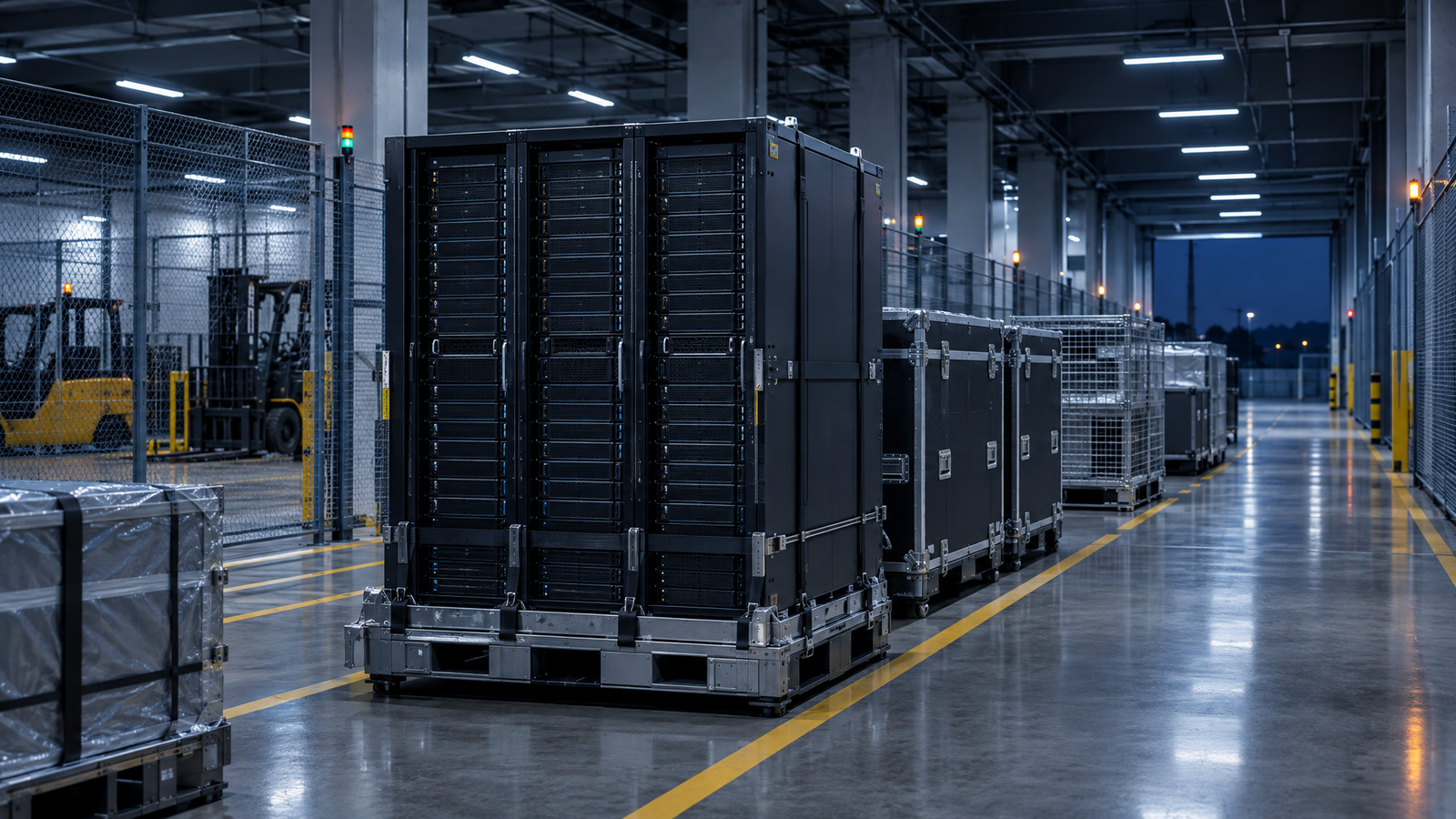
Taiwan’s reported Foreign Trade Act update could move AI export enforcement from chips to complete systems. The result may be stronger controls on routing, documentation, and delivery across Asia’s supply chain.
-
China Signals Tighter Control Over AI and Chip Design Exports

China’s draft export-control update suggests Beijing is moving to treat AI models and chip design IP as strategic state-controlled assets, not just commercial exports. The shift could narrow cross-border technology flows and reshape regional supply chains.
-
China’s EV Supply Chains Become a Launchpad for Humanoid Robotics
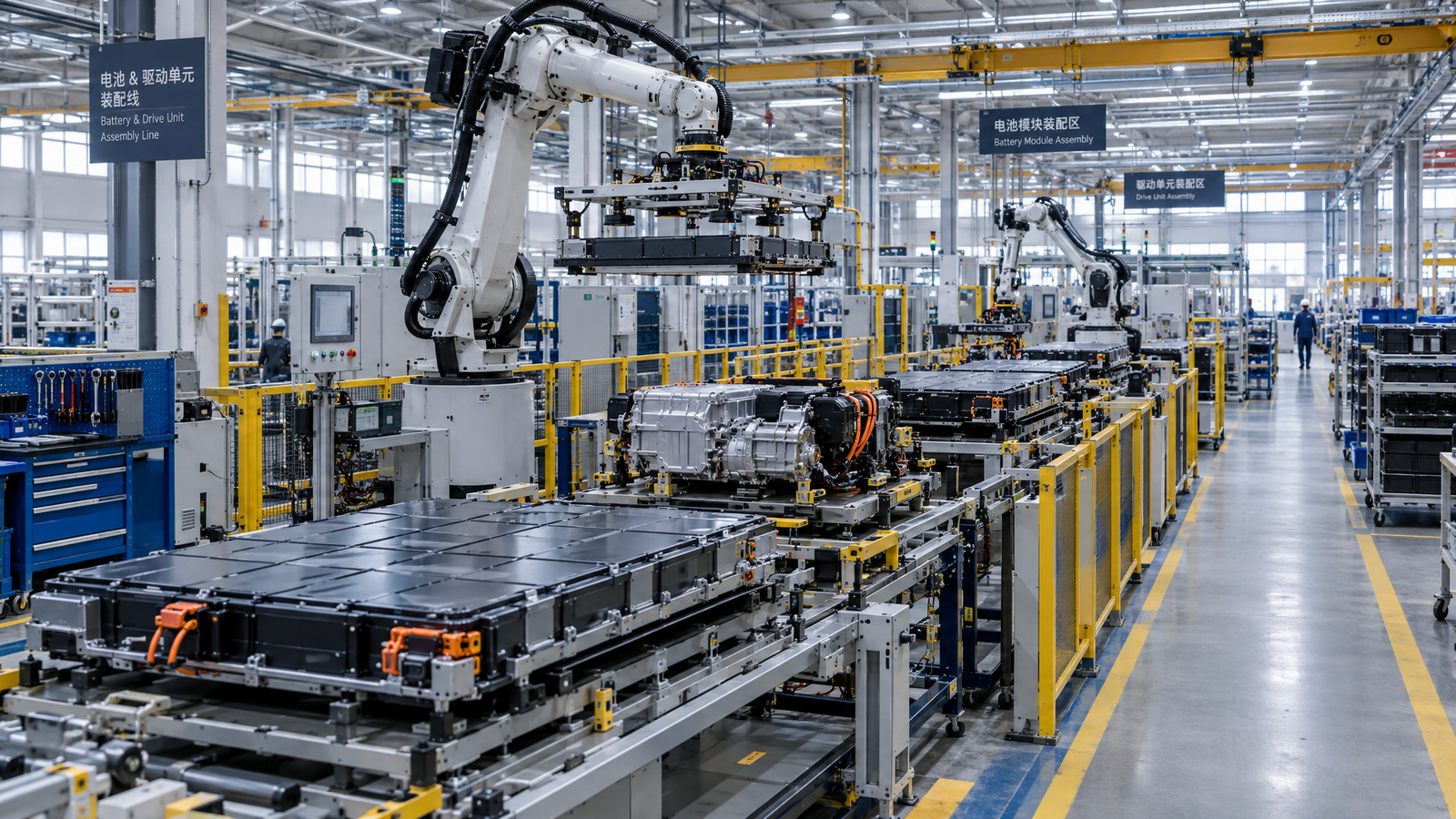
China’s EV manufacturing base may be becoming enabling infrastructure for industrial humanoid robotics. DIGITIMES reports about 60% overlap between EV and humanoid robot supply chains, pointing to a structural advantage in manufacturing depth and component reuse.
-
Taiwan Moves to Cluster Semiconductor Suppliers in the US With Planned Industrial Parks

Taiwan’s reported Texas industrial park plan may be more than a land story. It could be an attempt to export the island’s semiconductor supplier cluster model while testing whether US localization can gain a denser vendor ecosystem.