Latest posts
-
Mature Nodes, New Chokepoints: What the Reported TSMC-GlobalFoundries Interposer Deal Signals for AI Packaging and China
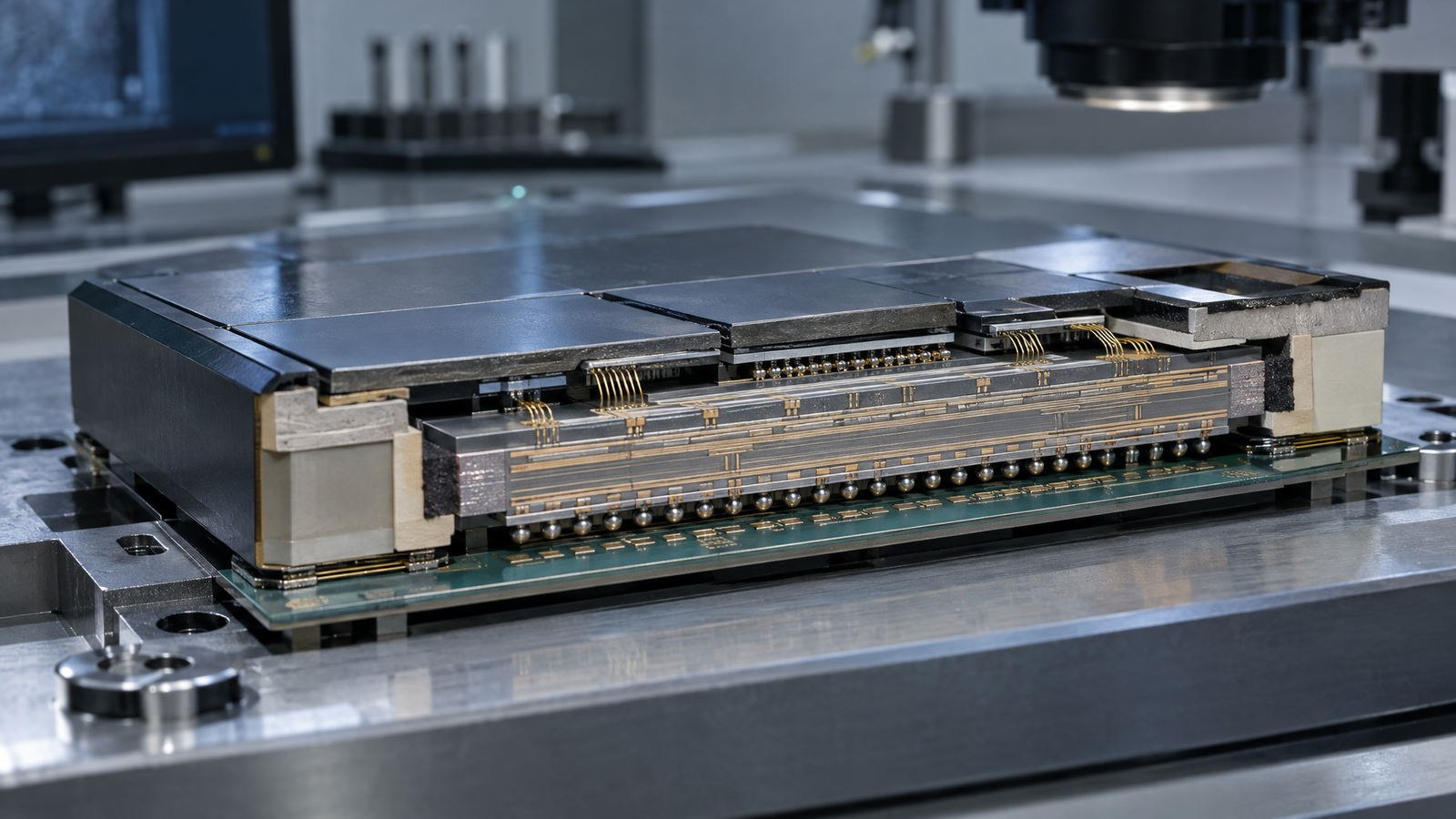
The reported TSMC-GlobalFoundries interposer deal suggests mature-node packaging inputs could become a critical AI chokepoint. That could lift the strategic value of legacy fabs while shifting supply-chain and geopolitical risk deeper into the packaging stack.
-
Japan Backs TSMC’s 3nm Kumamoto Expansion With Potential $4.1 Billion Subsidy Support
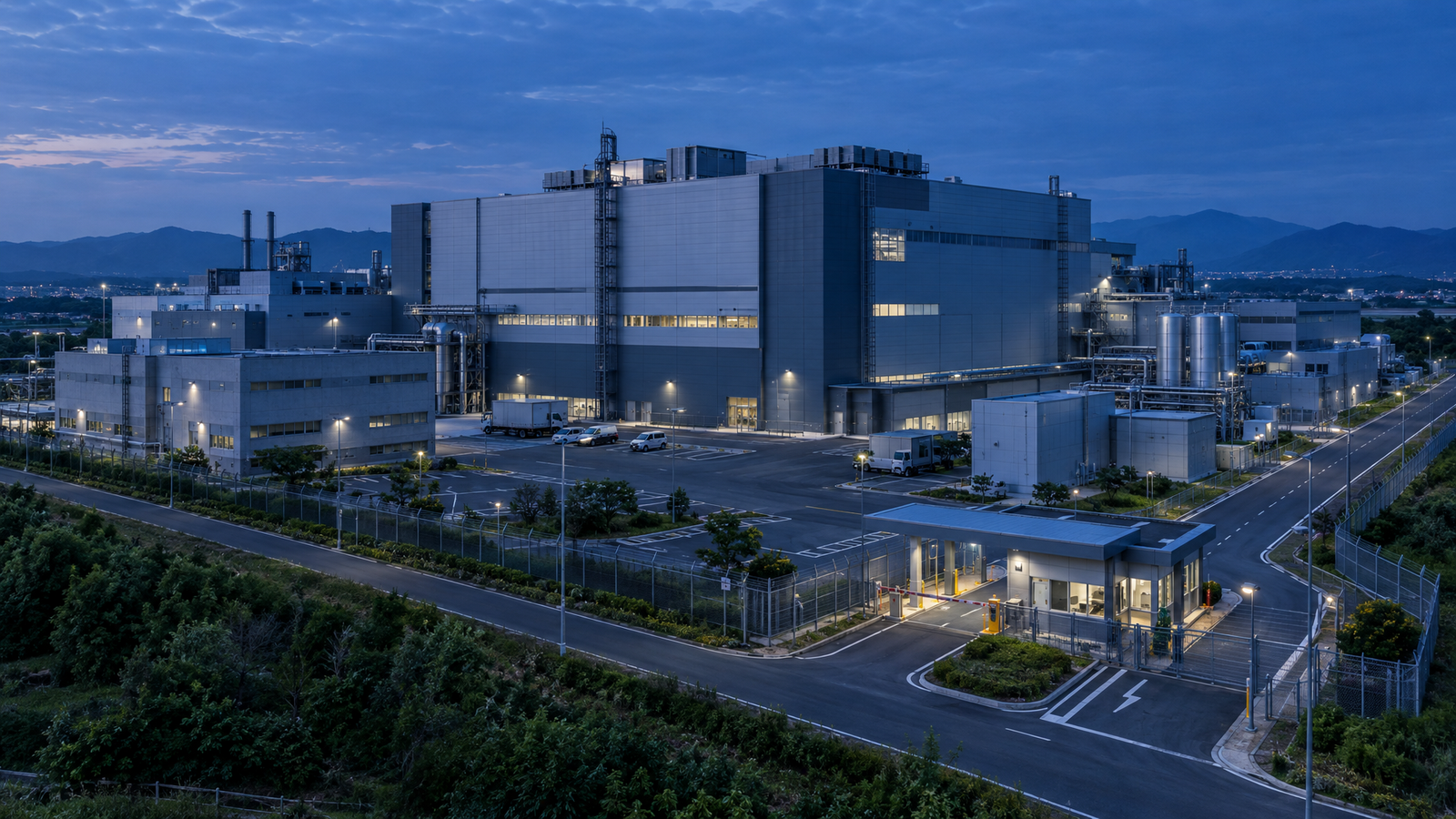
Japan’s approval of TSMC’s reported 3nm Kumamoto expansion is a strategic signal that advanced semiconductor capacity in Asia is increasingly being shaped by state-backed capital support.
-
China’s Local Guidance Funds Signal a Patient-Capital Turn for Semiconductors

China’s guidance-fund reform may matter less for how much state capital exists than for whether that capital can finally tolerate semiconductor timelines. The strategic shift could support longer-cycle chip investment, but execution remains uncertain.
-
Power Before Capital: How Grid Readiness Is Shaping AI Infrastructure Capital in Asia
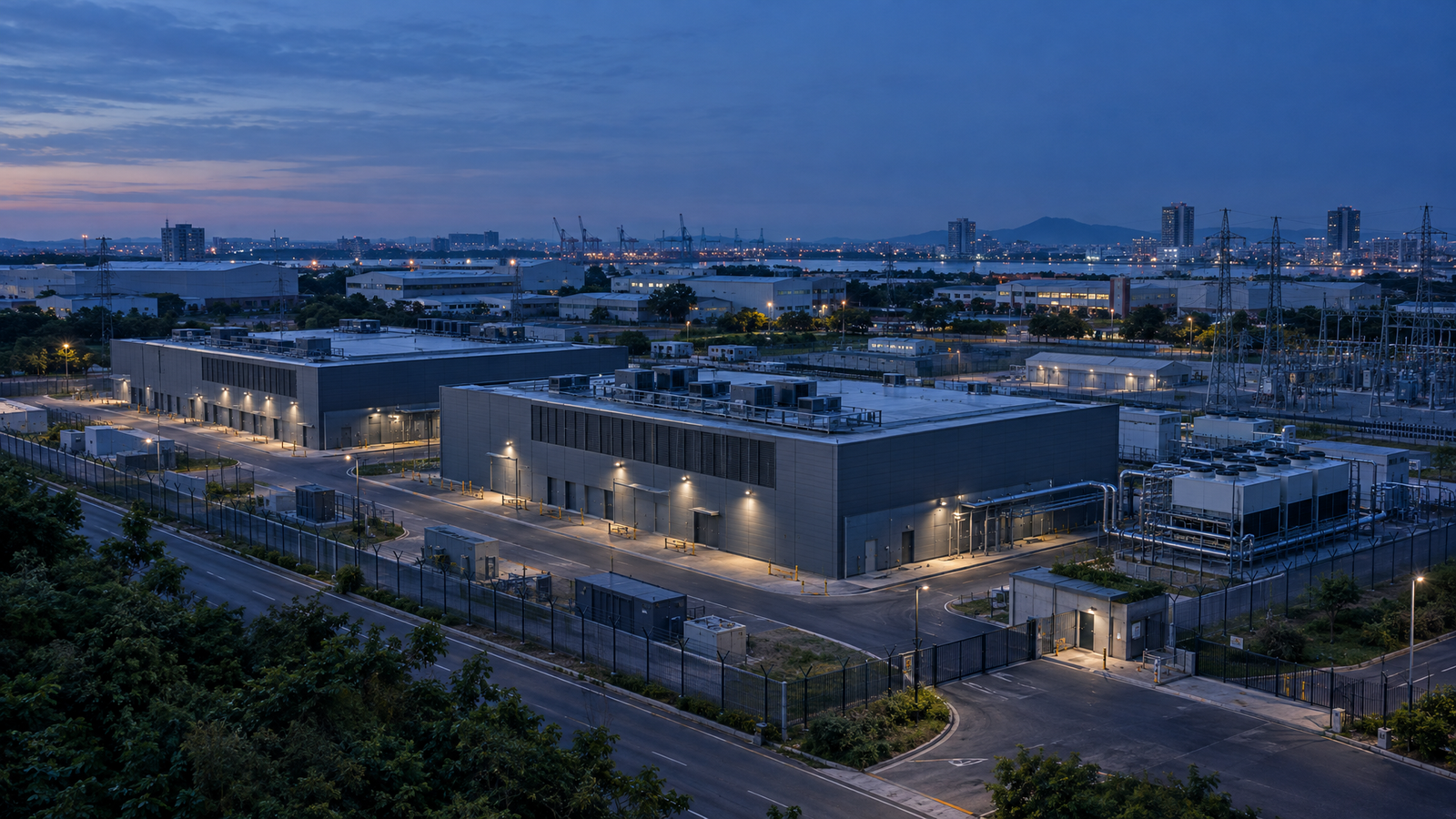
APAC AI infrastructure capital is increasingly screened by power readiness and regulatory clarity, not just demand. Markets that can align energy planning with approvals may win deployment; those that cannot risk losing capital despite strong demand.
-
AI-Defined Fabs: Nvidia and Semiconductor Leaders Push AI Into Chip Design and Manufacturing
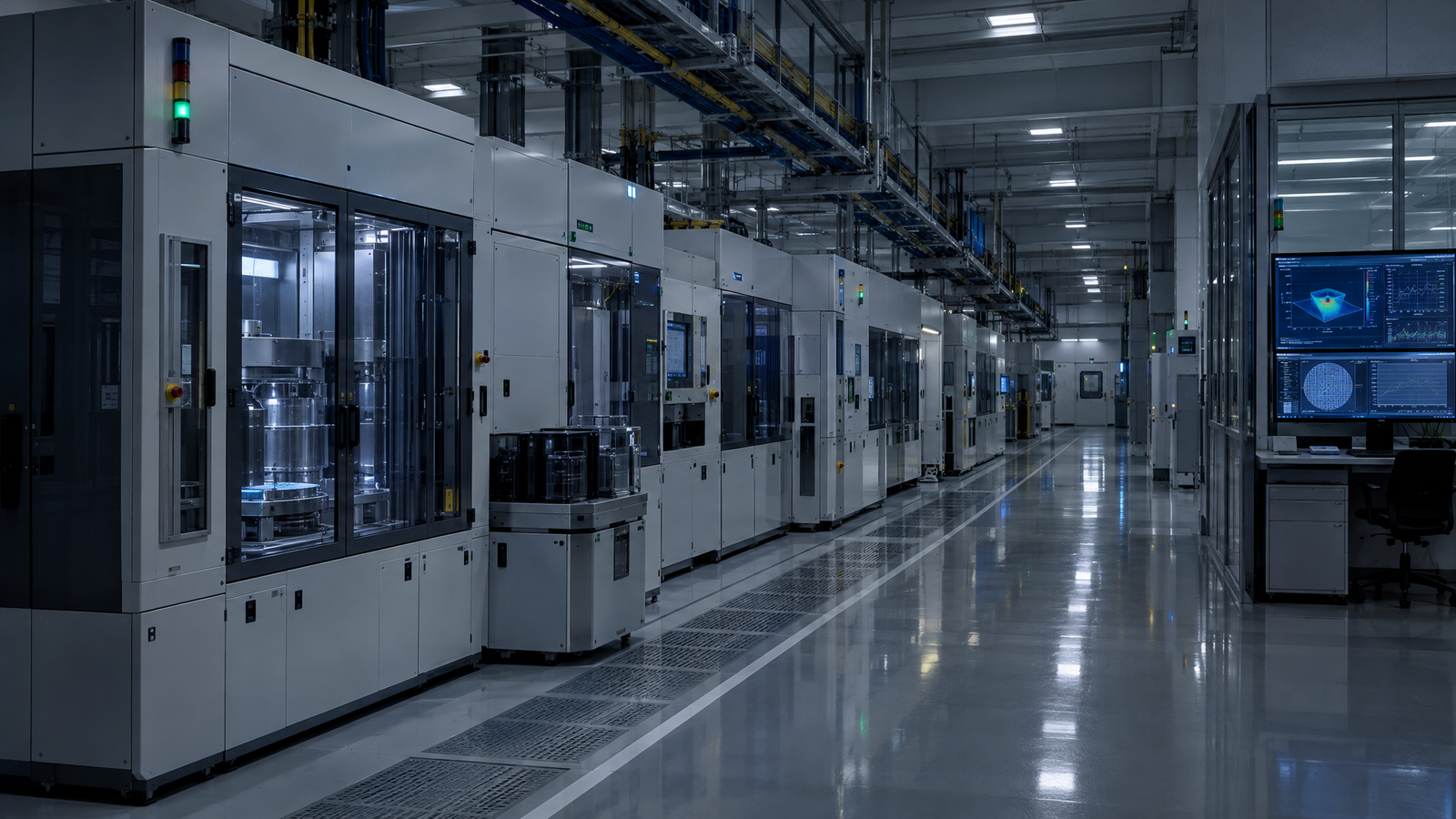
Nvidia’s latest collaboration signals a push to bring AI deeper into semiconductor design and manufacturing workflows. The key question is whether those tools can prove themselves inside East Asia’s real fabs.
-
TSMC’s Record Q3 Profit Highlights Taiwan’s Central Role in the AI Compute Supply Chain
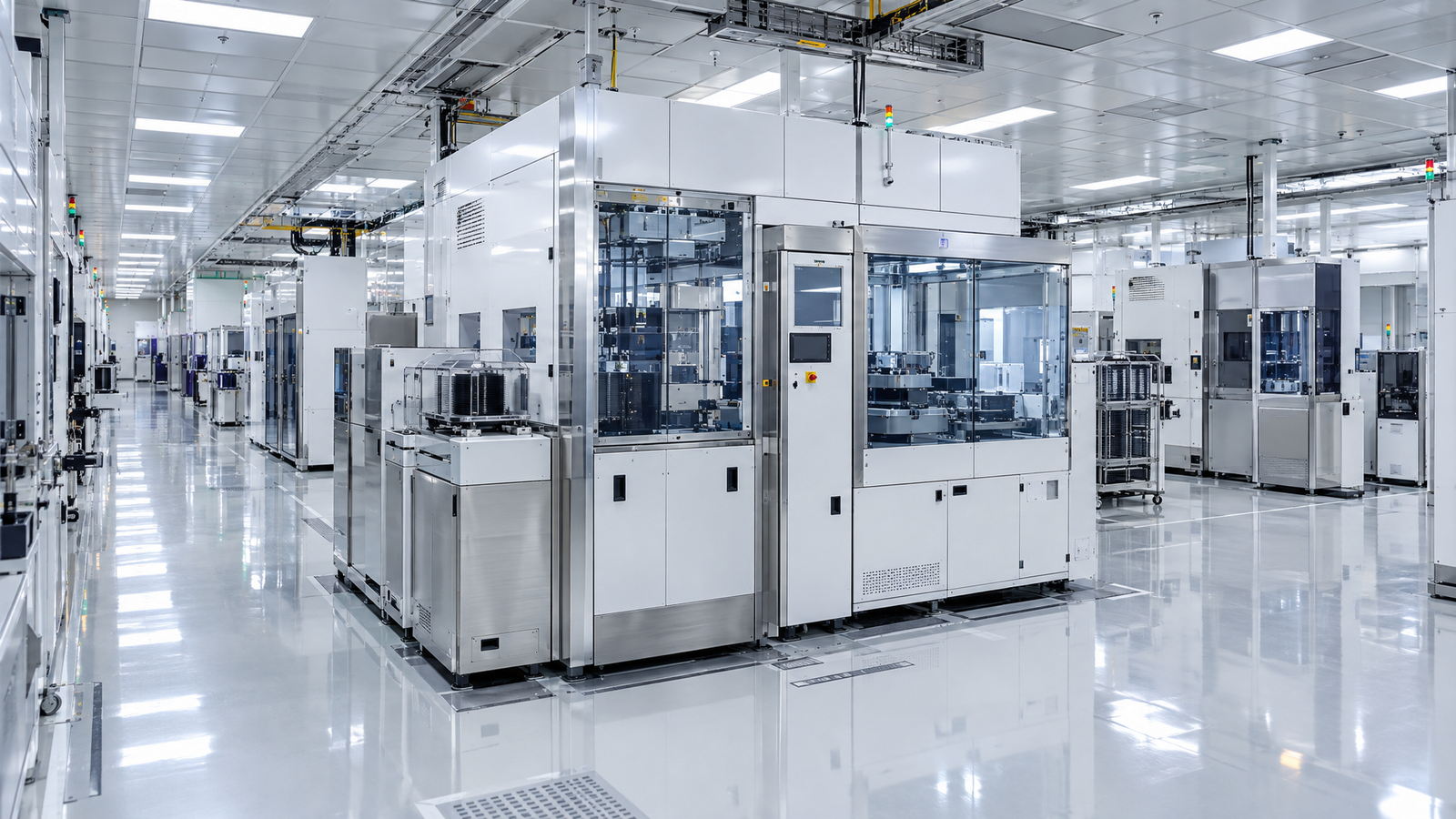
TSMC’s record quarter suggests AI demand is translating into real advanced-node manufacturing output, not just earnings momentum. The result reinforces Taiwan’s strategic importance and the concentration risk in the global AI hardware stack.
-
IMF Warning Recasts Debt-Fueled AI Infrastructure as a Macro Risk for Asia
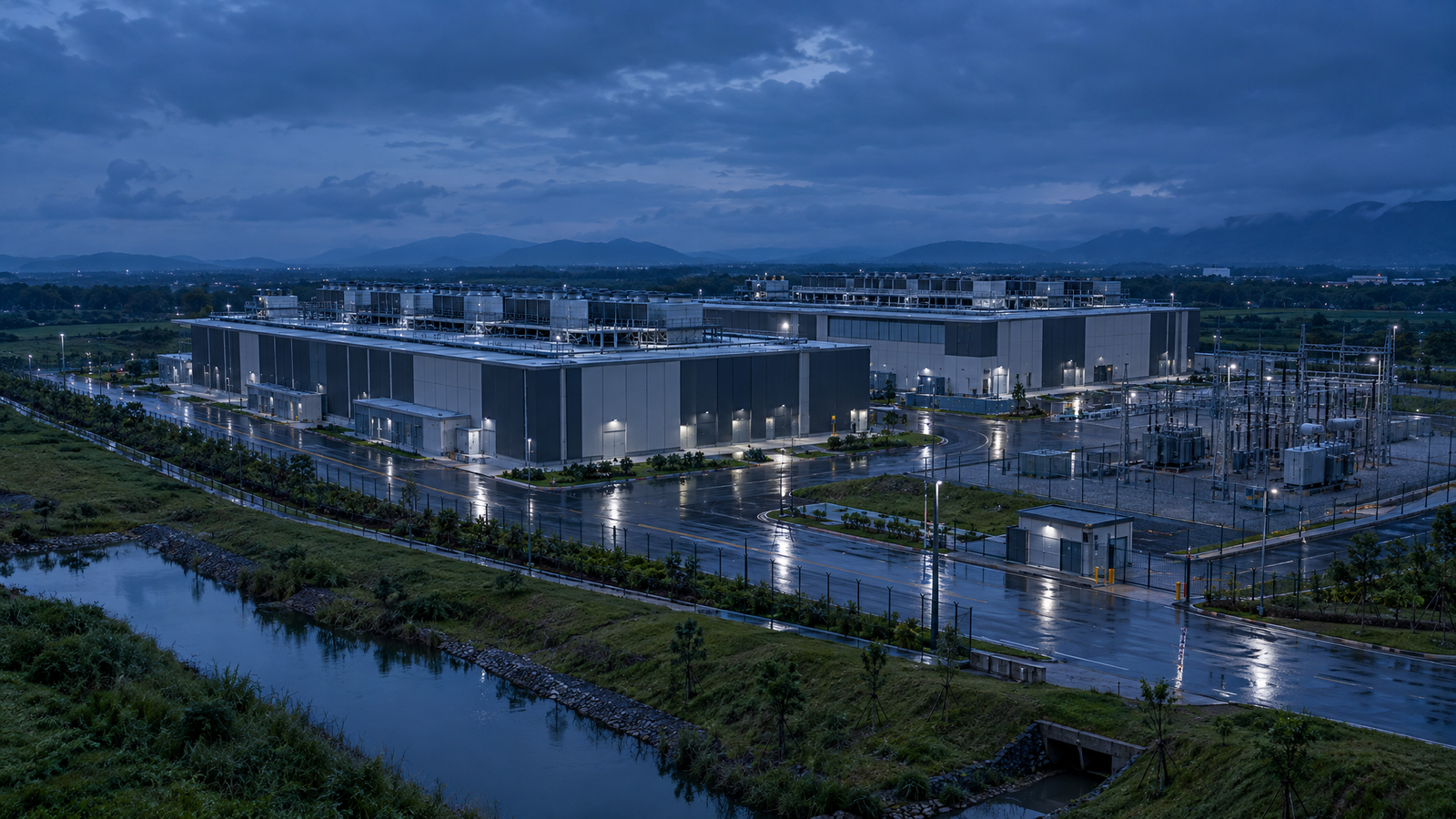
The IMF is reportedly reframing AI infrastructure spending as a financial stability issue, not just a growth story. For Asia, debt-funded AI buildout could sharpen divergence across tech hubs and supply chains.
-
JLL Study Points to Structural Industrial Expansion in India and Southeast Asia
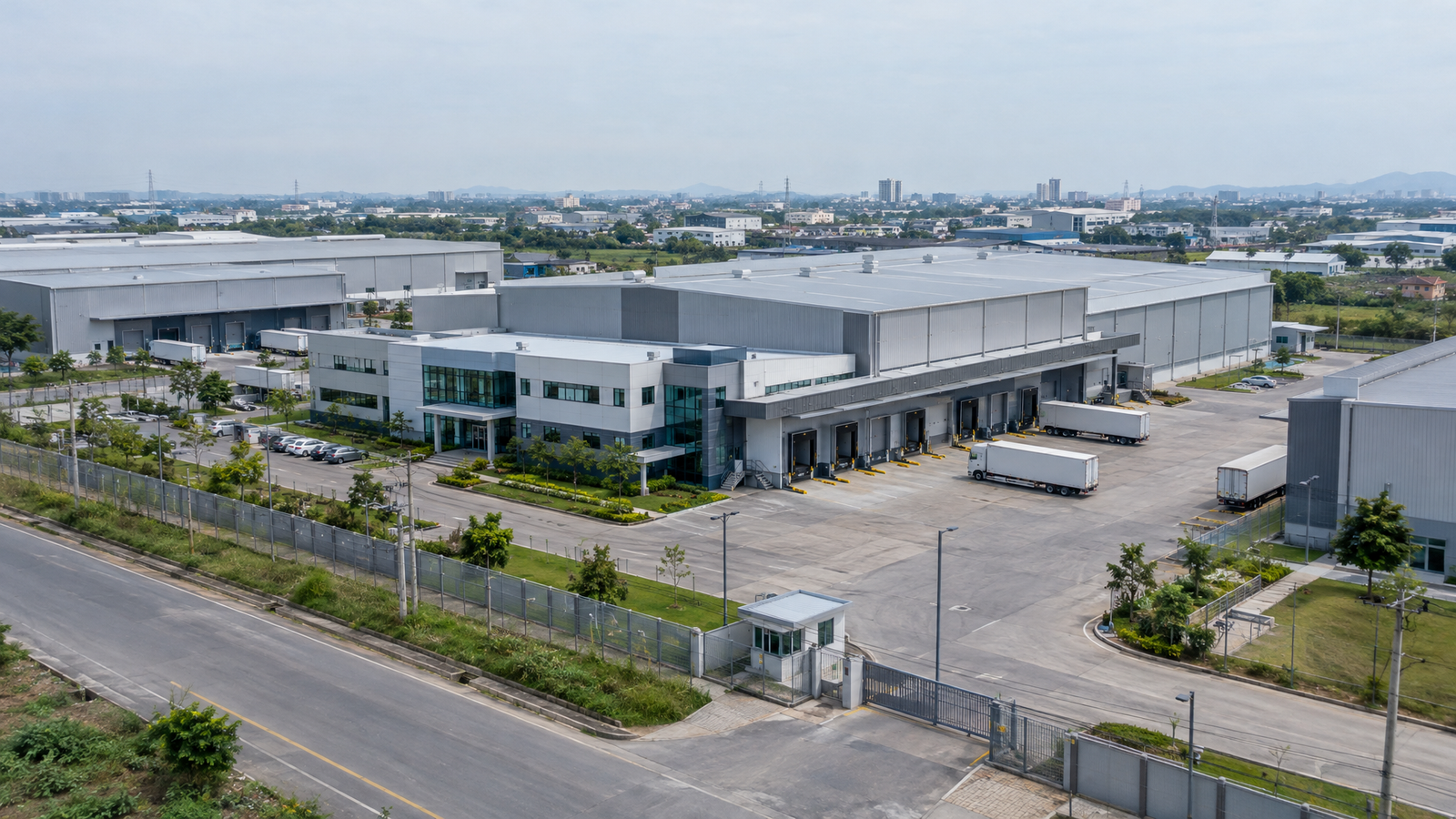
Rising industrial real estate demand in India and Southeast Asia suggests supply chain diversification is moving from planning into execution. The signal matters because factory and logistics footprints are harder to reverse.
-
AI Memory Boom Pushes Smartphones Into a Premium-First Reset

AI data-center demand may already be reshaping smartphone strategy by tightening memory supply and pushing OEMs toward premium portfolios. The shift points to stronger leverage for upstream memory suppliers and more pressure on lower-tier devices.
-
NTT Data and Anthropic Weigh 500MW Japan Data Center as Asia’s AI Infrastructure Race Accelerates
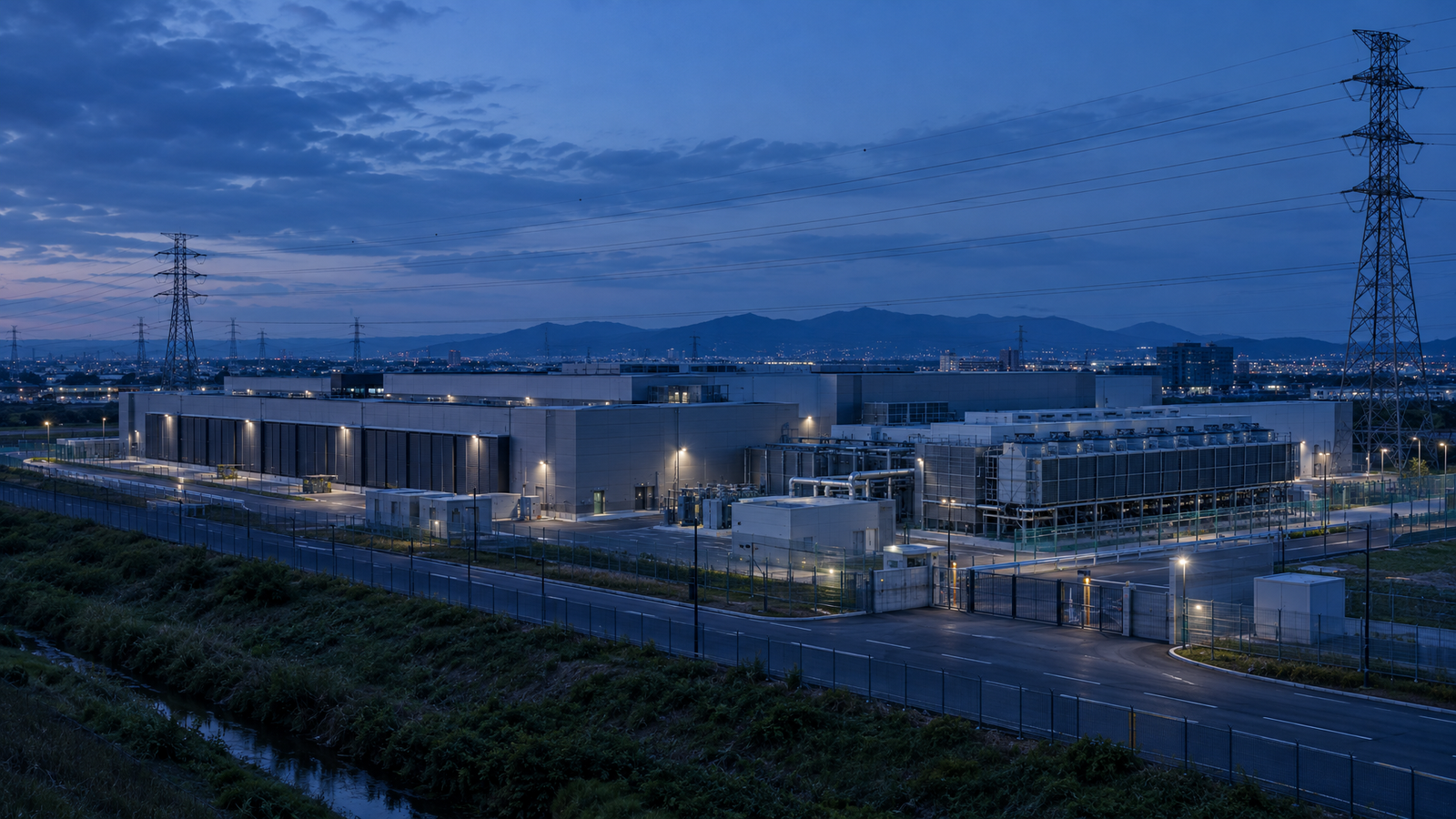
Reported NTT Data and Anthropic talks over a Japan site with up to 500MW highlight how AI competition is shifting toward power and physical infrastructure. The real test is whether electricity, land, and execution can be secured.