Latest posts
-
China’s Proposed AI Export Controls Reach Beyond Chips to Design IP and Compute Infrastructure
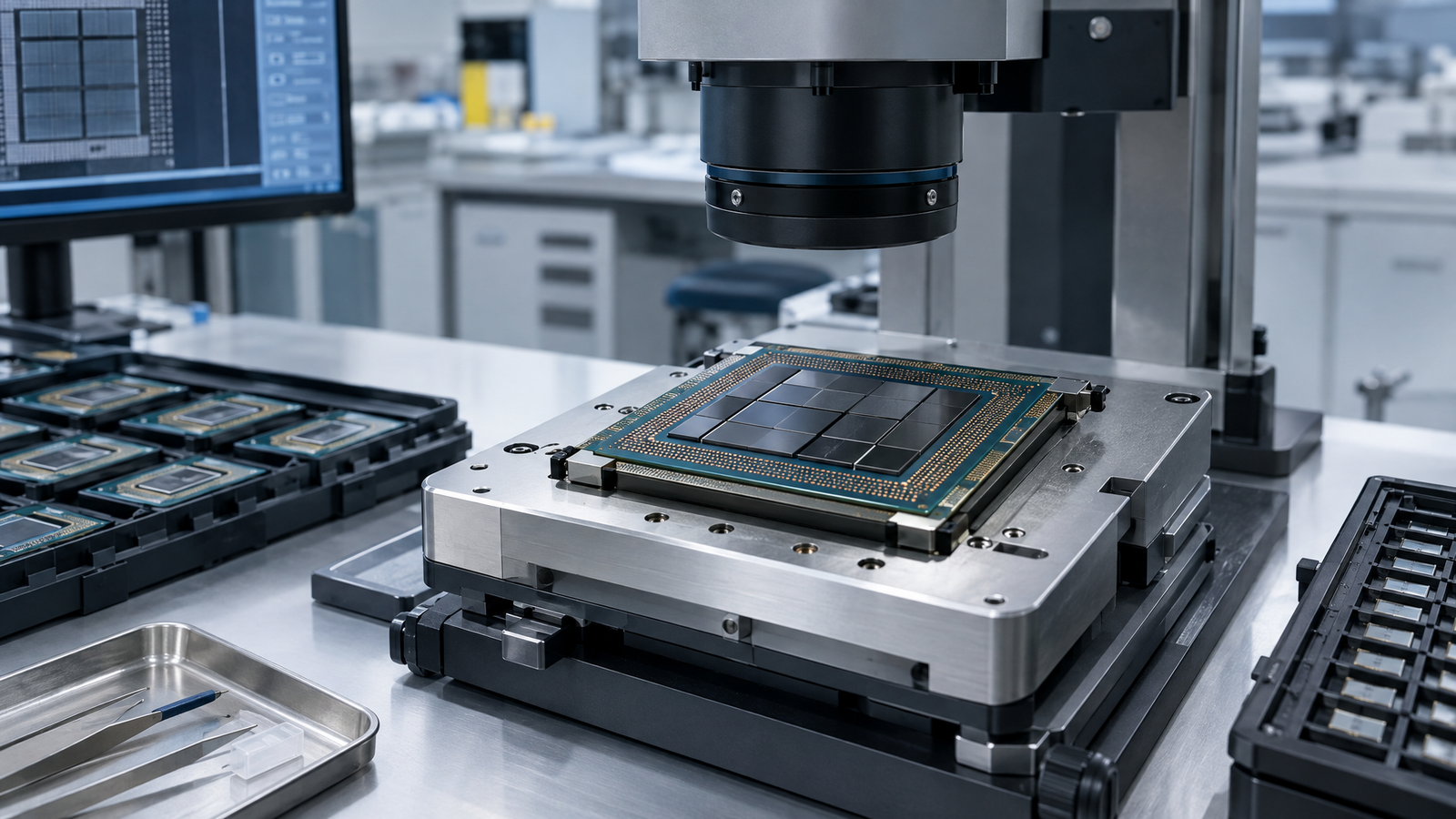
China’s proposed export control framework may signal a shift from physical chips to the broader AI compute stack. The strategic risk is deeper fragmentation across Asia’s semiconductor and AI ecosystems.
-
TSMC’s Texas Review Highlights the Real Constraint in Semiconductor Reshoring
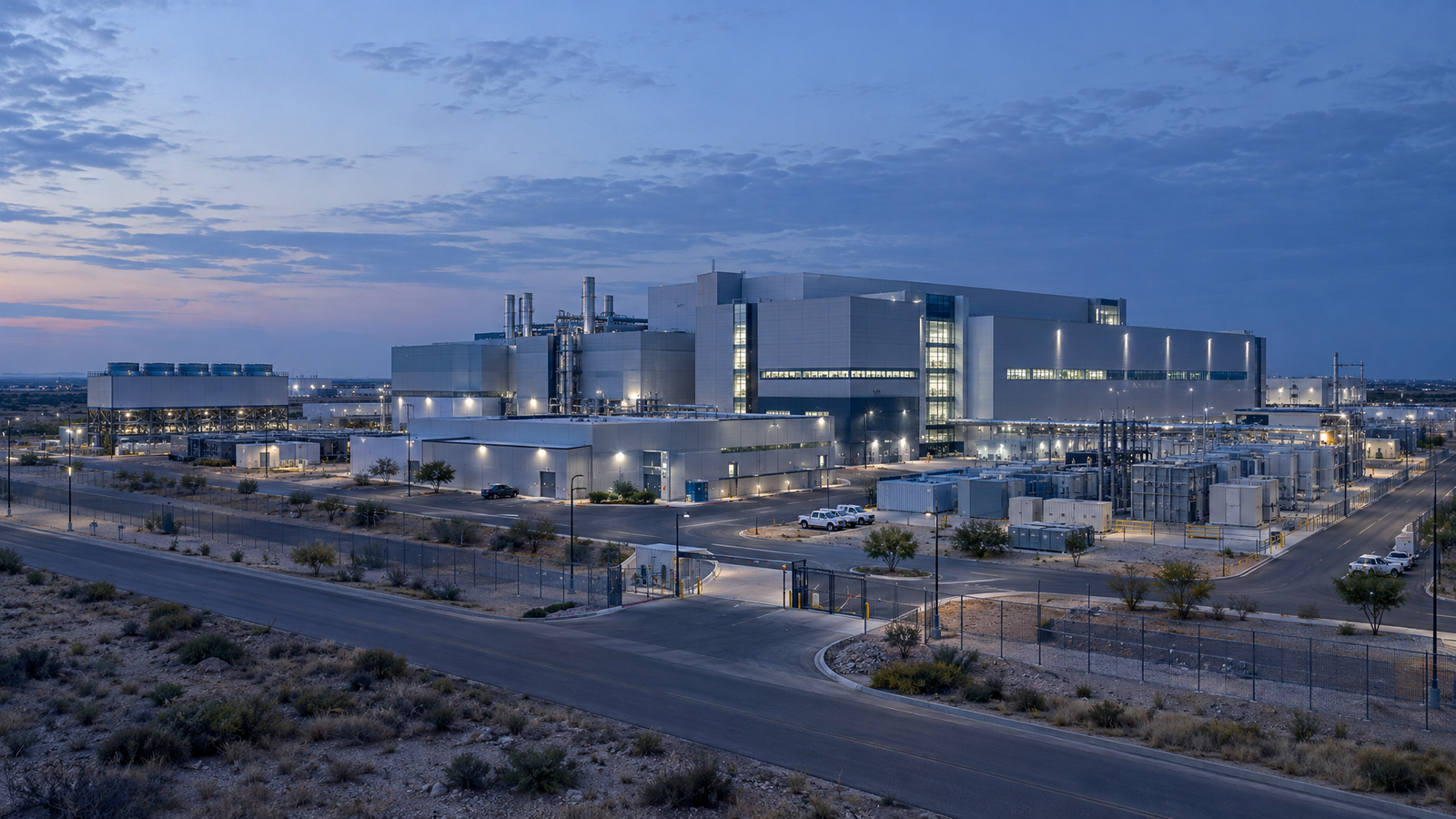
TSMC’s Texas review is less about location than operating control. If its technology is used, TSMC wants to run the fab itself, underscoring how reshoring can add capacity without shifting strategic authority.
-
Taiwan Tightens AI Chip Export Enforcement With Criminal Penalties for Smuggling to China
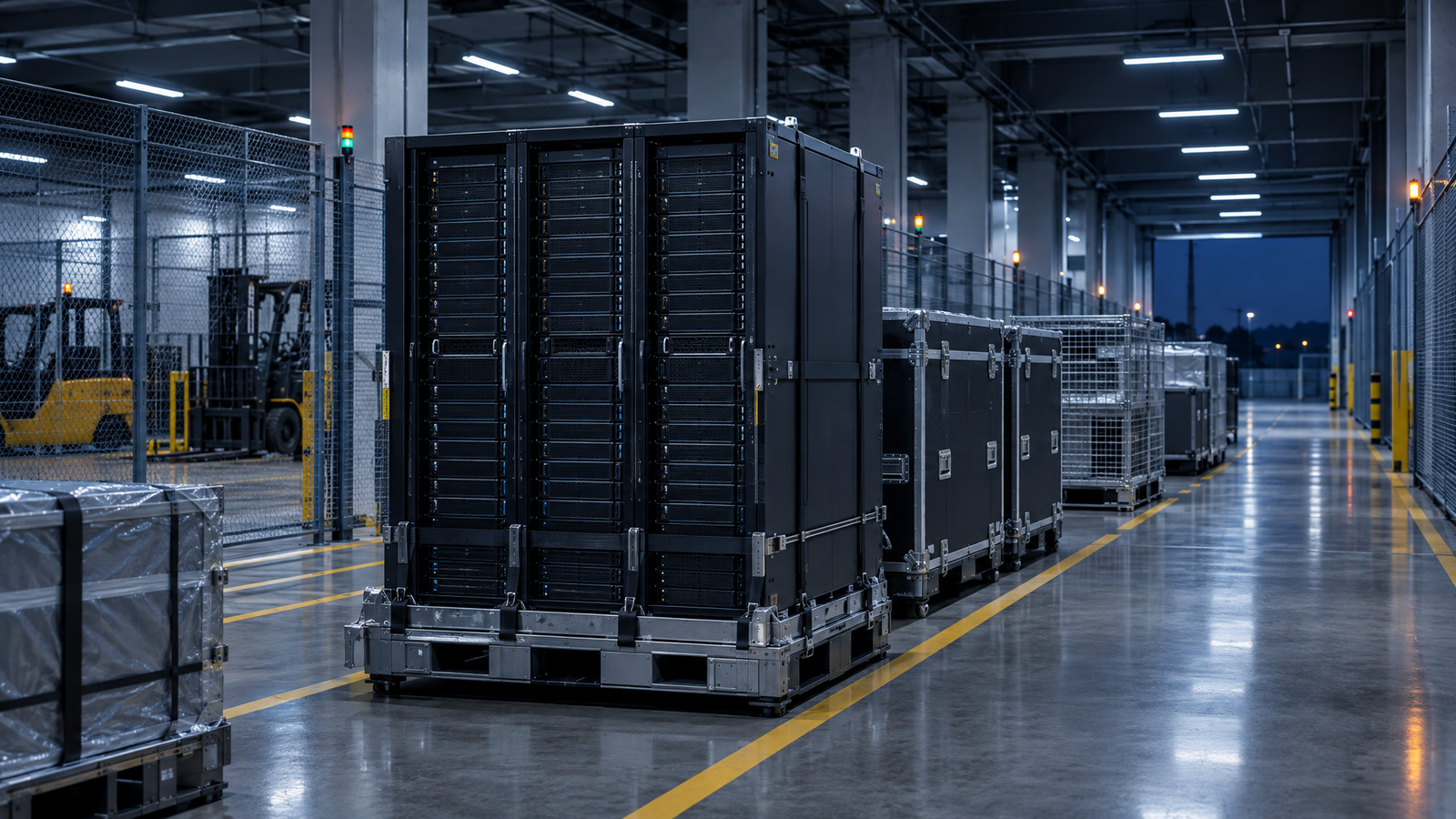
Taiwan’s reported Foreign Trade Act update could move AI export enforcement from chips to complete systems. The result may be stronger controls on routing, documentation, and delivery across Asia’s supply chain.
-
China Signals Tighter Control Over AI and Chip Design Exports

China’s draft export-control update suggests Beijing is moving to treat AI models and chip design IP as strategic state-controlled assets, not just commercial exports. The shift could narrow cross-border technology flows and reshape regional supply chains.
-
China Extends US Trade Barrier Probes on Tech Controls and Green Products to December 2026

China has extended investigations into US tech export controls and green product restrictions until December 2026. The move keeps pressure on semiconductors, AI infrastructure, and supply chains while prolonging planning uncertainty across Asia.
-
Taiwan’s Nuclear Reversal: Semiconductor Power Demand Tests Energy Policy
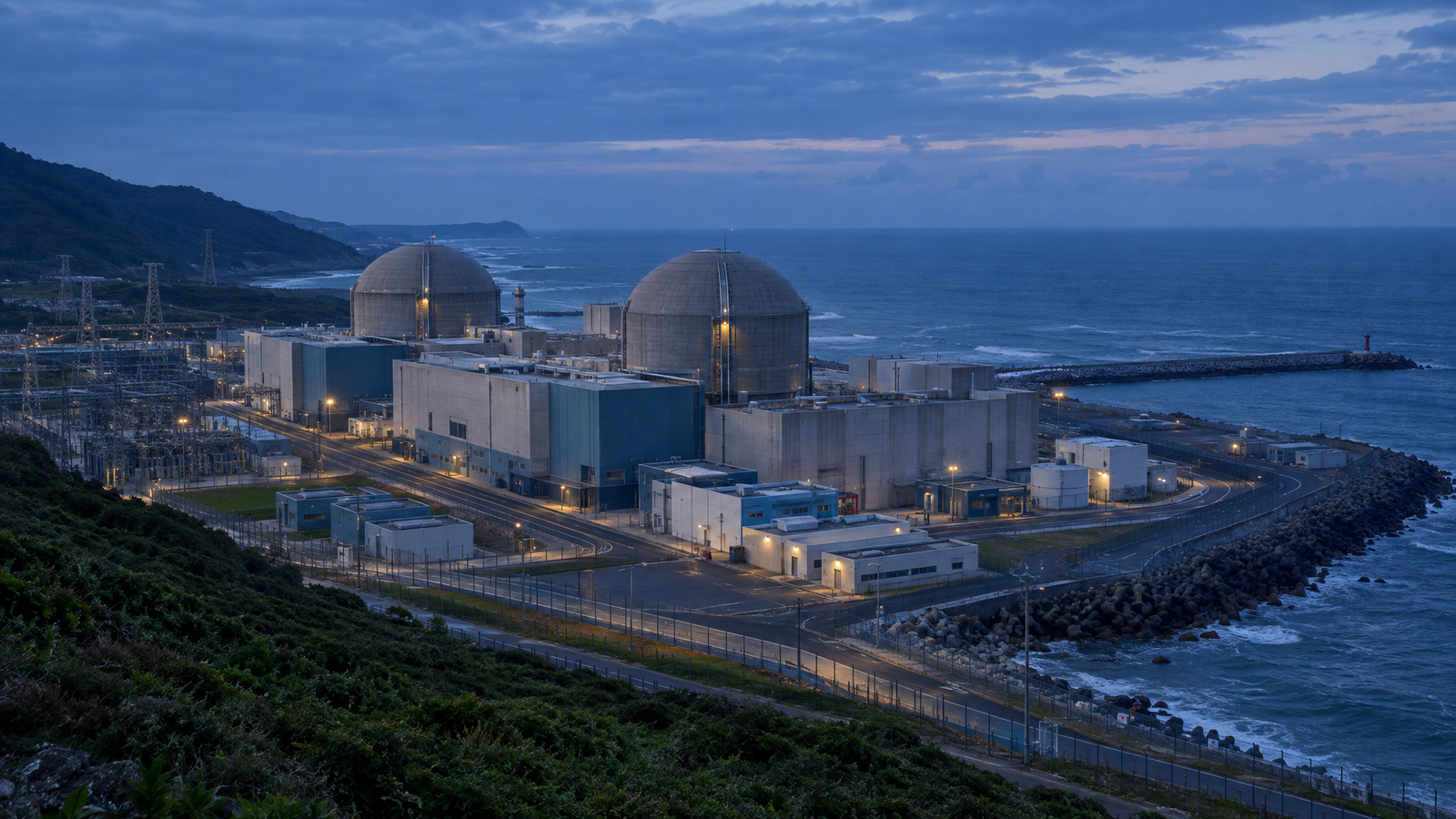
Taiwan’s preliminary review of a nuclear restart suggests semiconductor electricity demand may be reshaping national infrastructure policy. The strategic risk is that power supply becomes a domestic constraint on chip competitiveness.
-
Trump-Xi Washington Summit Puts AI, Taiwan, and Asia’s Chip Risk Outlook in Focus

The Trump-Xi summit matters less for a near-term deal than as a signal event for Asia tech. Trade, Taiwan, and AI competition are now being priced into semiconductor, AI infrastructure, and supply-chain risk.
-
Beneath the Decoupling Rhetoric: Why US-China AI and Chip Interdependence Persists

US-China tech decoupling is proving uneven, with market demand still preserving selected AI and automotive semiconductor linkages. The result is a more segmented risk profile for investors and policymakers.
-
China’s Rare Earth Controls Expose the Structural Limits of Western Reshoring
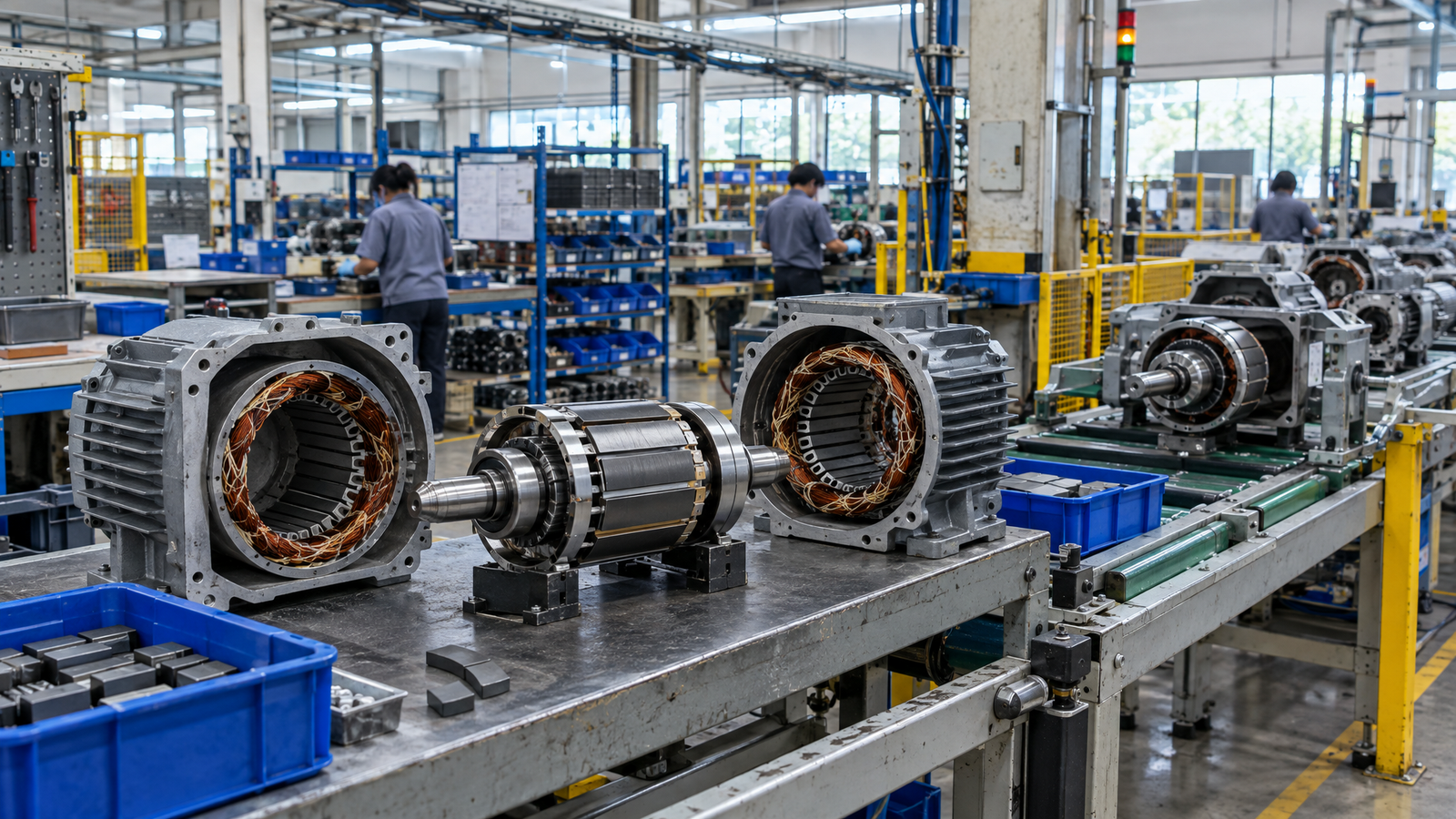
China’s rare earth leverage may extend beyond direct exports, with Chinese-origin materials still embedded in foreign-made products. The strategic risk is hidden dependency even after reshoring.
-
Trump-Xi Washington Summit Tests a Fragile US-China Tech Truce

The Trump-Xi summit is framed less as a breakthrough and more as a test of how far US-China tech conflict is spreading beyond chips. Restrictions on robots, power inverters, and rare earths point to wider supply-chain pressure across Asia.