Latest posts
-
The Electric Tech Stack: AI, Power Systems, and the New Industrial Competition
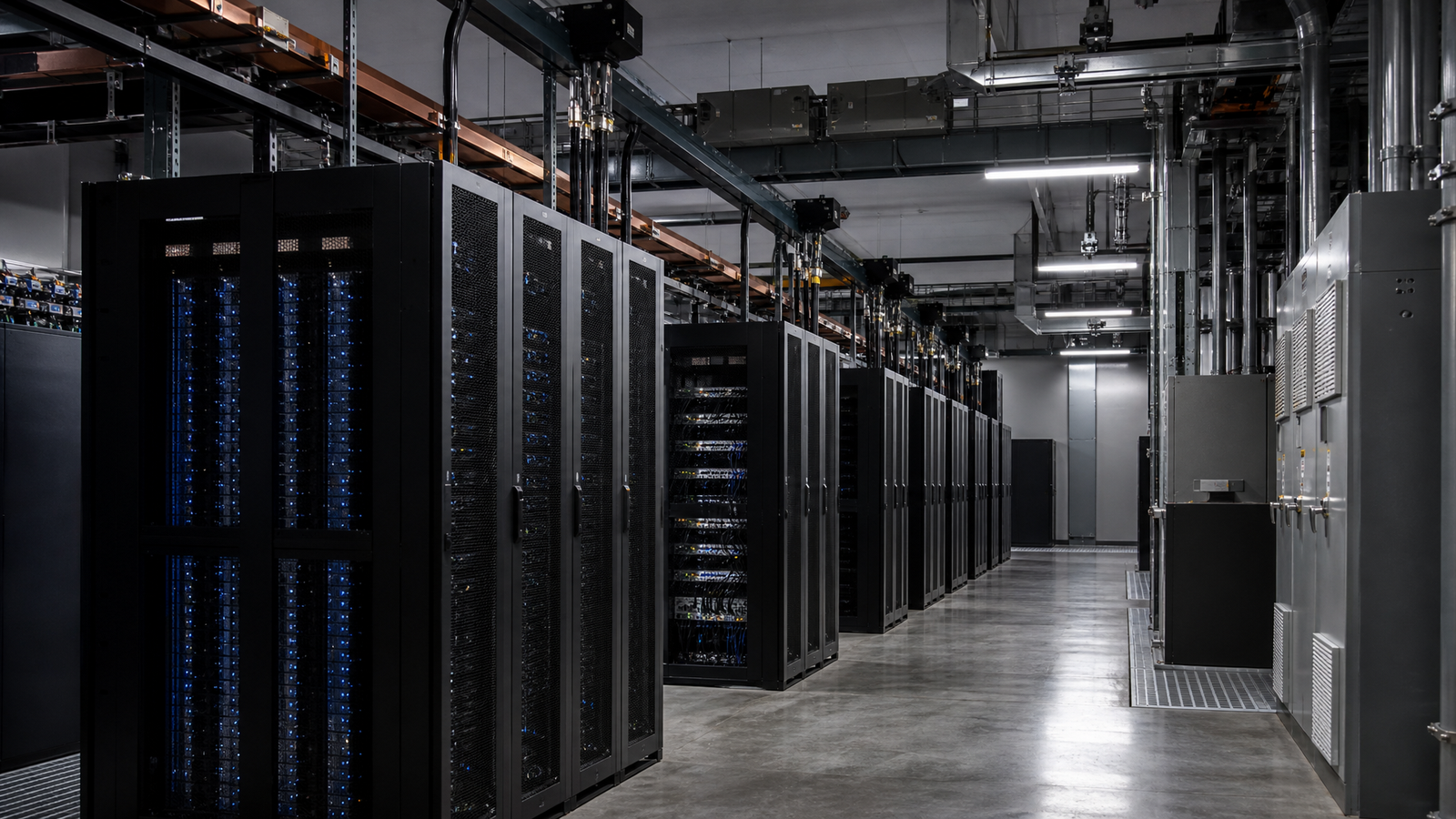
AI competition is increasingly tied to the same industrial stack as clean energy, including chips, batteries, and power electronics. For Asia, the strategic prize is integration capacity across hardware, electricity, and compute.
-
Compute as Strategic Leverage: Why Nvidia Matters in the US-China Balance
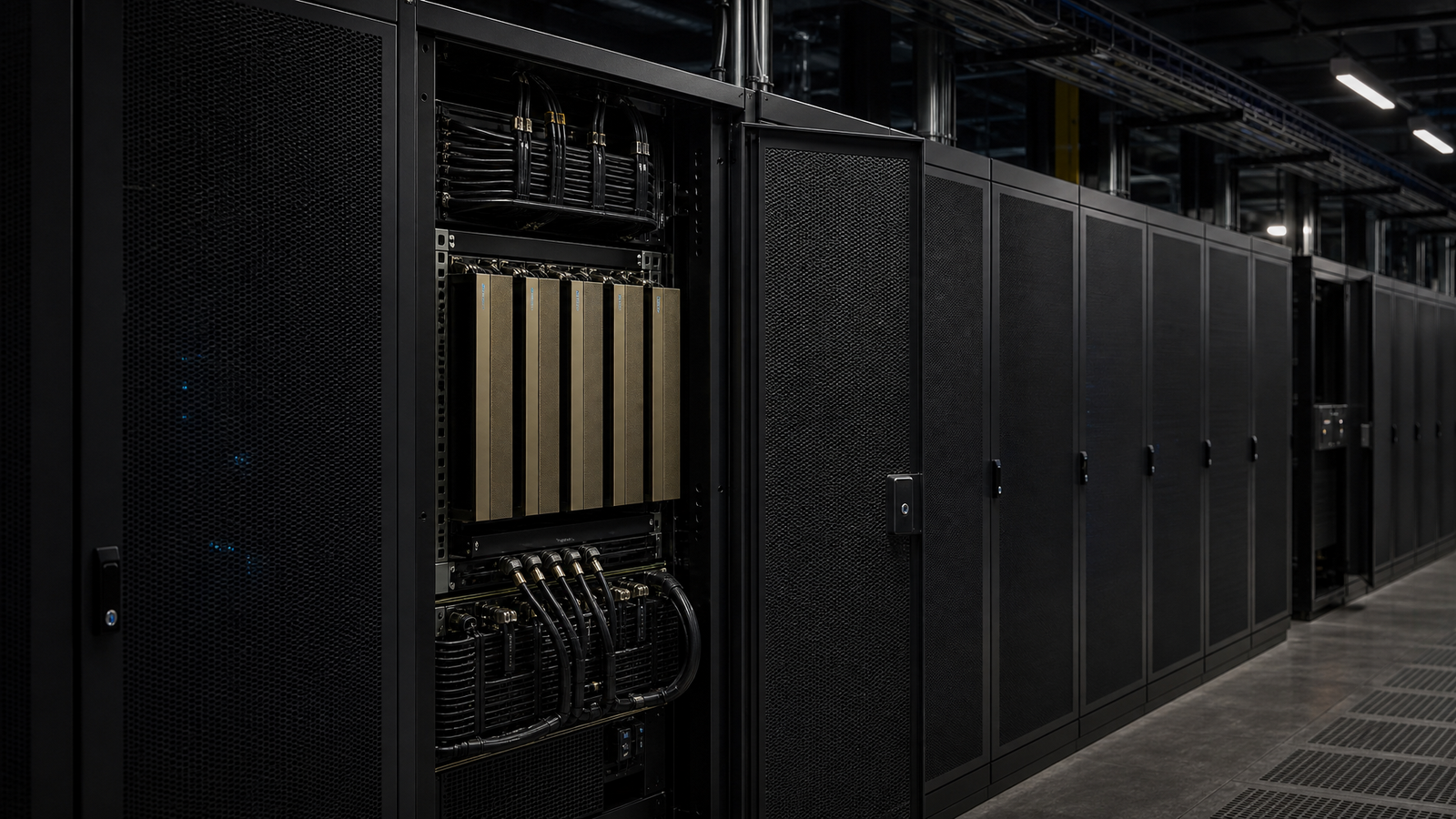
The real US lever over China may be advanced compute, not broad sanctions. Nvidia sits near the center of that strategic shift, with major implications for Asia’s semiconductor and AI infrastructure ecosystem.
-
US Russia Sanctions Bill Reopens Tariff Risk for India and China
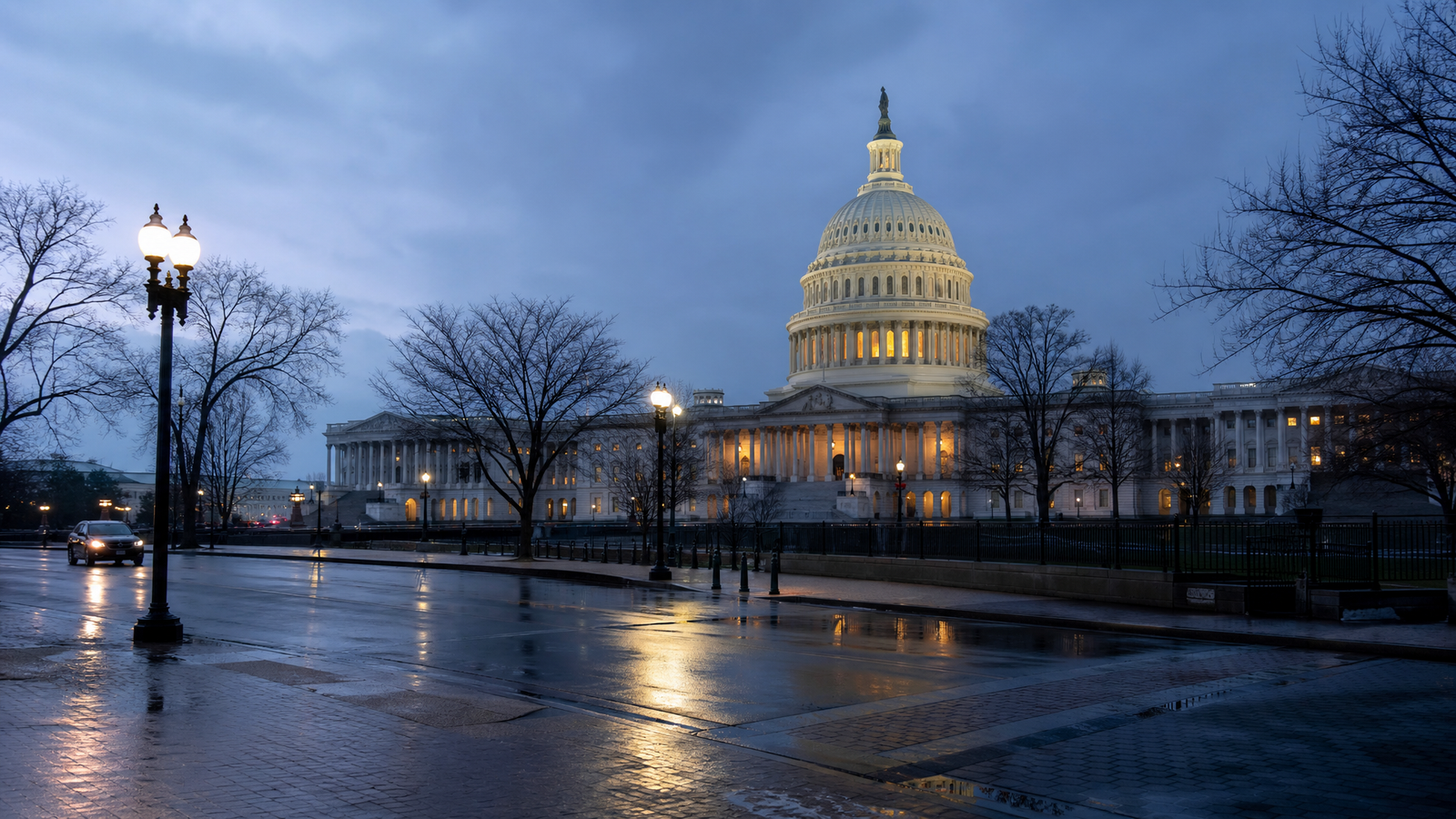
A reported US Russia sanctions bill could expand tariff risk beyond Russia policy, with possible implications for India and China. The larger strategic issue is how that authority may reprice uncertainty across Asia’s technology and supply-chain ecosystem.
-
Seoul’s UAE Assessment Team Signals a New Hormuz Risk Test for Asian Industry
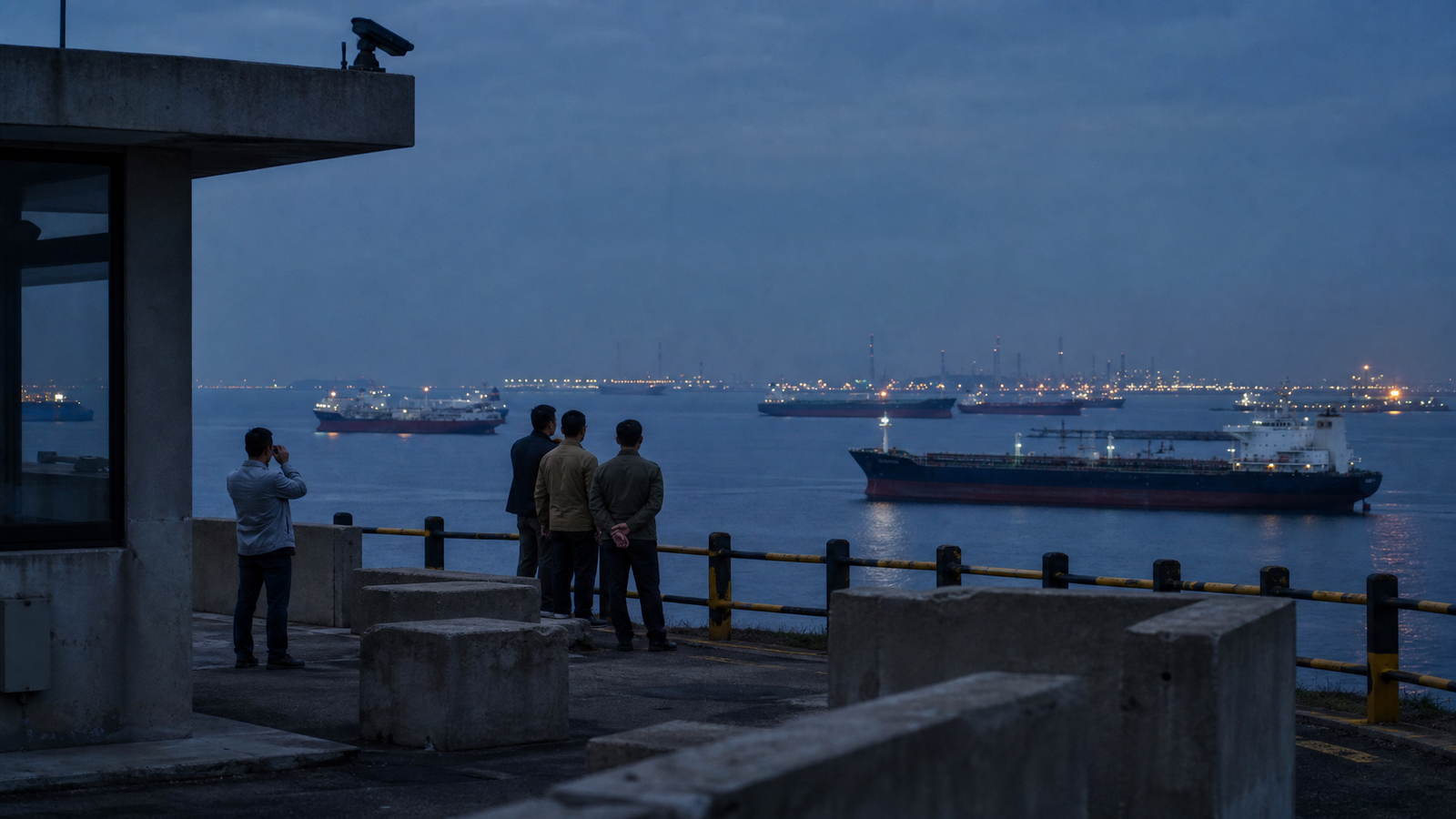
South Korea’s assessment mission tied to the Strait of Hormuz is less a deployment story than a signal of energy risk for Asia’s tech base. The key concern is how maritime instability could affect semiconductor and manufacturing resilience.
-
Huawei’s New York Trial Puts a Long-Running US-China Tech Conflict Into Court
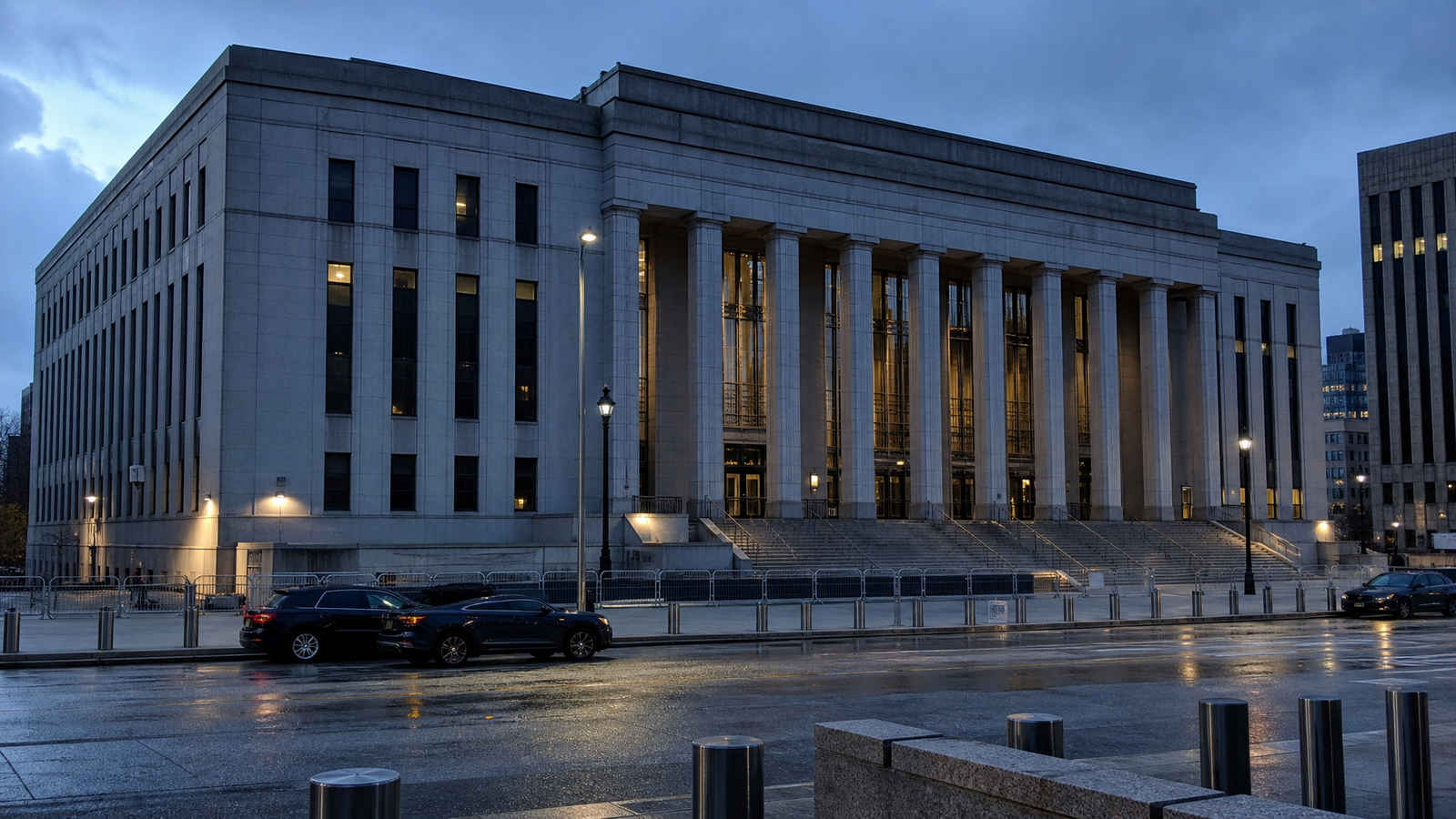
Huawei’s New York trial matters less as a standalone courtroom event than as a signal that legal exposure is becoming a structural force in US-China technology competition. The case highlights how compliance risk can reshape supply chains, financing, and market access across Asia’s tech sector.
-
US-China AI Rift Deepens Over Reported Model Theft Claims
The US-China AI conflict may be expanding from chip controls into AI model governance. That shift could reshape software access, sourcing, and compliance across Asia.
-
Nvidia Chip Export Loophole Raises Questions Ahead of Planned US-China AI Summit
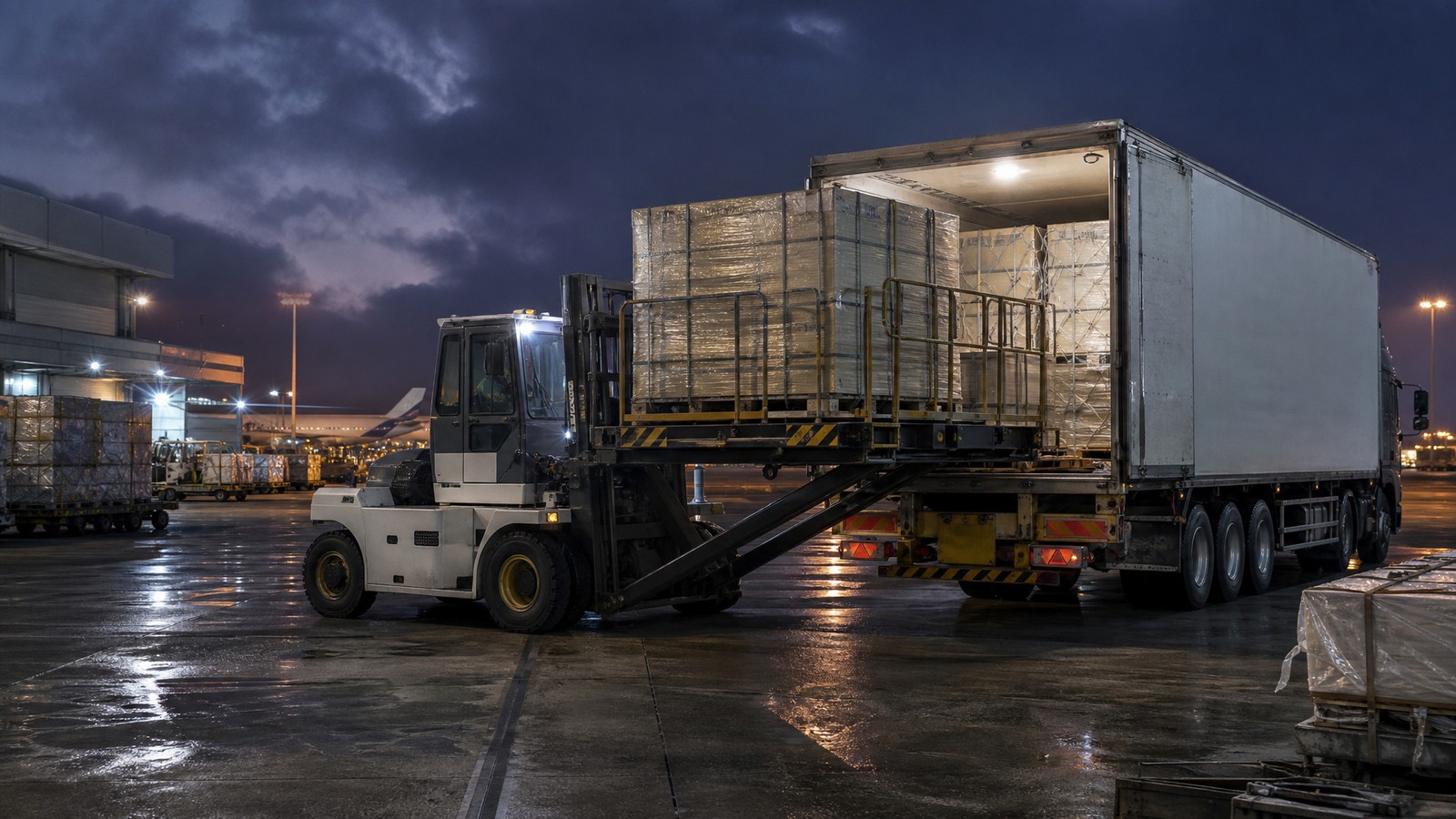
A reported loophole may have allowed blacklisted Chinese server maker Aivres to move advanced Nvidia AI systems into Southeast Asia. The bigger strategic issue is whether US export controls are stronger on paper than in practice.
-
China’s Revised Mobilization Law Sharpens Dual-Use Risk for AI and Drone Firms
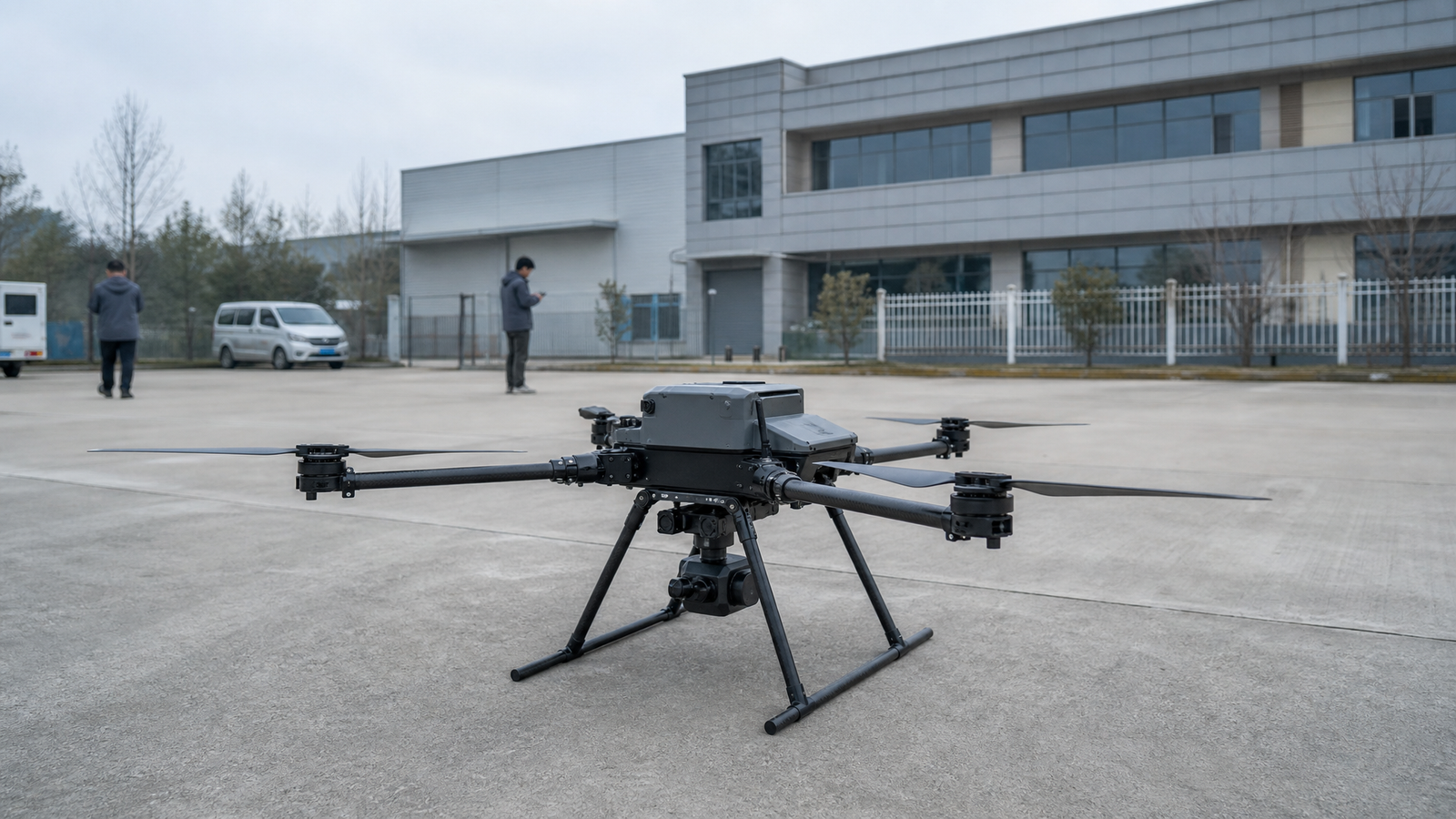
China’s revised mobilization law appears to give Beijing a clearer legal path to redirect commercial AI and drone assets in a crisis. The strategic issue is not immediate seizure, but a more formal link between dual-use tech and state security priorities.
-
Egypt Becomes a Proving Ground for the US-China AI Infrastructure Rivalry
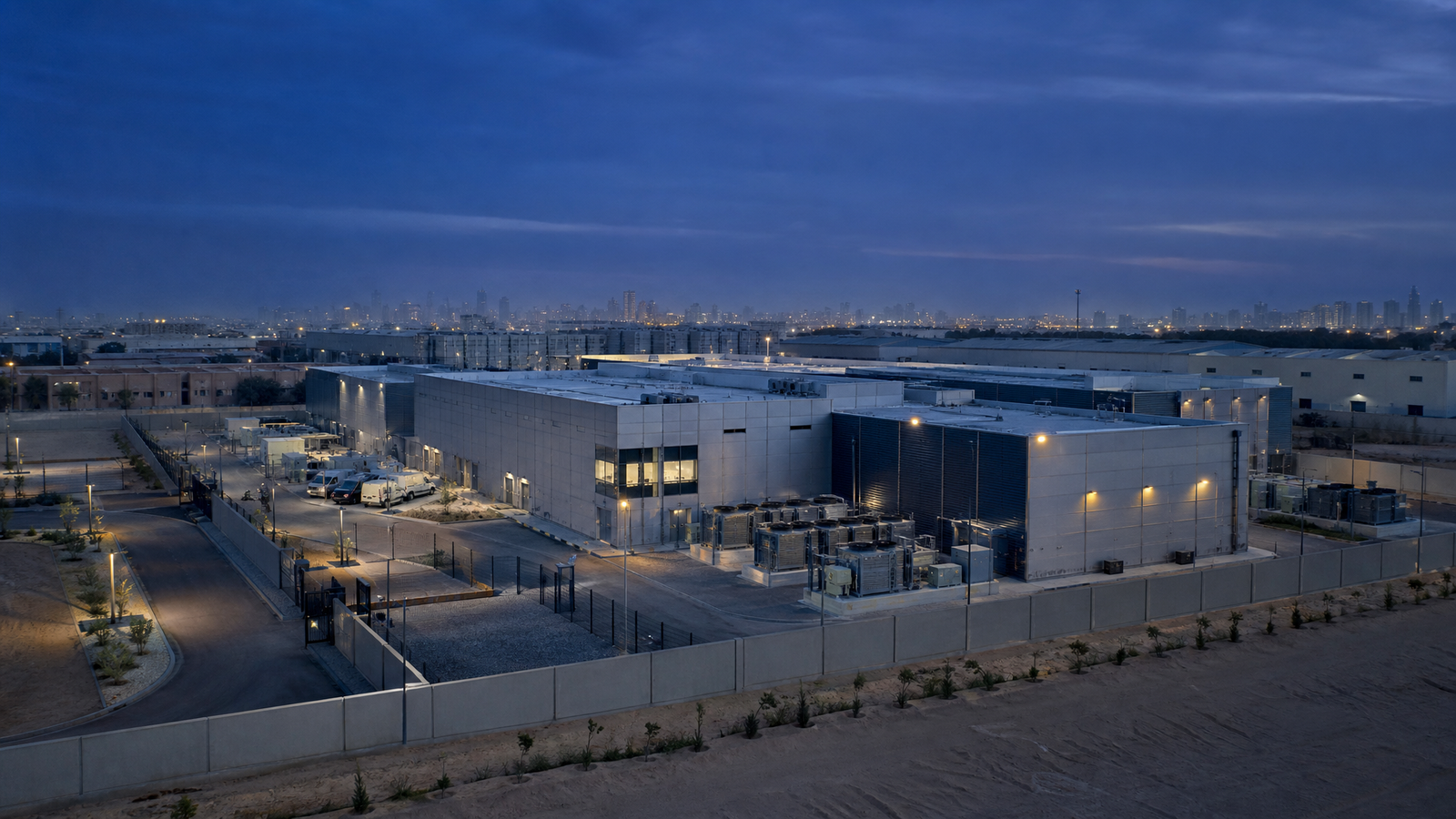
Egypt’s AI data-center contest is becoming more than a vendor decision. A Huawei bid and a US-backed Nvidia-Microsoft counteroffer show how infrastructure choices can shape long-term ecosystem dependence.
-
Washington’s Dual-Track Drone Policy: Easier Exports, Higher Import Barriers
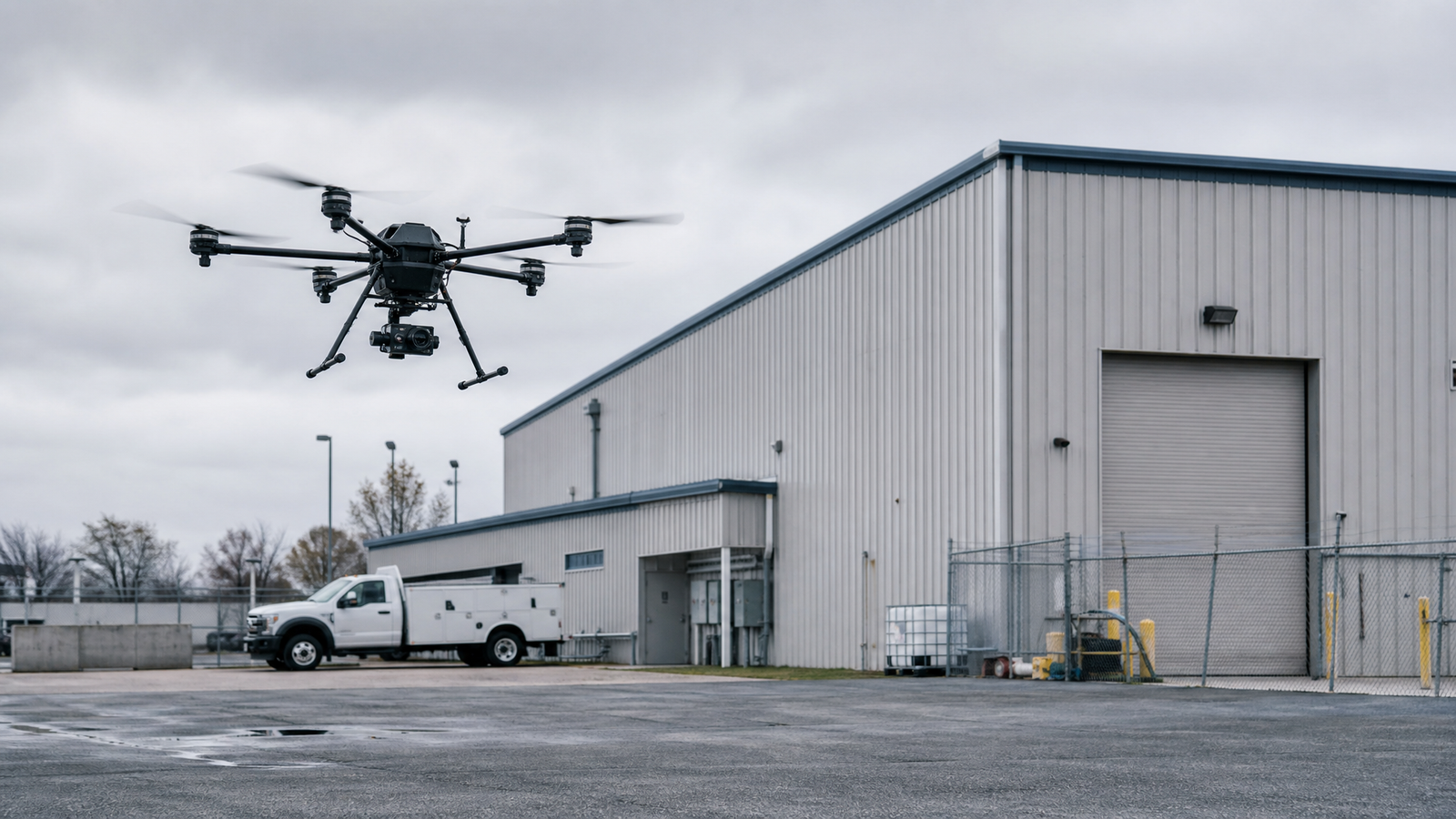
Washington is pairing export liberalization with import restrictions to reshape the drone market. The move signals drones are being treated as strategic technology with major supply-chain implications for Asia.