Latest posts
-
Huawei-HP Wi-Fi Patent Deal Highlights Enduring US-China Standards Interdependence

Huawei and HP’s Wi-Fi patent deal shows that standards-based IP can preserve commercial interdependence even as geopolitical pressure fragments products and supply chains. The bigger signal is that decoupling may be hardest at the standards layer.
-
Washington Names Korea’s Honam Mega-Cluster, Raising Pressure on Samsung and SK Hynix
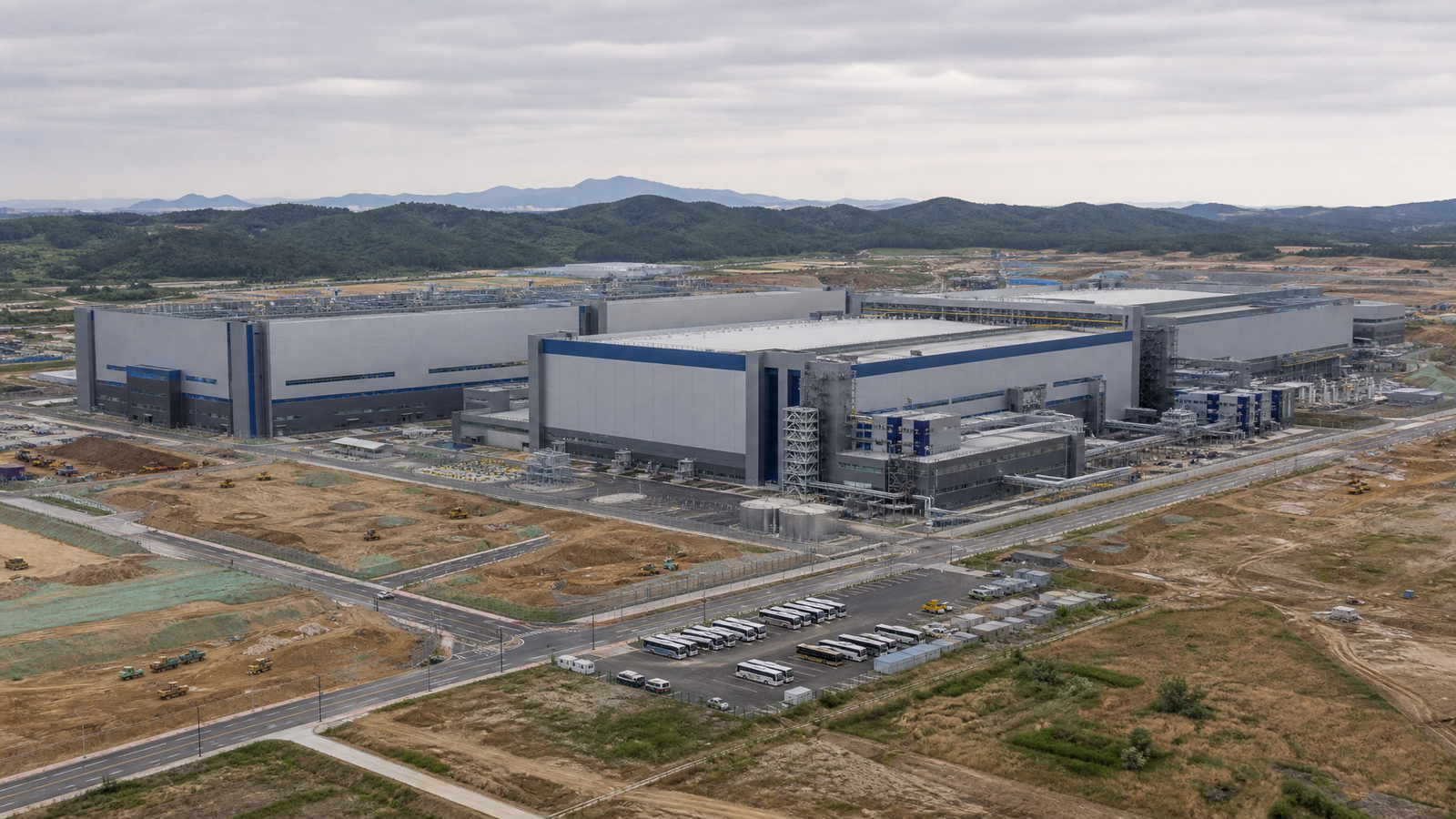
Washington reportedly named South Korea’s Honam chip cluster in investment talks, signaling a shift from coordination to competition over memory fab capital. For Samsung and SK Hynix, fab location is becoming a geopolitical choice tied to AI infrastructure and supply-chain strategy.
-
India and Japan Move Toward Defense-Industrial Co-Development

India and Japan’s reported UNICORN project matters less for its scale than for the shift it may signal: from defense dialogue to practical co-development. If sustained, it could deepen technology sharing, engineering links, and defense supply chains.
-
U.S. Customs Crackdown on Transshipment Raises Compliance Pressure for Asia’s Tech Supply Chains
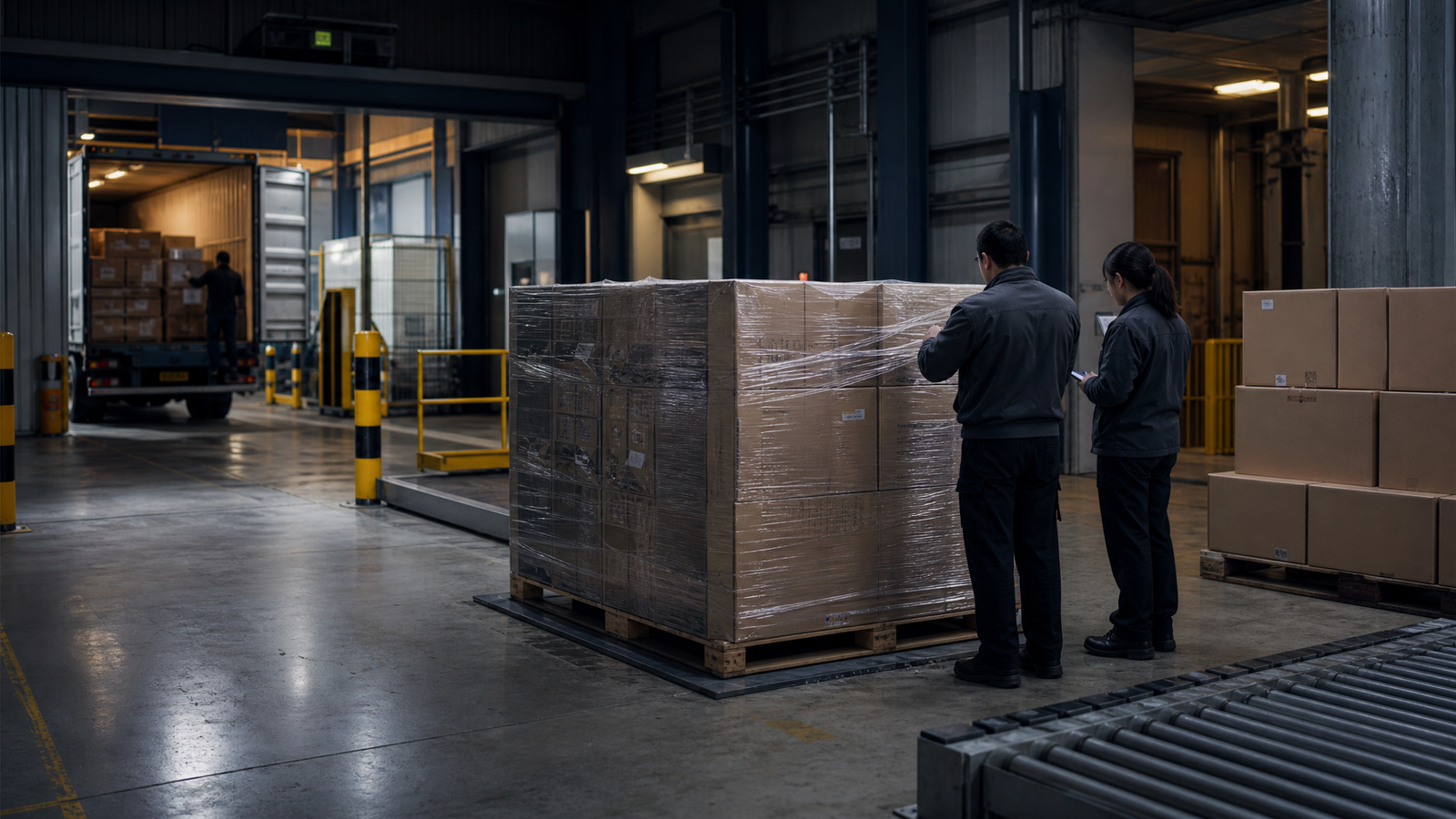
U.S. customs pressure on transshipment may matter less as a tariff headline than as a test of whether Asia’s tech supply chains can prove origin and transaction substance. The shift could favor real value-added production with stronger documentation.
-
Access Without Guarantee: Pax Silica and the Limits of America’s AI Alliance System

India’s AI challenge is less about joining a US-led technology framework than whether that access can be trusted to last. The strategic response is likely a dual-track model combining alliance participation with domestic AI and semiconductor capacity.
-
Why Banning Chinese Open-Source AI Models May Undermine, Not Protect, US AI Leadership

CEPA argues that banning Chinese open-weight AI models may do less to slow China than to weaken US competitiveness. The bigger strategic contest is shifting toward compute, infrastructure, talent, and ecosystem strength.
-
When a Telecom Regulator Becomes a Trade Lever in US-China Tech Decoupling

The FCC’s reported restrictions on Chinese drones, routers, and data center components may signal a broader shift in US-China tech decoupling. The move could raise compliance pressure and fragment Asia’s critical infrastructure supply chains.
-
Italy Moves AI From Innovation Policy Toward National Security Oversight

Italy’s AI story is not about immediate restrictions but about a more important signal: national security institutions may now shape how governments evaluate AI dependence and infrastructure trust.
-
Taiwan’s Cyber Defense Gap Is Emerging as a Semiconductor Security Issue

Taiwan’s cyber defense gap is being framed as a semiconductor security issue. The strategic implication is that cyber resilience and chip resilience are becoming inseparable.
-
China’s Waico Launch Opens a New Front in AI Governance
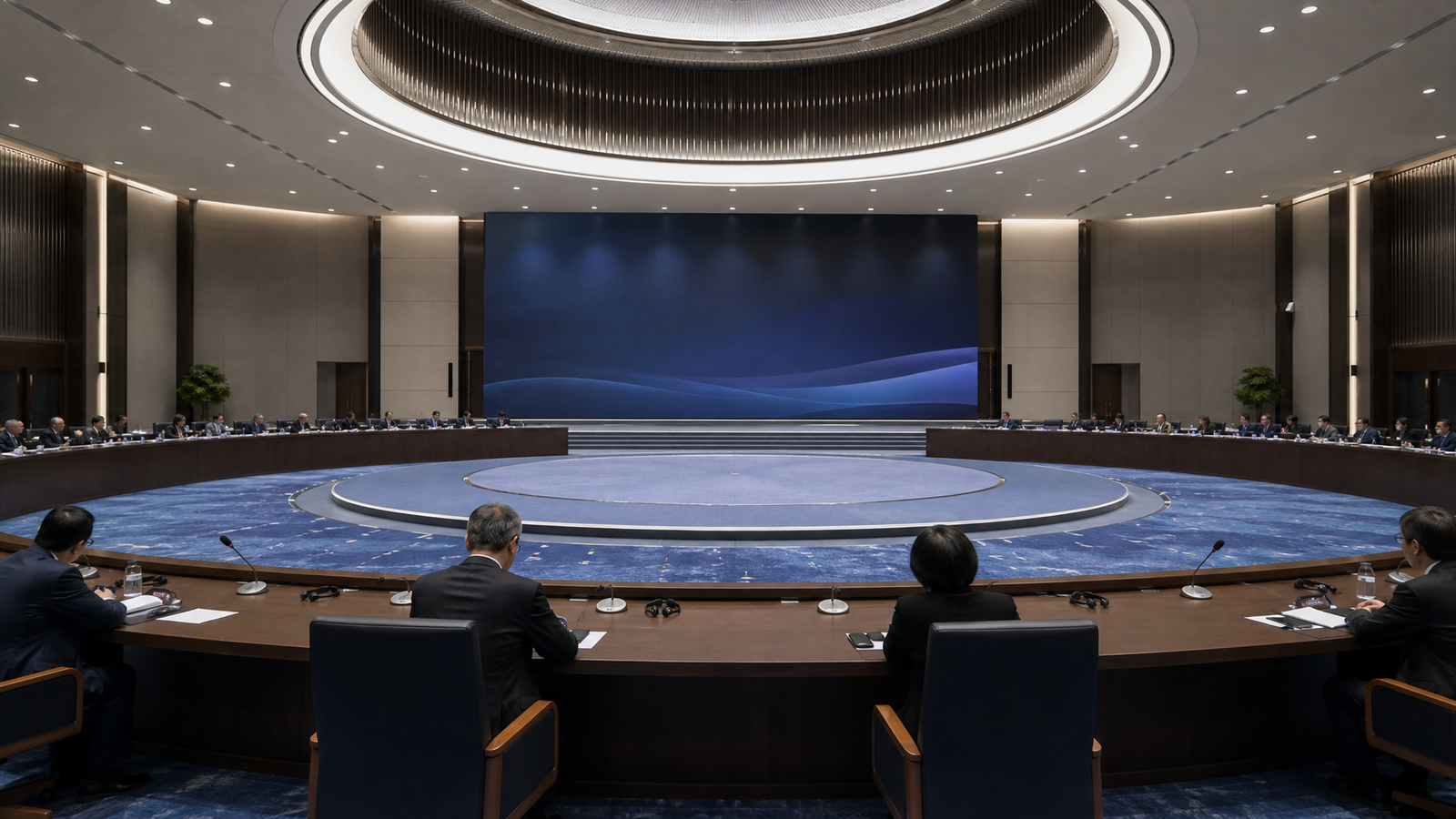
China’s Waico launch points to a broader shift in AI competition from chips and models toward governance and institution-building. If it gains traction, it could influence standards, procurement, and technology alignment across developing economies.