Latest posts
-
KYEC’s Nvidia Advance Payment Deal Signals a New Phase in US Backend Chip Capacity Buildout
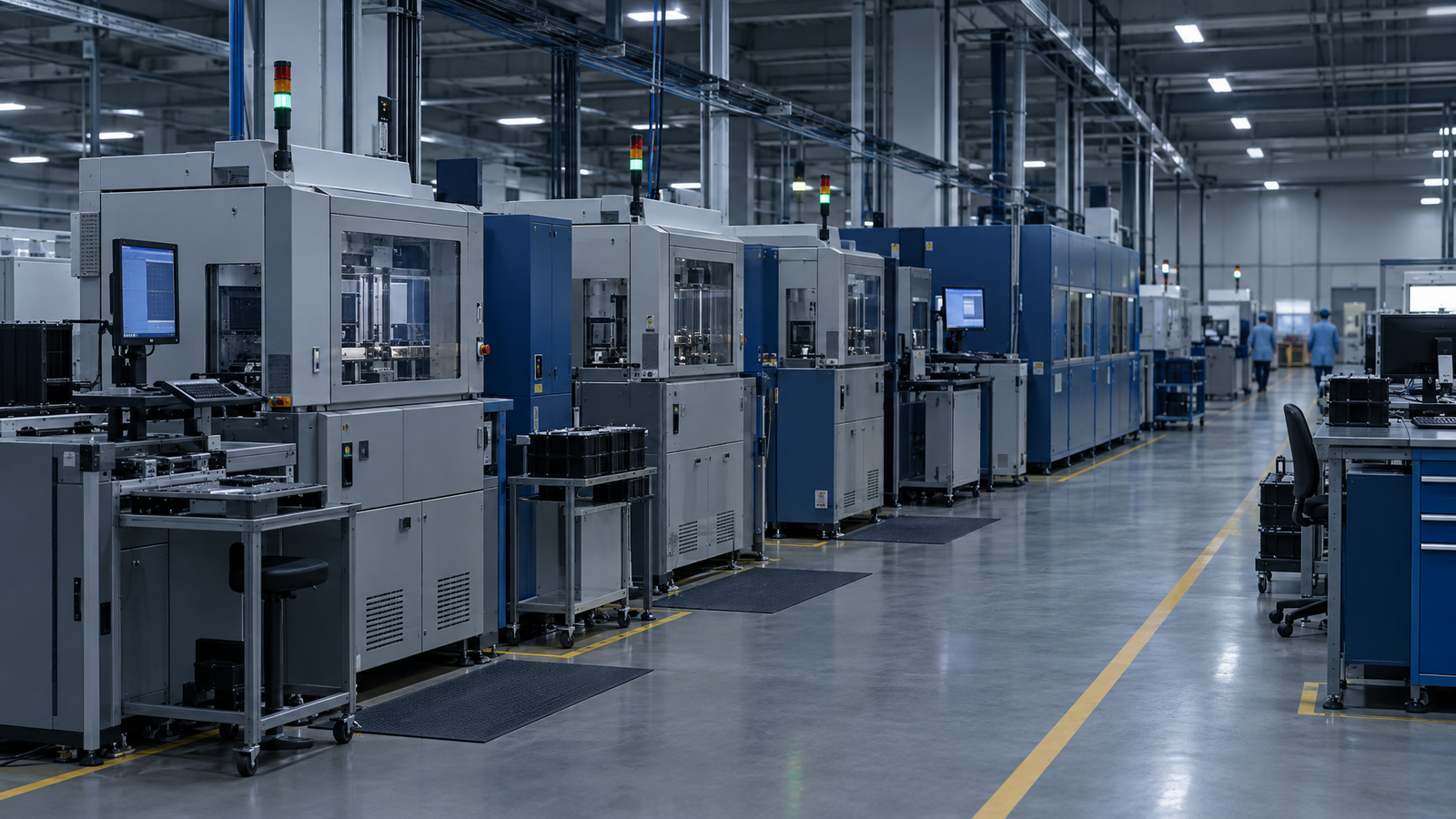
Nvidia’s reported advance payment to KYEC suggests backend chip testing is moving closer to the center of AI supply-chain strategy. The deal points to deeper supply pressure in semiconductor operations and continued Taiwanese OSAT relevance.
-
Beyond the Shrink: TSMC, Intel, and Samsung Turn to Early Equipment Integration for AI Chips
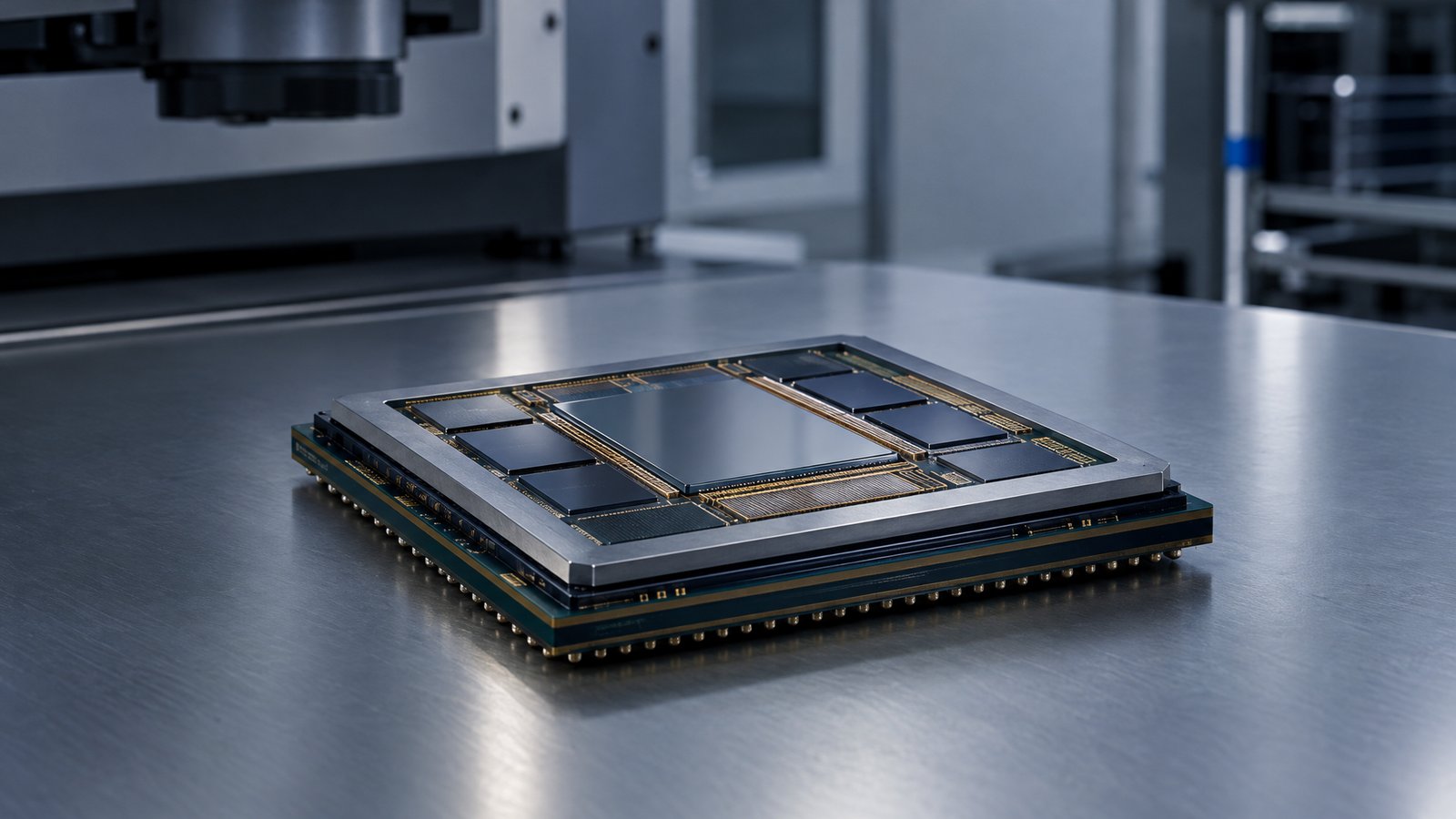
AI chip leadership may be moving beyond transistor scaling alone. Reported alignment among TSMC, Intel, Samsung, and Applied Materials points to earlier co-optimization in packaging, architecture, and manufacturability.
-
Southeast Asia Tech Funding Surges, but Growth Is Concentrated in AI Infrastructure Mega-Deals
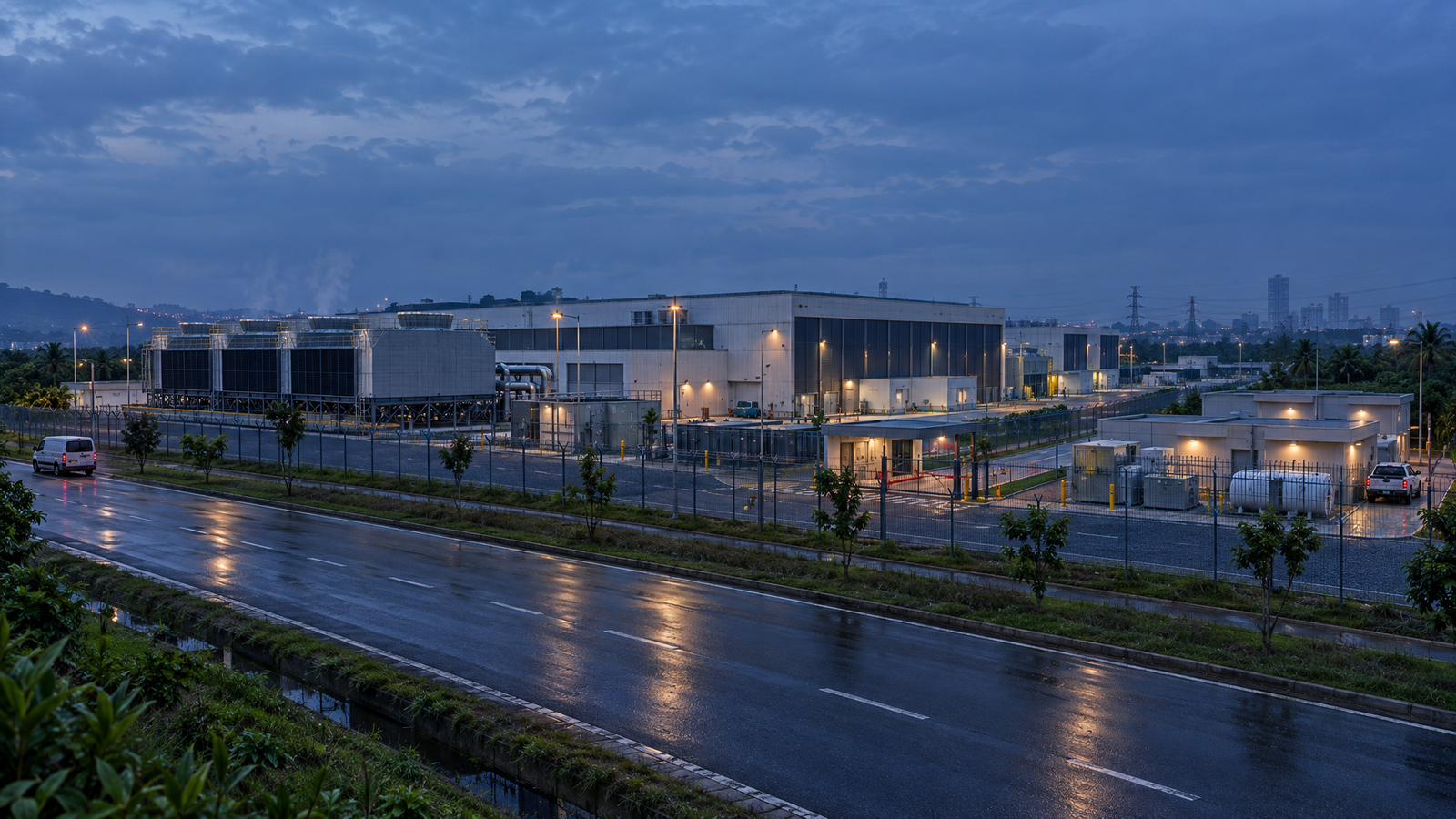
Southeast Asia’s tech funding surge reached 13.5 billion dollars in 9M 2026, but the increase was driven by a few large AI and data center deals. The headline rebound signals capital concentration more than broad startup recovery.
-
Microsoft’s Surface Launch Highlights Memory Cost Pressure in Local AI PCs

Microsoft’s latest Surface launch points to memory pricing as a key constraint on local AI PCs. The result could be a slower path from premium showcase devices to broader adoption.
-
AI Hardware Boom Reshapes Trans-Pacific Logistics as Precision Capacity Gains Strategic Value
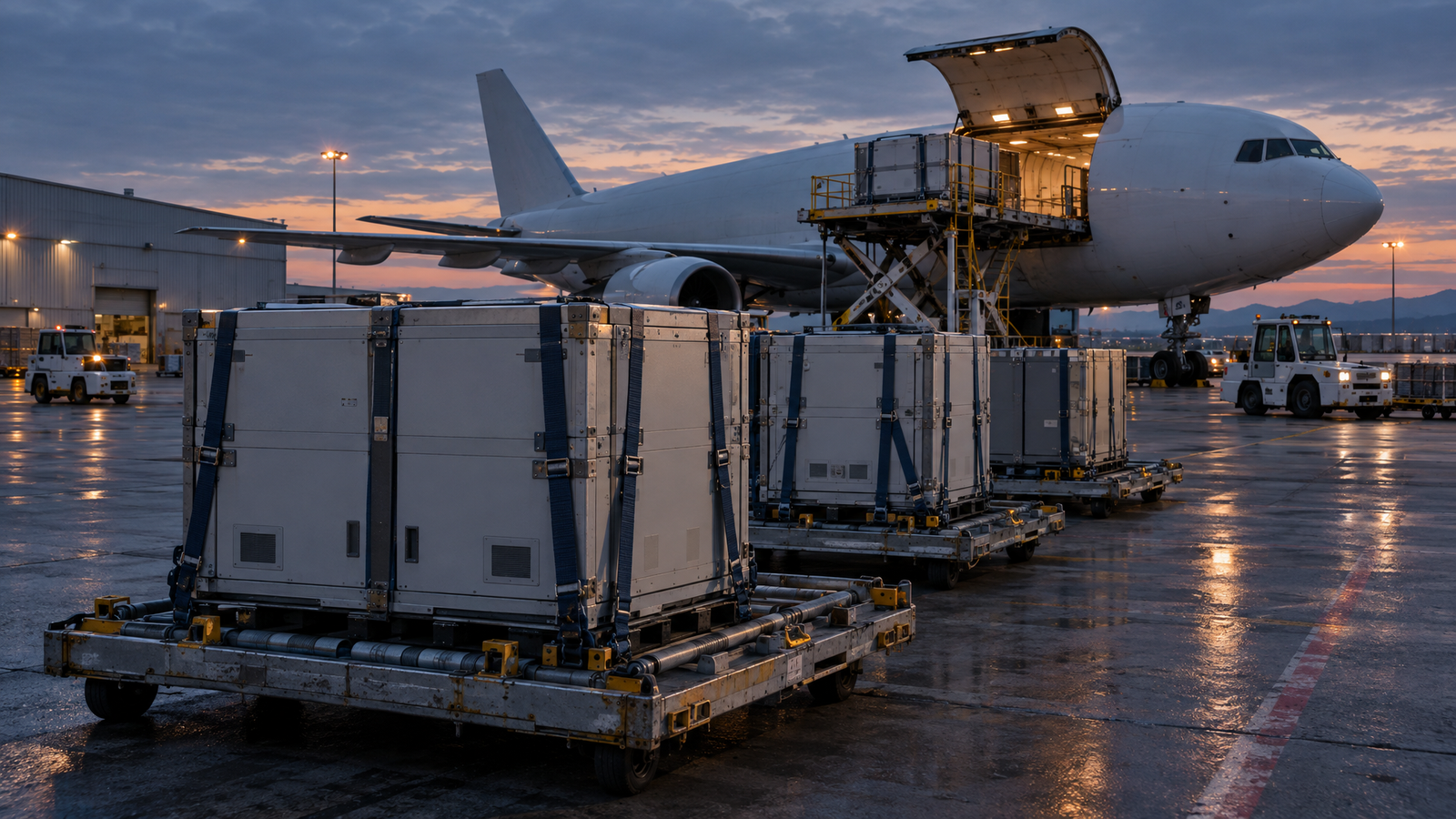
AI hardware demand is starting to reshape trans-Pacific logistics. Carriers are expanding precision shipping and automated hubs in Asia as semiconductor and data center hardware trade grows, making freight reliability a bigger part of AI deployment.
-
CXMT’s Reported DRAM Progress Adds Pressure to Korean Memory Leaders
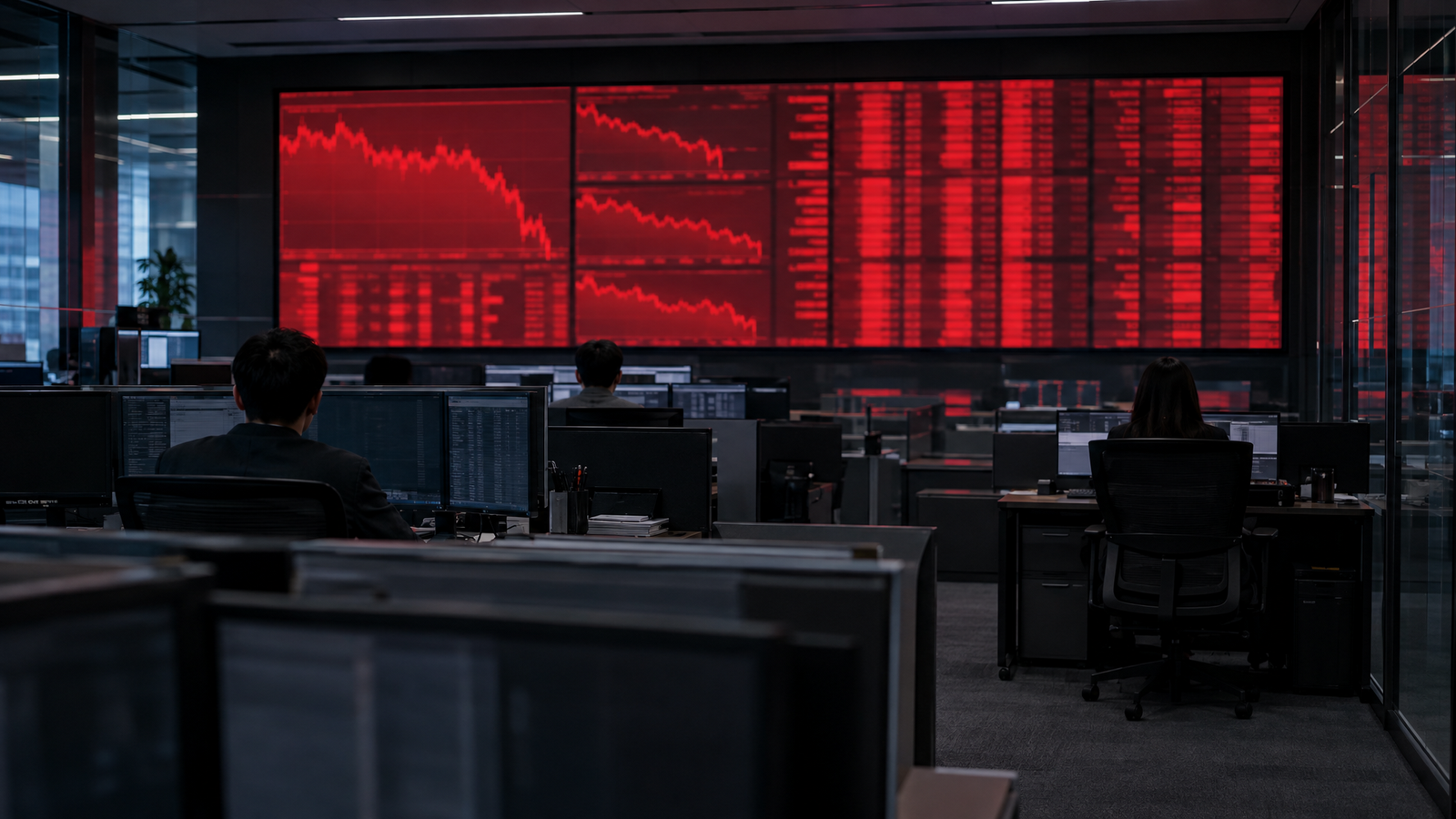
Samsung and SK Hynix fell after reported DRAM progress from CXMT, even though parity in yields, scale, and market share is not confirmed. The move reflects a shift in investor perception around future Korean memory leadership.
-
TSMC’s Record Q3 Revenue Points to Deeper AI Dependence on Taiwan’s Advanced Foundry Capacity
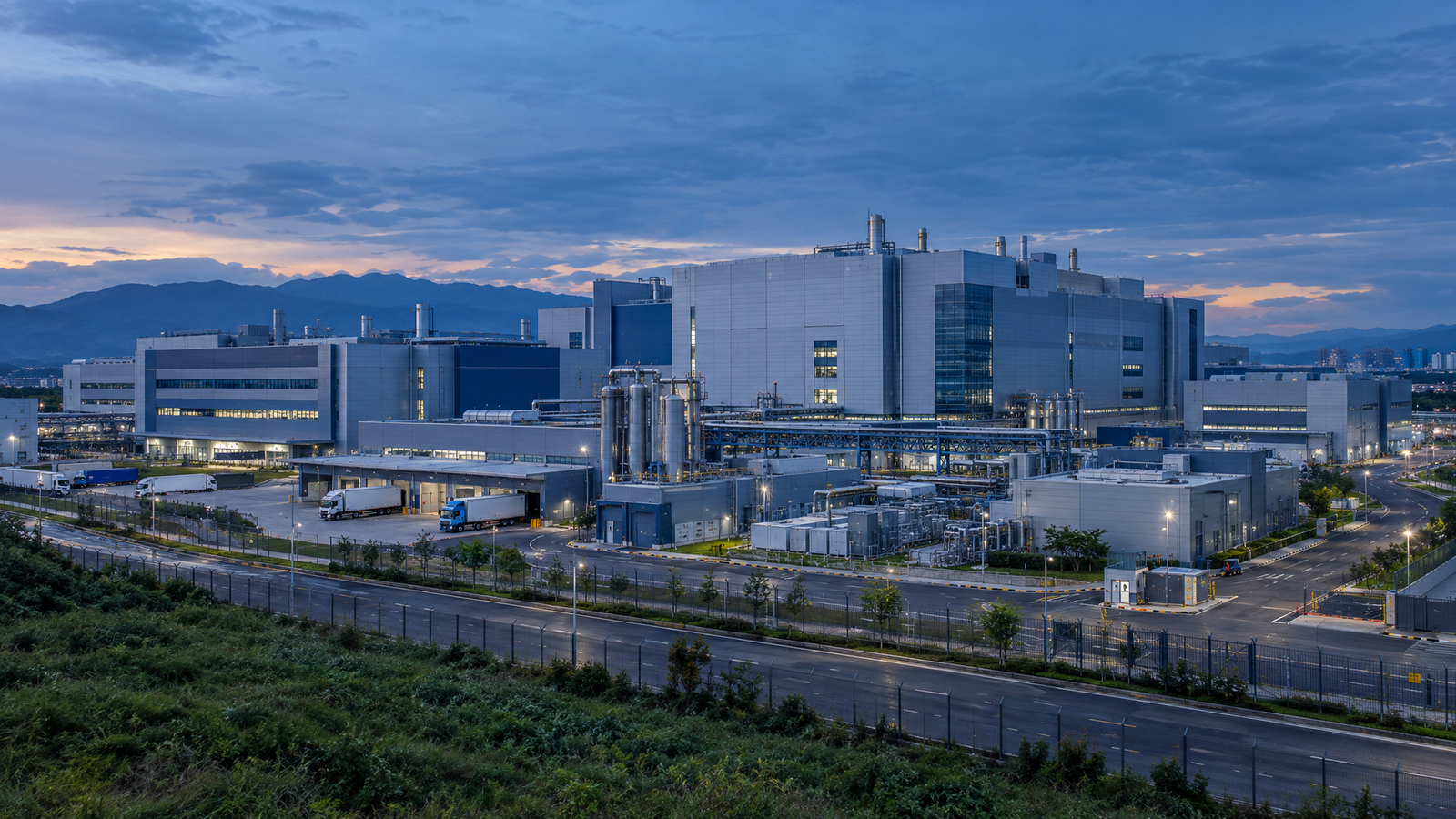
TSMC’s reported record quarter suggests the next phase of AI value creation may depend less on chip design alone and more on who can manufacture frontier chips at scale. The move underscores Taiwan’s central role in the AI infrastructure cycle.
-
Samsung’s Record 3Q26 Profit Highlights AI Memory Pricing Power
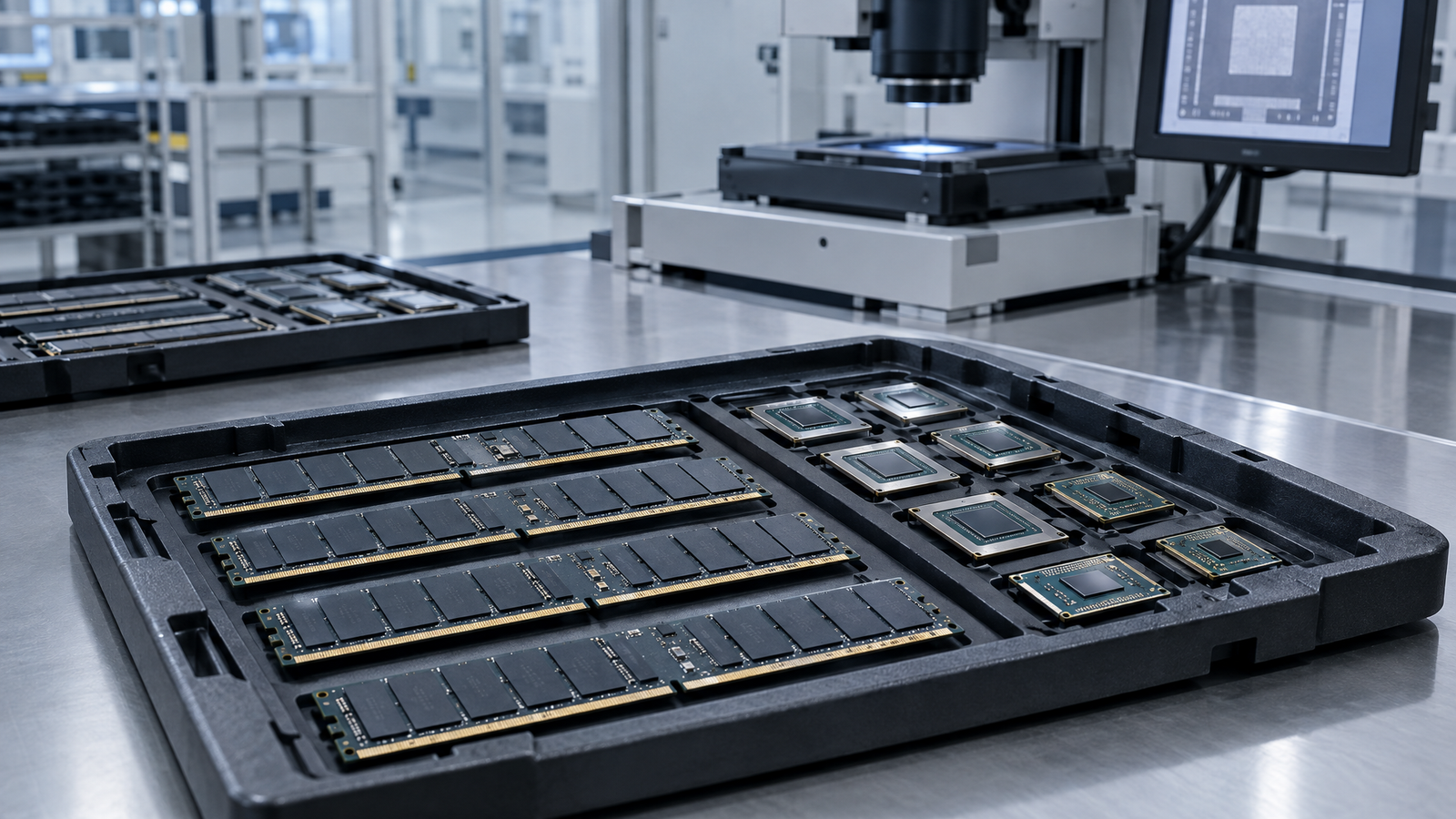
Samsung’s reported quarter suggests advanced memory, especially HBM4, is becoming a major profit pool in AI infrastructure. The move strengthens South Korea’s strategic position, while raising questions about how long current pricing power can last.
-
Samsung’s Q3 Profit Surge Signals Strength in Asia’s AI Memory Cycle
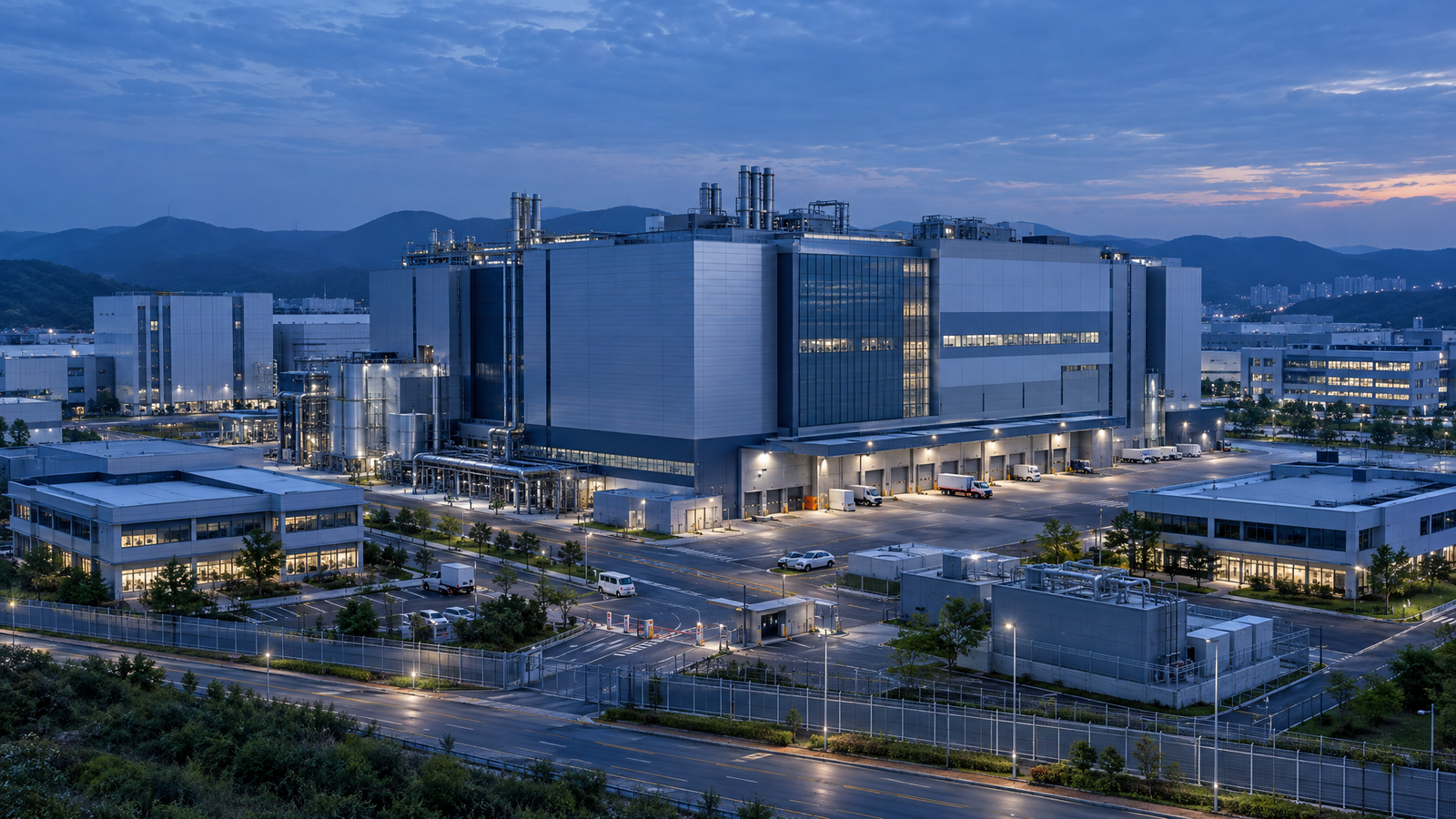
Samsung’s preliminary Q3 2026 profit surge is best read as a signal of continued AI-linked strength in Asia’s memory and semiconductor supply chain. The key risk is that the guidance remains preliminary, without full product detail.
-
Public Backlash Against Data Centers Emerges as a Potential Constraint on AI Infrastructure Expansion
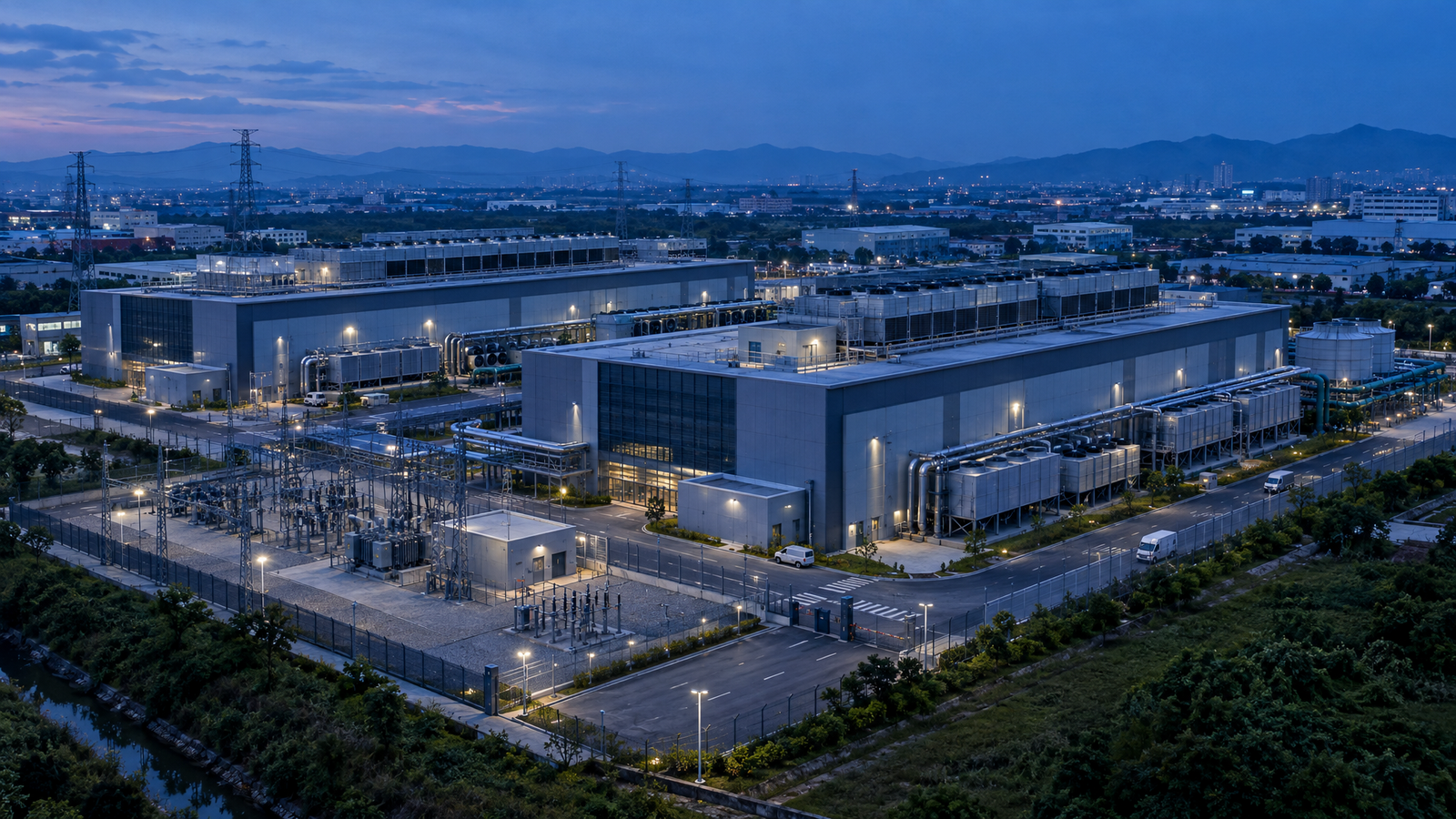
AI infrastructure is no longer constrained only by chips, capital, and electricity. Public resistance to data center expansion is emerging as a new execution risk, especially in energy-sensitive markets like Taiwan.