Latest posts
-
TSMC’s Arizona Approval Pushes Taiwan-Cleared US Commitment to $44 Billion

TSMC’s latest Arizona approval pushes Taiwan-cleared capital for the US project to US$44 billion. That matters because six approvals now point to a long-duration overseas manufacturing program, not a symbolic expansion. The opportunity is a more distributed semiconductor footprint in the AI era. The risk is that approved capital does not automatically translate into productive…
-
Samsung’s CXL 3.1 Delay Highlights How Server CPU Timelines Still Govern Memory Innovation

Samsung’s CXL 3.1 memory delay is a platform signal, not just a product delay. The key issue is that compatible next-generation server CPUs from Intel and AMD have also been postponed, pushing rollout into next year. That shows how advanced memory adoption in AI infrastructure still depends on CPU timing, system validation, and broader platform…
-
AWS Trainium 3 Demand Lifts Taiwan Shipments and Sharpens Focus on Custom AI Silicon
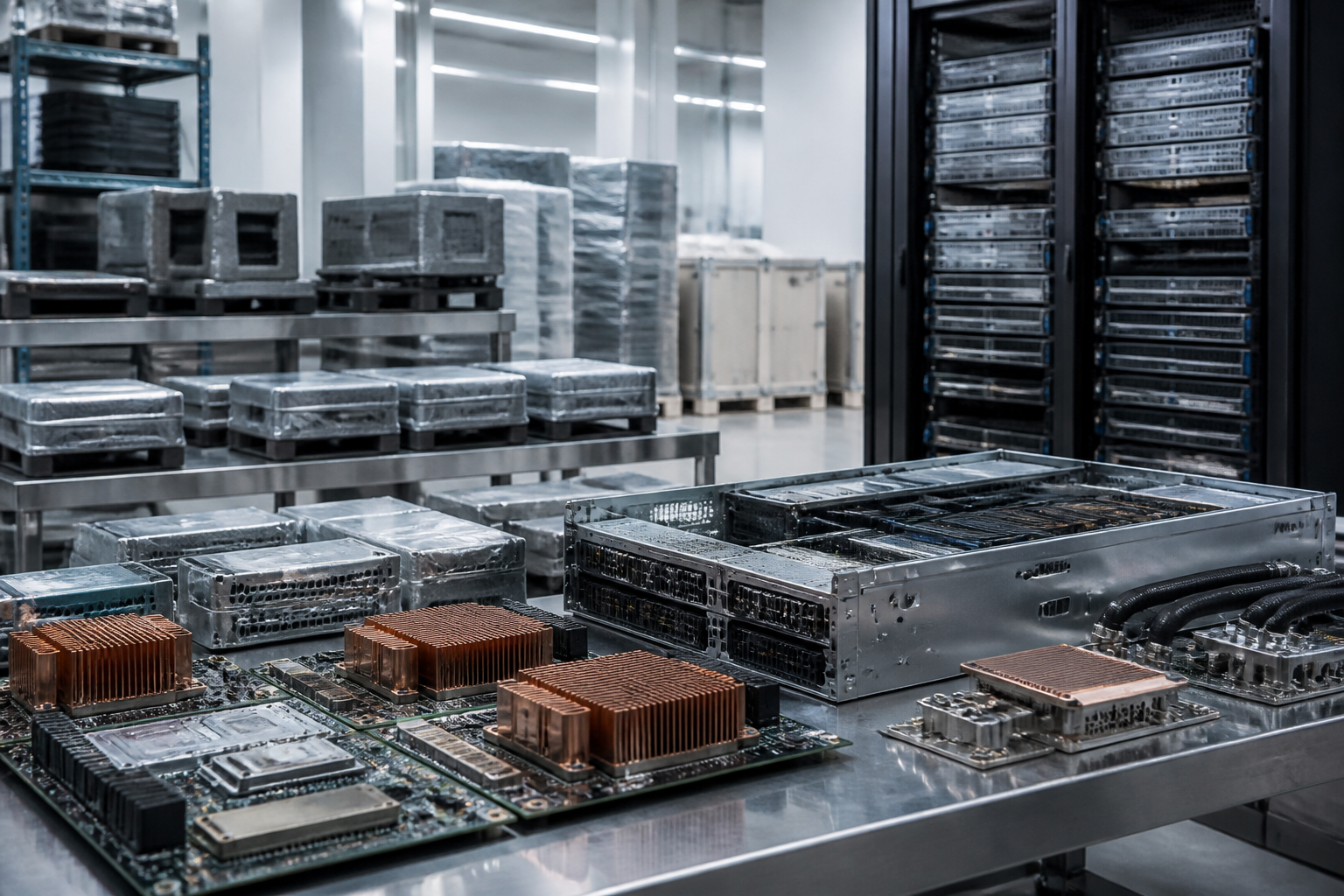
AWS has reportedly asked server supply chain partners to raise Q3 2026 shipments by 20% to 30%, tied to Trainium 3 demand. The bigger signal is strategic. Custom hyperscaler silicon is starting to create visible pull across Taiwan’s AI hardware supply chain.
-
India Advances a Larger Semiconductor Push With Reported $13 Billion ISM 2.0 Outlay

India has reportedly cleared a proposed $13 billion outlay for ISM 2.0 at the committee level, but Cabinet approval is still pending. The bigger question is whether this becomes a real ecosystem strategy for semiconductors across Asia.
-
Anthropic Tightens Claude Controls as Report Highlights a Wider AI Access Enforcement Gap

Anthropic’s tighter Claude enforcement points to a larger issue in the US-China AI race. Software-based AI restrictions may be much harder to enforce than hardware controls when access can move through global cloud infrastructure and cross-border entities.
-
Apple’s reported CXMT push highlights AI-era memory pressure and the limits of decoupling

Apple’s reported CXMT approval push is a signal of something bigger. AI-driven memory tightness may be forcing hardware companies to test the limits of US-China decoupling.
-
Huawei’s Reported Kirin 2026 Debut Signals a Post-Moore Turn in China’s Chip Strategy

Huawei’s reported Kirin 2026 debut may be more than a handset milestone. It could signal a broader post-Moore chip strategy built around architecture, packaging, integration, and testing under semiconductor constraints.
-
Samsung and SK Hynix Reportedly Rework China Exposure in Chip Tool Supply Chains
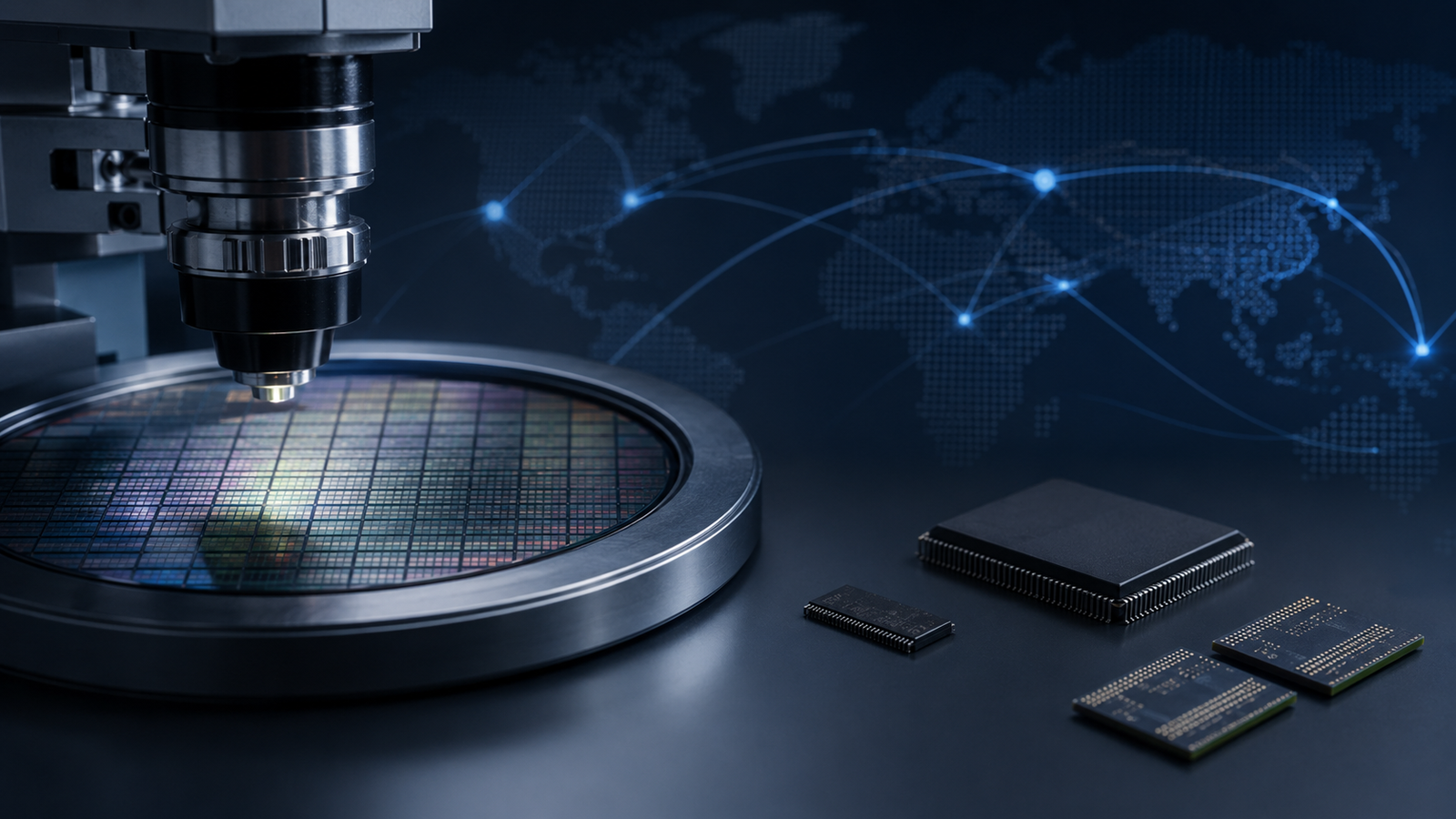
Samsung and SK Hynix are reportedly reducing China-related exposure in semiconductor tools, materials, and components as they prepare for possible tighter US export controls.
-
Innoscience-Infineon dispute puts China’s courts at the center of the GaN competition

A reported Innoscience-Infineon patent clash at electronica Shanghai 2026 highlights a bigger issue in semiconductors. In China, legal venue and enforcement may increasingly shape market access in strategic categories like GaN.
-
TSMC’s First-Generation CoPoS May Not Start With Glass

A key advanced packaging assumption may be early. TechPowerAsia breaks down why TSMC’s first-generation CoPoS may launch without glass substrates and what that could mean for Taiwan and Japan supply-chain timing.