Latest posts
-
Enflame’s STAR Market IPO Highlights China’s Public-Market Route to AI Chip Funding
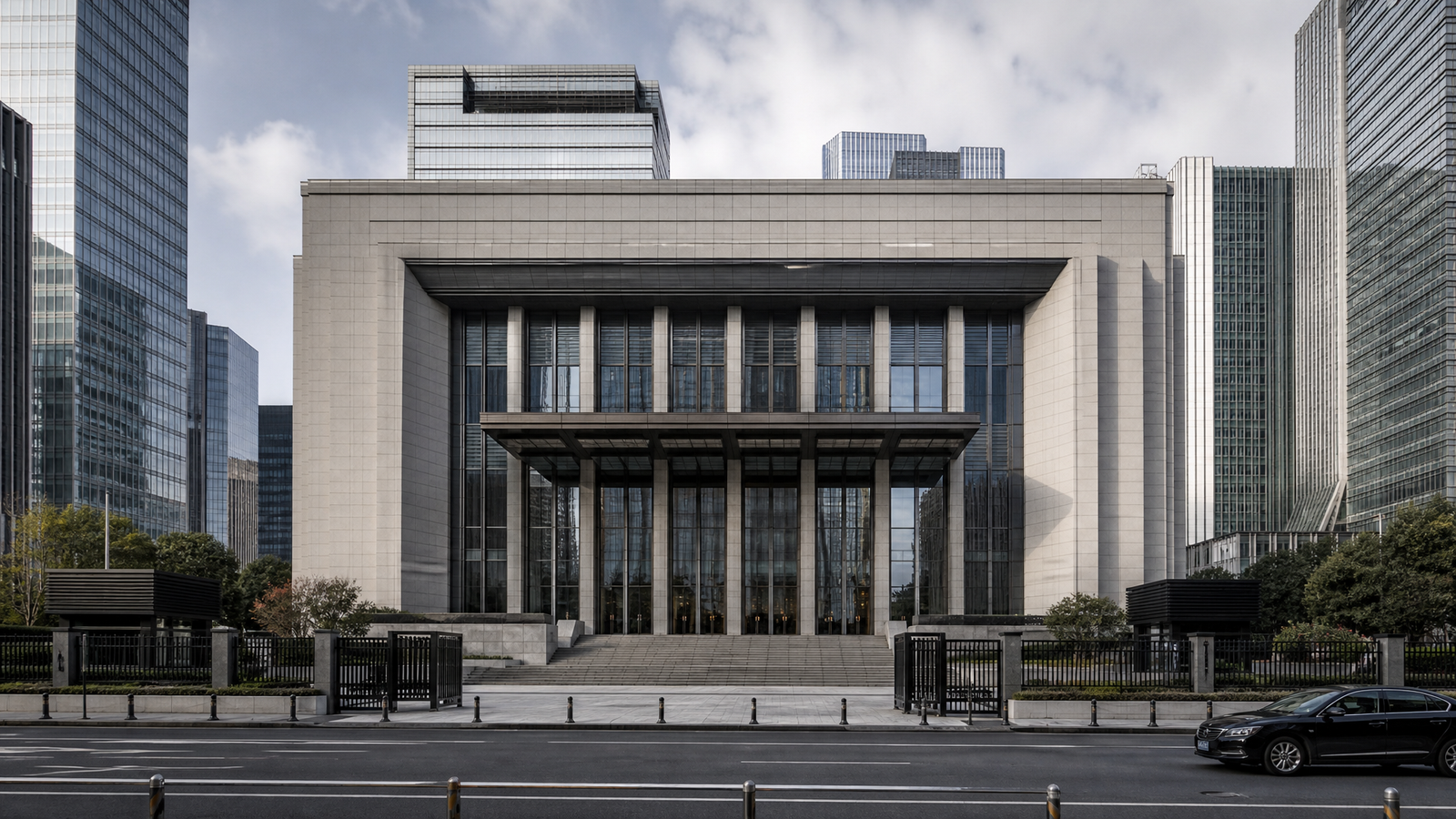
Enflame’s Shanghai IPO matters less as a single listing and more as a signal that China may be using public markets to finance AI chip development at scale. The key question is whether funding momentum will translate into product competitiveness and adoption.
-
Tencent’s WeMM-Embedding Release Highlights China’s Open-Source-Plus-Deployment AI Playbook

Tencent’s WeMM-Embedding release matters less as a model launch than as an infrastructure move. The strategic implication is that multimodal retrieval may become a platform layer inside major Asian tech ecosystems.
-
MediaTek’s Reported Google TPU Win Highlights Taiwan’s Rising Role in AI ASIC Design
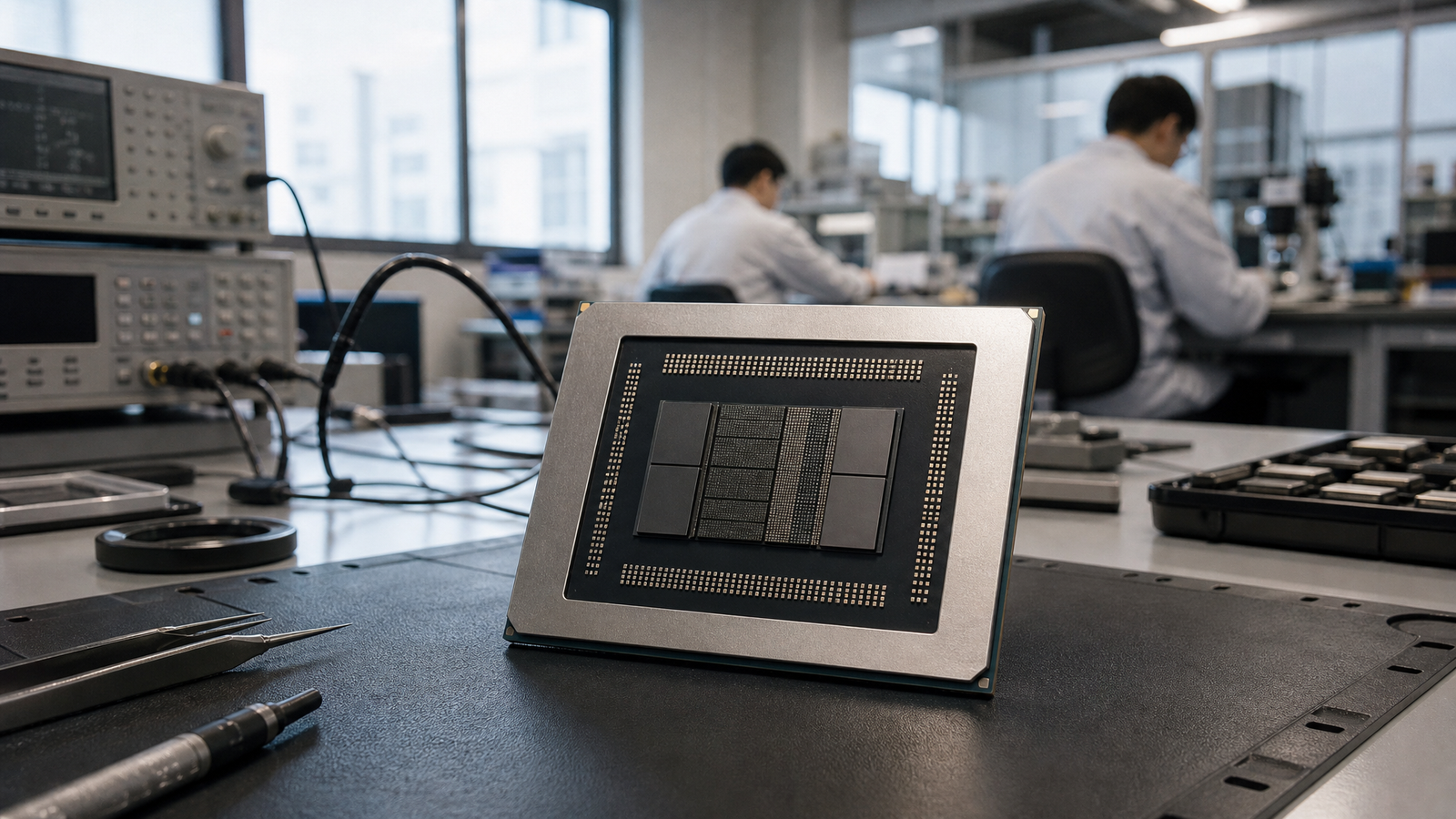
MediaTek’s reported Google TPU role may signal a bigger shift as Taiwan pushes further into high-value AI ASIC design, not just semiconductor manufacturing.
-
Soitec’s Multi-Year Wafer Deals Point to Tightening AI Photonics Supply
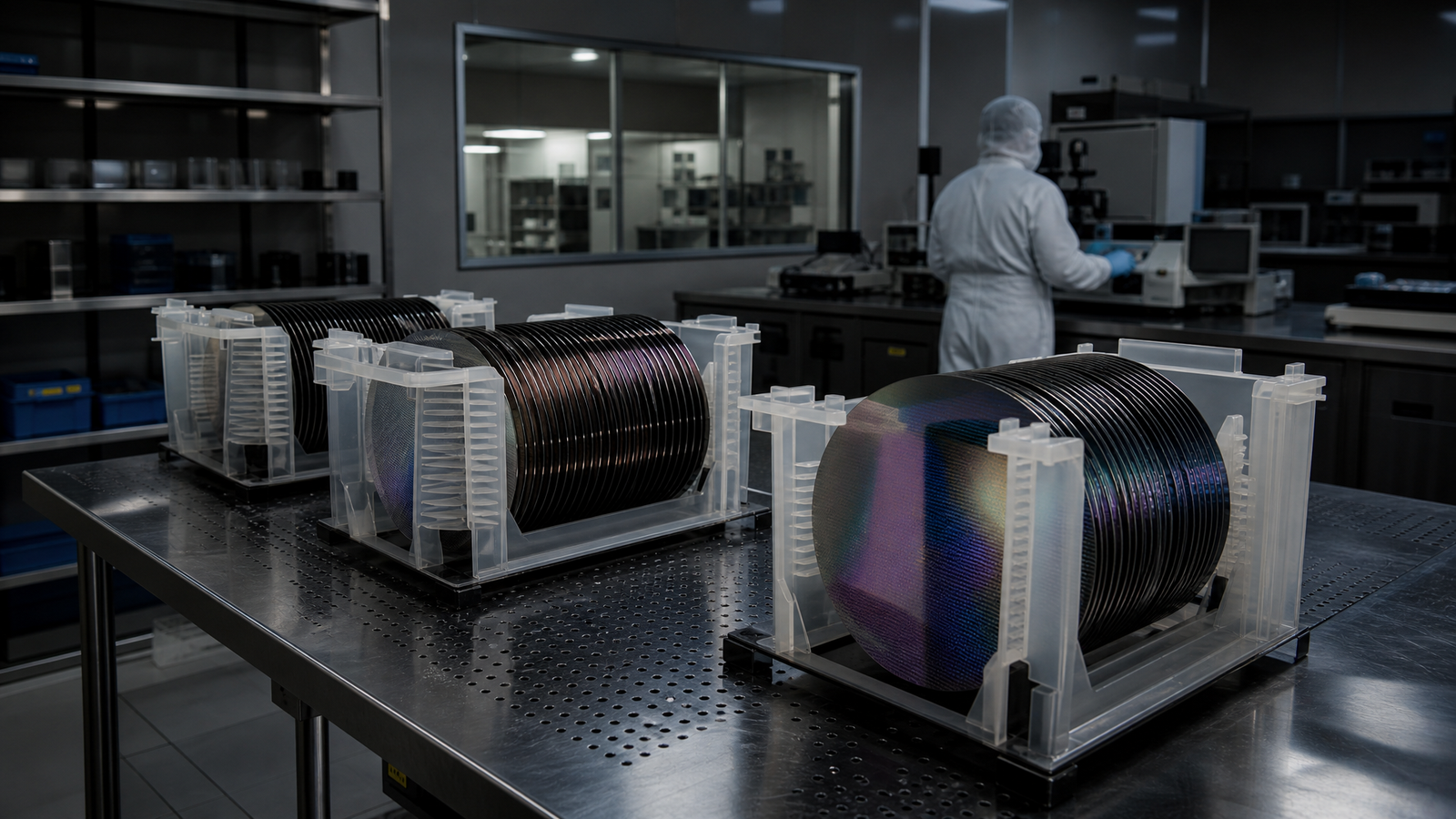
Soitec’s move to multi-year photonics-SOI agreements with fixed pricing and deposits signals tighter control over an upstream AI photonics supply layer. The structure points to stronger pricing power and supply discipline in optical networking.
-
Capital Is Moving: Why India and Indonesia Matter in a Wider FDI Reordering
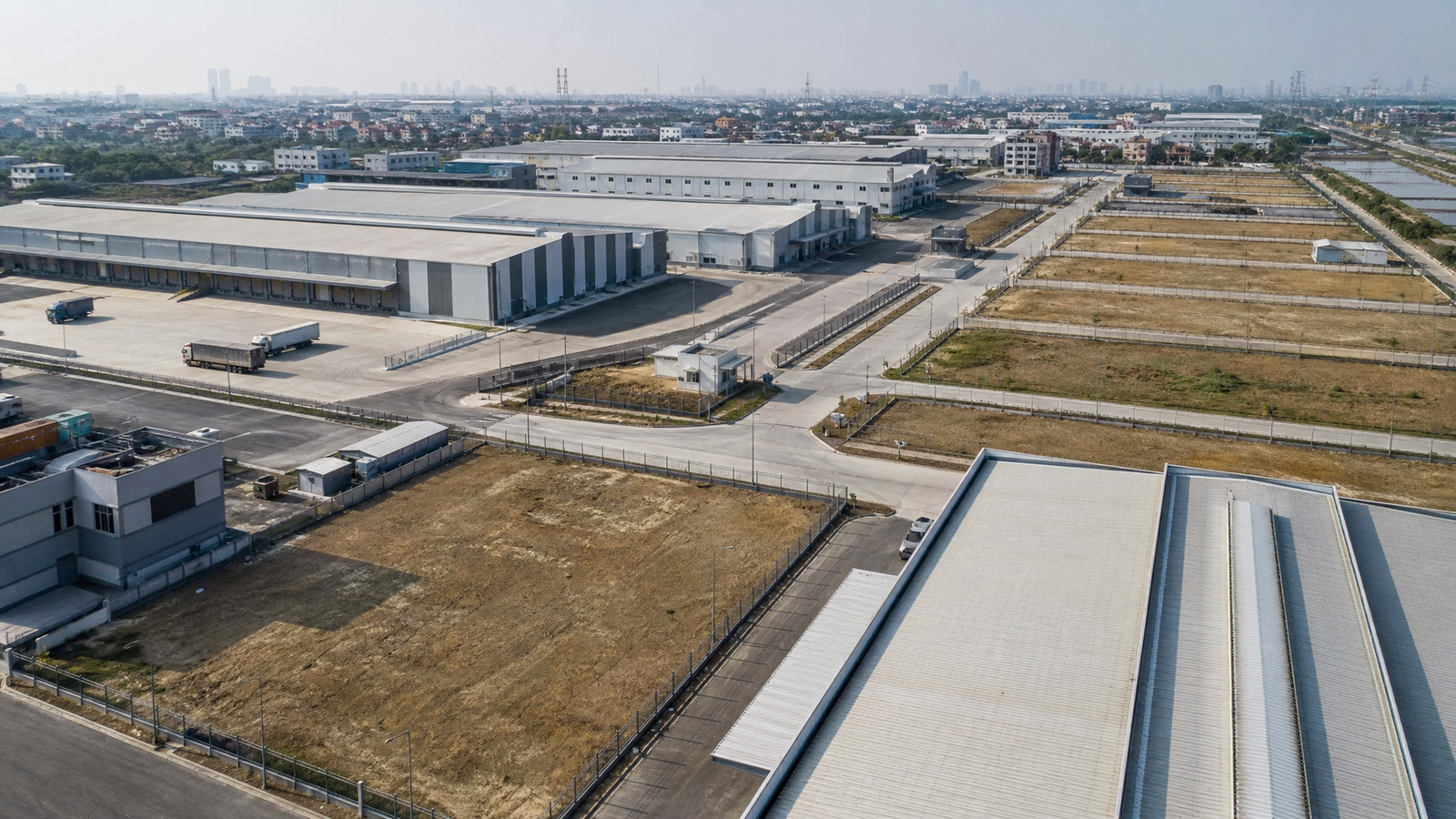
Global FDI is reportedly shifting toward India, Indonesia, Mexico, Poland, and Saudi Arabia. The strategic significance is early industrial positioning, not yet confirmed manufacturing relocation.
-
Huawei-HP Wi-Fi Patent Deal Highlights Enduring US-China Standards Interdependence

Huawei and HP’s Wi-Fi patent deal shows that standards-based IP can preserve commercial interdependence even as geopolitical pressure fragments products and supply chains. The bigger signal is that decoupling may be hardest at the standards layer.
-
Anthropic’s $45 Billion Nscale Deal Signals a New Phase in AI Infrastructure Financing
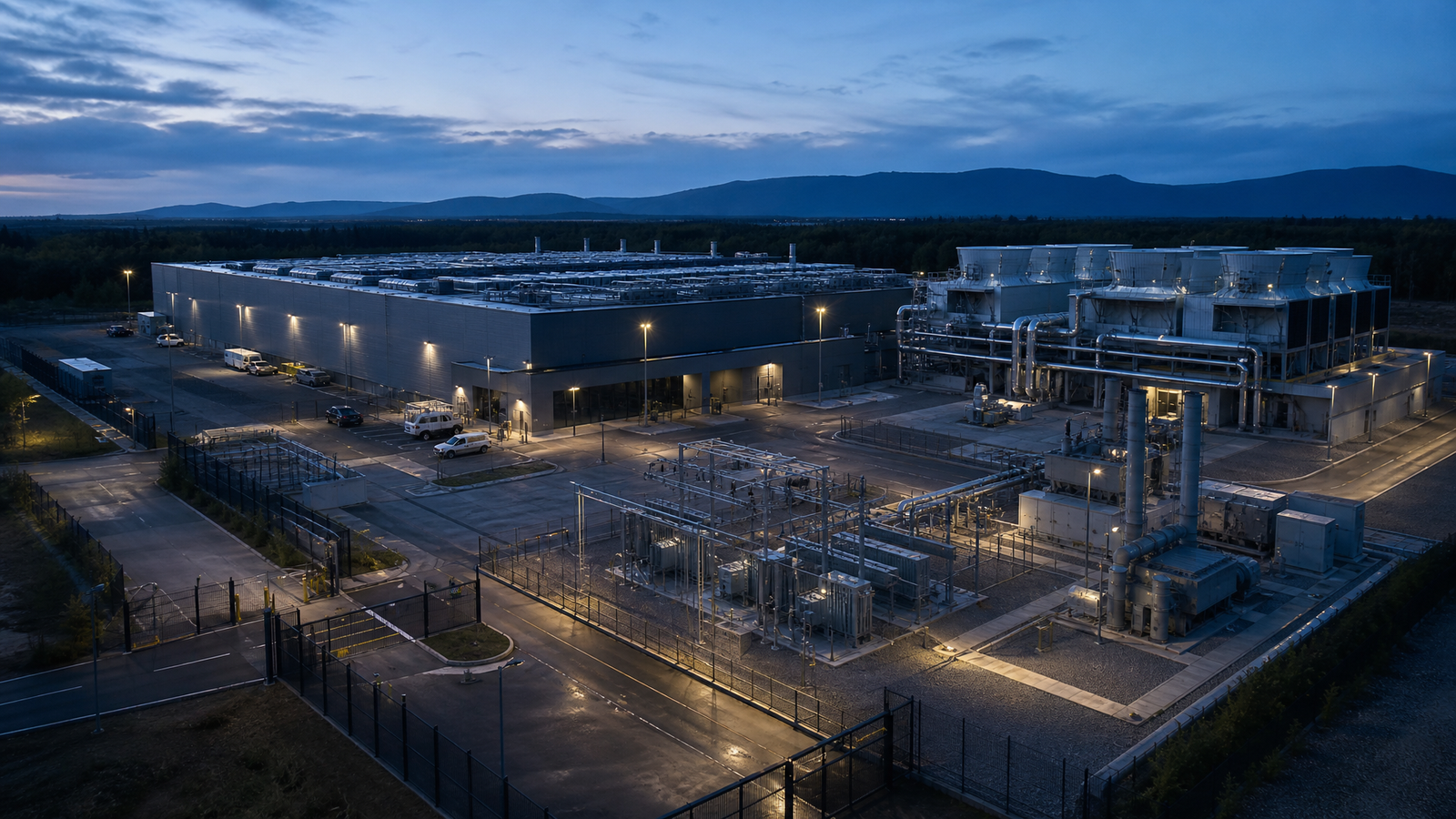
Anthropic’s reported Nscale commitment suggests frontier AI is shifting from chip access alone to integrated control of power, compute, and long-duration capital. For Asia, that raises the stakes for supply chains, data center buildout, and energy-linked infrastructure financing.
-
SK hynix Breaks Ground on $4 Billion Indiana HBM Packaging Facility
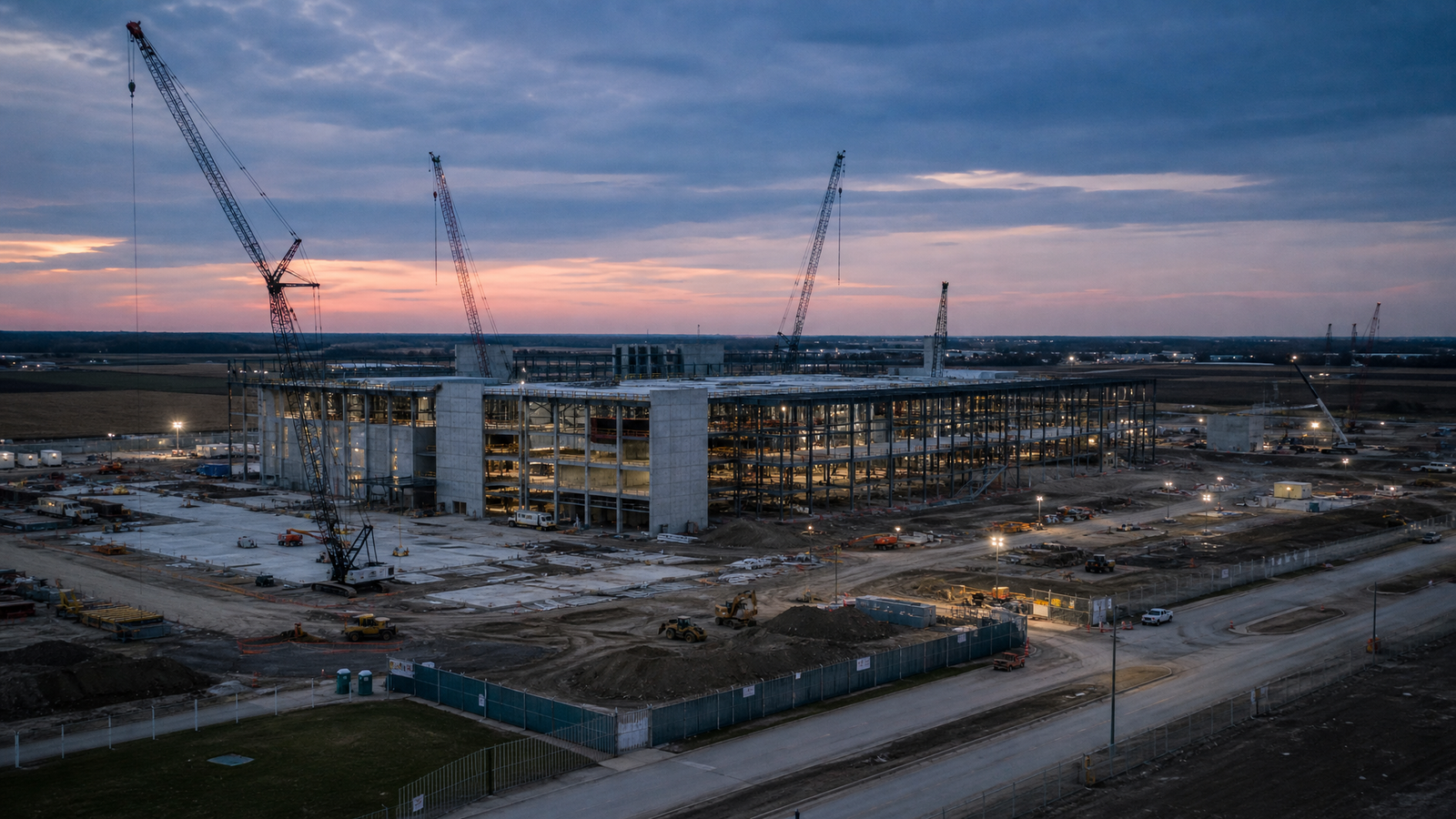
SK hynix’s Indiana project is a long-term move to localize a critical AI packaging step closer to the US market. The bigger signal is advanced packaging becoming a strategic chokepoint in the AI hardware stack, not a near-term HBM supply fix.
-
YMTC’s Wuhan Cluster Expansion Signals China’s Ecosystem Approach to Memory Supply Chains

YMTC’s Wuhan expansion is most important as a signal of semiconductor cluster-building around an anchor memory company. The strategic question is whether supplier concentration can improve resilience and domestic equipment adoption.
-
Why Japan Is Pairing Rapidus’s 2nm Ambitions With Advanced Packaging
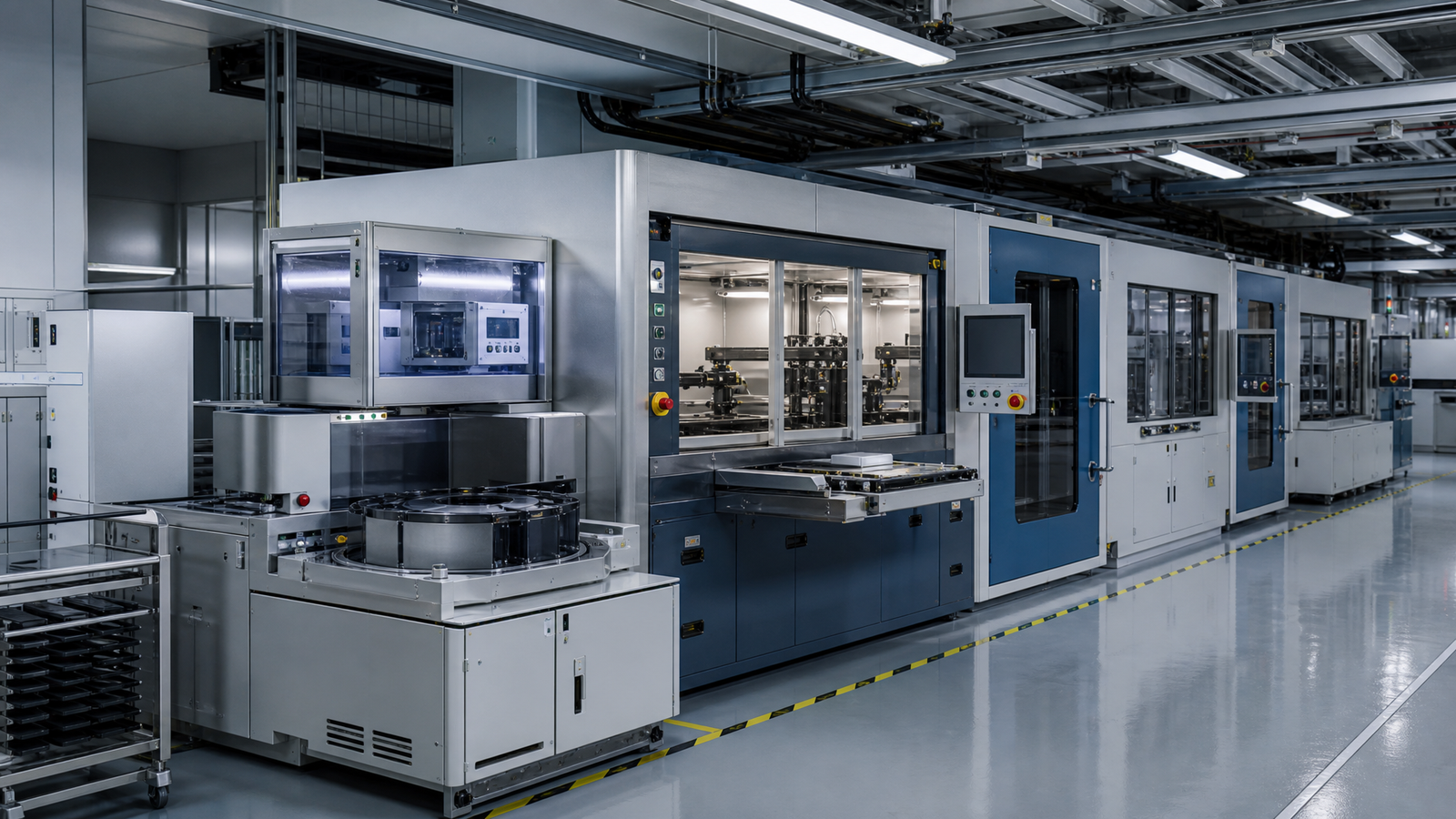
Japan’s Rapidus strategy appears to be expanding beyond leading-edge node ambitions into advanced packaging and chiplet integration. The strategic implication is a broader domestic semiconductor capability stack.