Latest posts
-
Vanguard’s Singapore Expansion Highlights AI’s Growing Pull on Mature-Node Chips
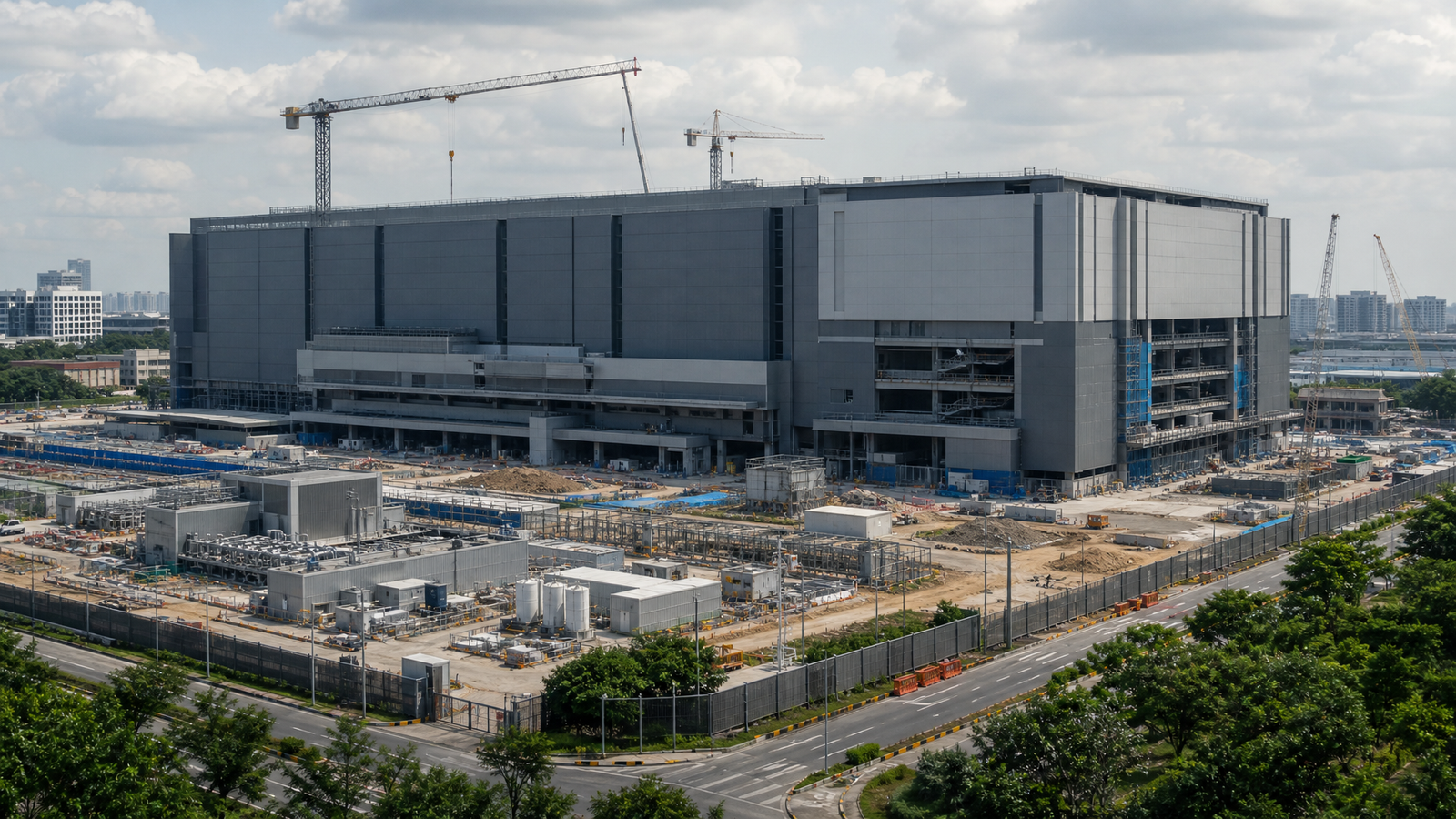
Vanguard International Semiconductor plans NT dollar 60 billion to NT dollar 70 billion in capex for a new 12-inch fab in Singapore. The move suggests AI demand is extending into mature-node power management chips and reshaping capacity planning across Asia.
-
South Korea’s Semiconductor Export Surge Points to Persistent AI Infrastructure Demand
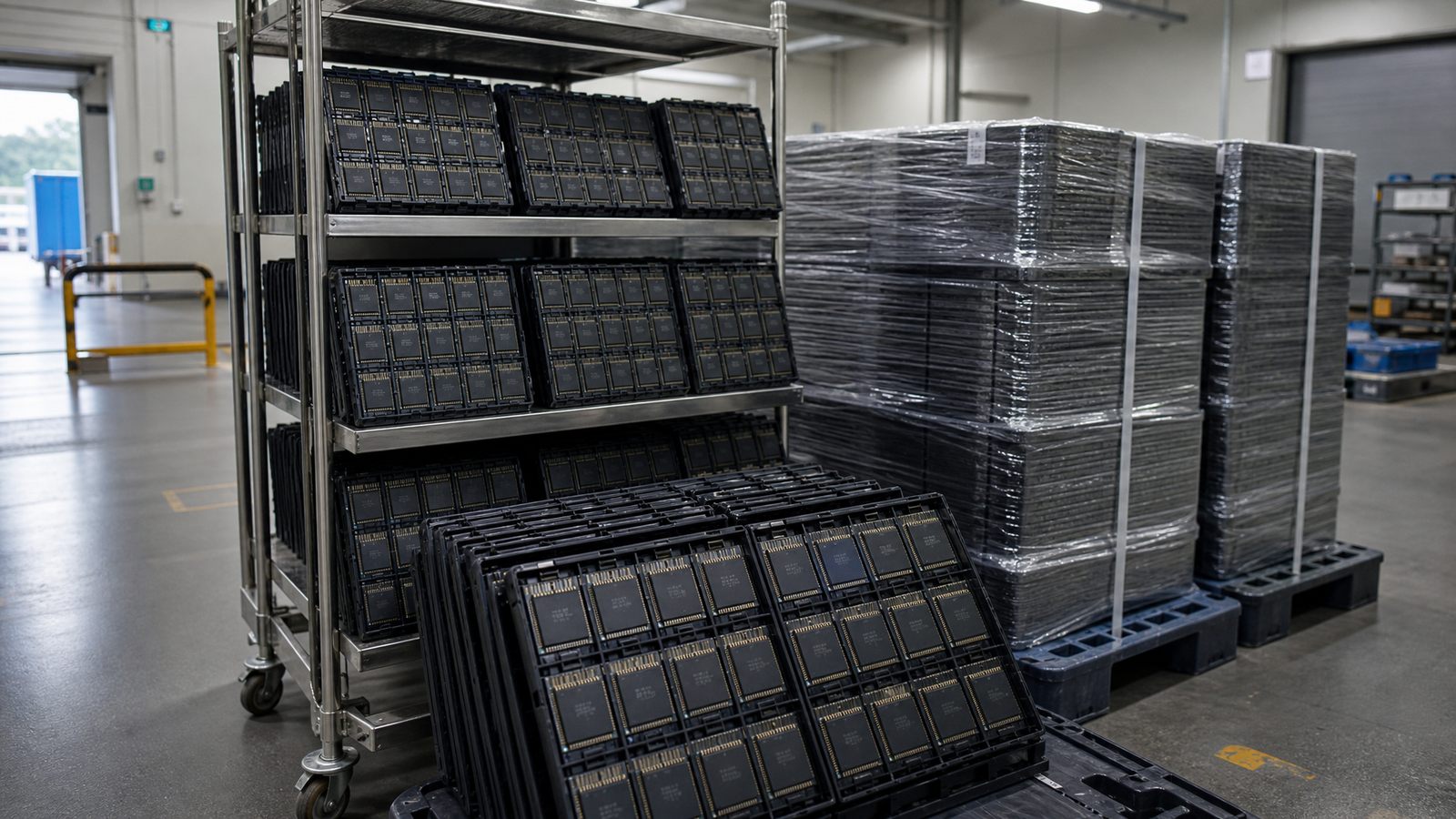
South Korea’s reported semiconductor export surge may signal that AI infrastructure demand is still pushing through the memory cycle’s usual seasonal slowdown. The read-through matters for Samsung Electronics, SK Hynix, and the broader Asian supply chain.
-
Taiwan’s Cyber Defense Gap Is Emerging as a Semiconductor Security Issue

Taiwan’s cyber defense gap is being framed as a semiconductor security issue. The strategic implication is that cyber resilience and chip resilience are becoming inseparable.
-
Moonshot AI’s $3.5 Billion Round Highlights China’s Expanding AI Capital Base

Moonshot AI’s reported 3.5 billion dollar raise may signal that selected Chinese AI firms still have access to major capital despite infrastructure pressure. The potential Hong Kong IPO angle could strengthen the city’s role as a bridge to public-market financing for China’s AI sector.
-
NVIDIA’s Strategic Bet on Safe Superintelligence Signals a New AI Compute Financing Model

NVIDIA’s partnership with Safe Superintelligence may point to a shift from simple hardware sales toward a tighter capital-and-platform model in frontier AI. The deal could also influence demand visibility across Asia’s semiconductor supply chain.
-
CoreWeave’s Indonesia Expansion Signals Southeast Asia’s Rising Role in AI Infrastructure
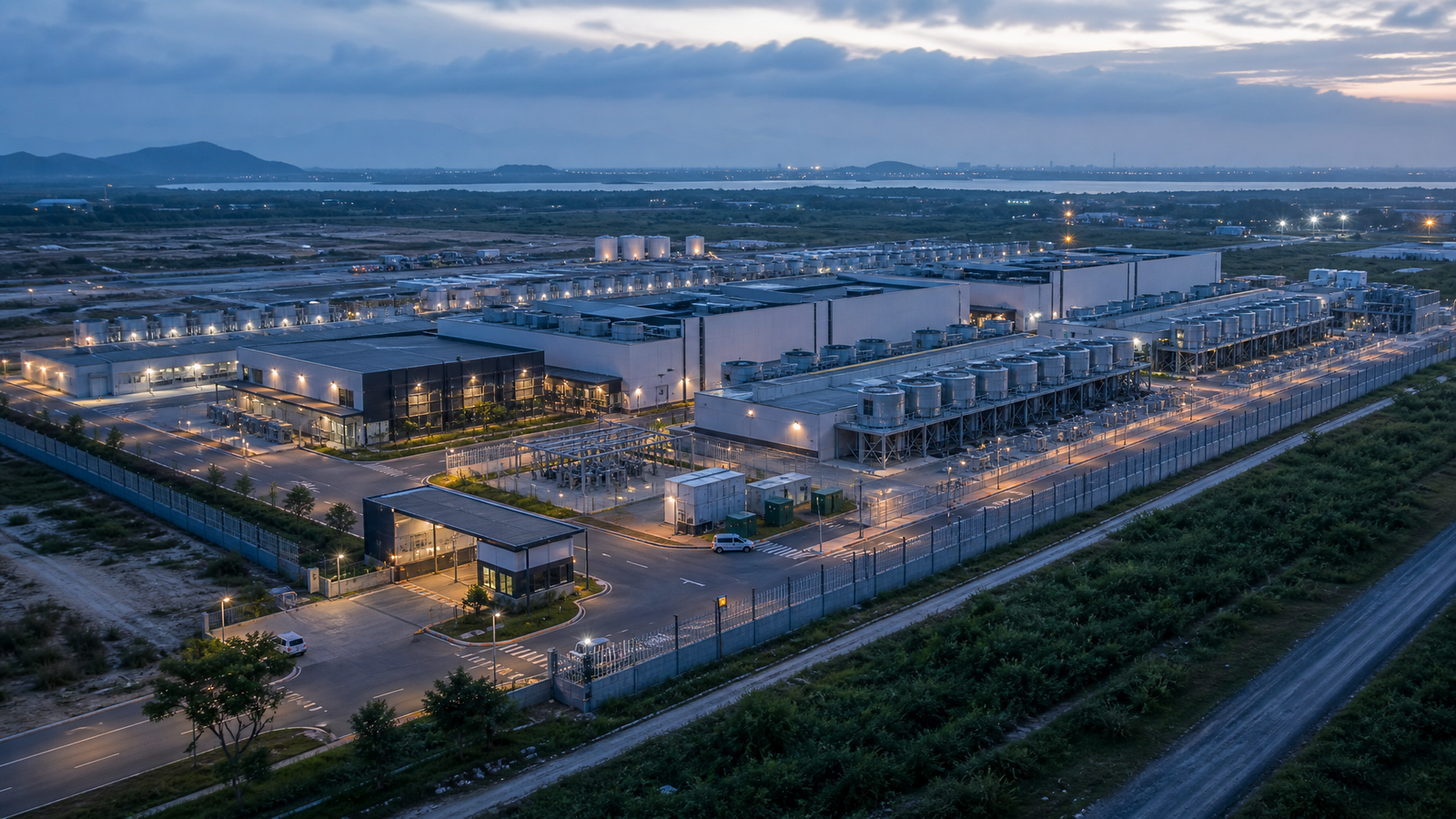
CoreWeave’s reported Indonesia expansion could mark a wider shift in where AI infrastructure gets built in Asia. The plan underscores the growing importance of power, land, and execution capacity in Southeast Asia.
-
EU AI Act Enforcement Raises Governance Stakes for Asia’s AI Exporters

The EU AI Act’s enforcement phase may shift AI from a fast-moving product feature to a governed business function. For companies serving Europe, that could affect product design, vendor oversight, disclosures, and internal controls.
-
Shanghai’s Expanding AI Registry Signals China’s Structured Commercialization Path

Shanghai added 11 more generative AI services to its completed registration list, bringing the total to 211. The shift matters less as a tally than as a signal that compliance is becoming part of commercialization in China.
-
AXT-Lumentum Indium Phosphide Agreement Highlights Long-Term Supply Planning in Photonics Materials

AXT’s agreement with Lumentum goes beyond a standard wafer supply deal. The long-term reservation structure and upfront deposits point to rising value placed on supply assurance and planning certainty.
-
Alibaba’s Qwen3.8 Signals China’s Push for Compute-Efficient Frontier AI

Alibaba’s Qwen3.8 may matter less for its size than for what it signals about China’s frontier AI strategy. The model points toward compute-efficient deployment and enterprise use cases.