Latest posts
-
Trump’s Power Equipment Ban Highlights a Wider Infrastructure Risk Beyond US Energy Storage
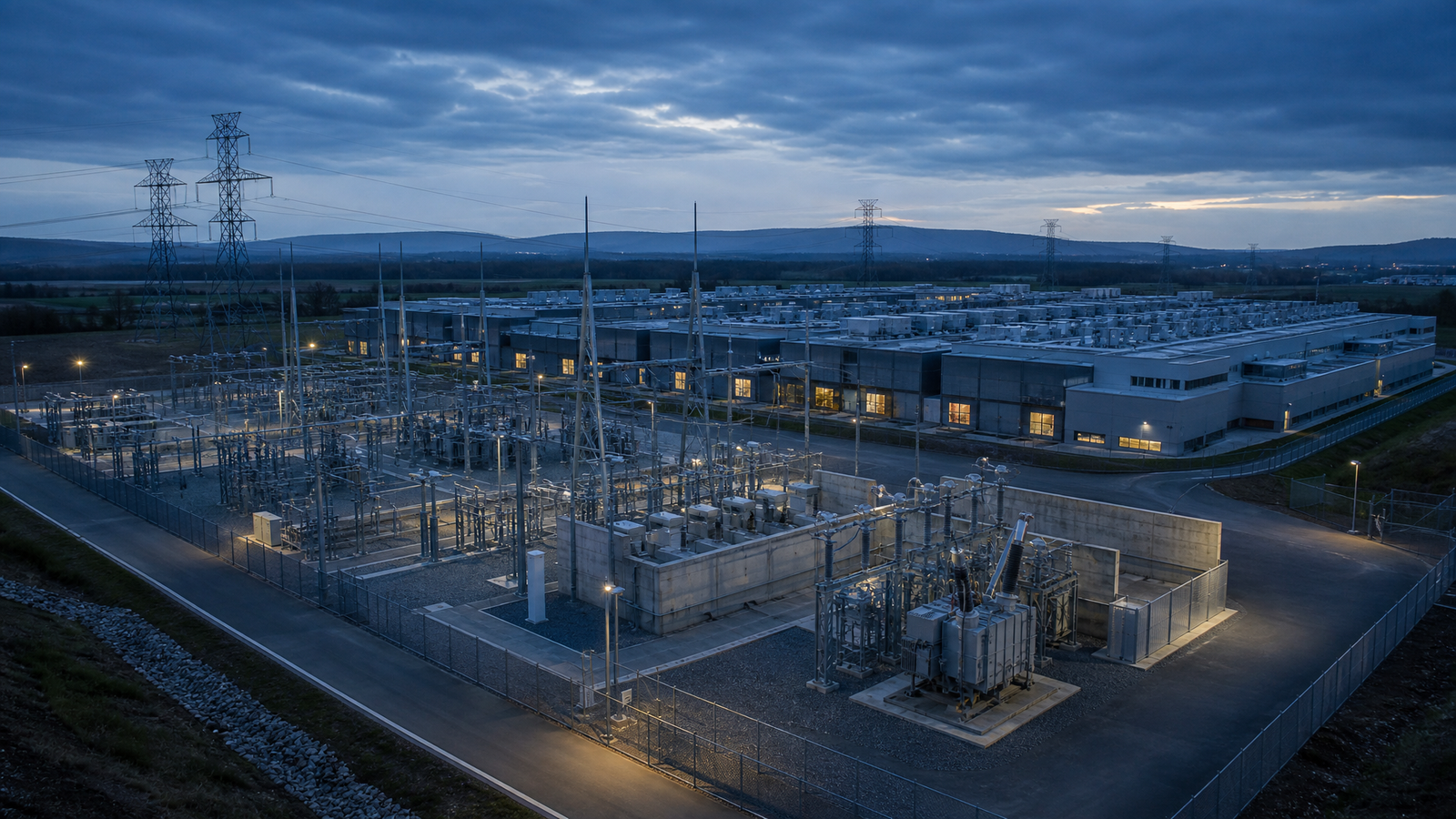
The reported US power equipment ban is framed as an immediate supply chain threat to the BESS market. The wider implication is that power hardware could become a new constraint on AI infrastructure growth.
-
Samsung and ASML Set 2028 Target for High NA EUV in DRAM
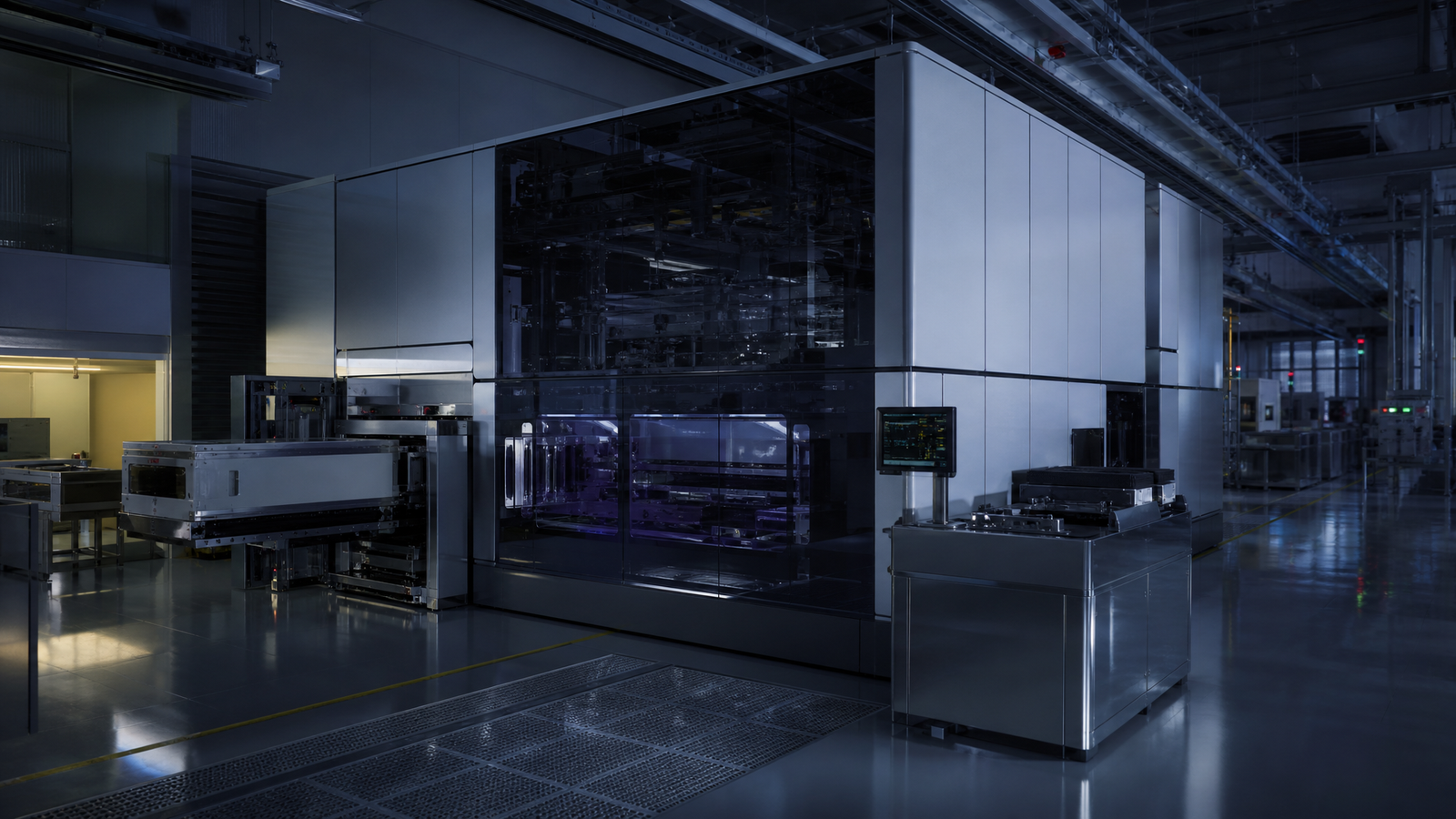
Samsung and ASML’s 2028 High NA EUV target looks less like a tool milestone and more like an ecosystem test. The linked move toward 12-inch photomasks suggests next-generation DRAM scaling depends on coordinated manufacturing readiness.
-
Samsung and SK Hynix Push Back on KEPCO’s $23.6 Billion Power Prepayment Plan
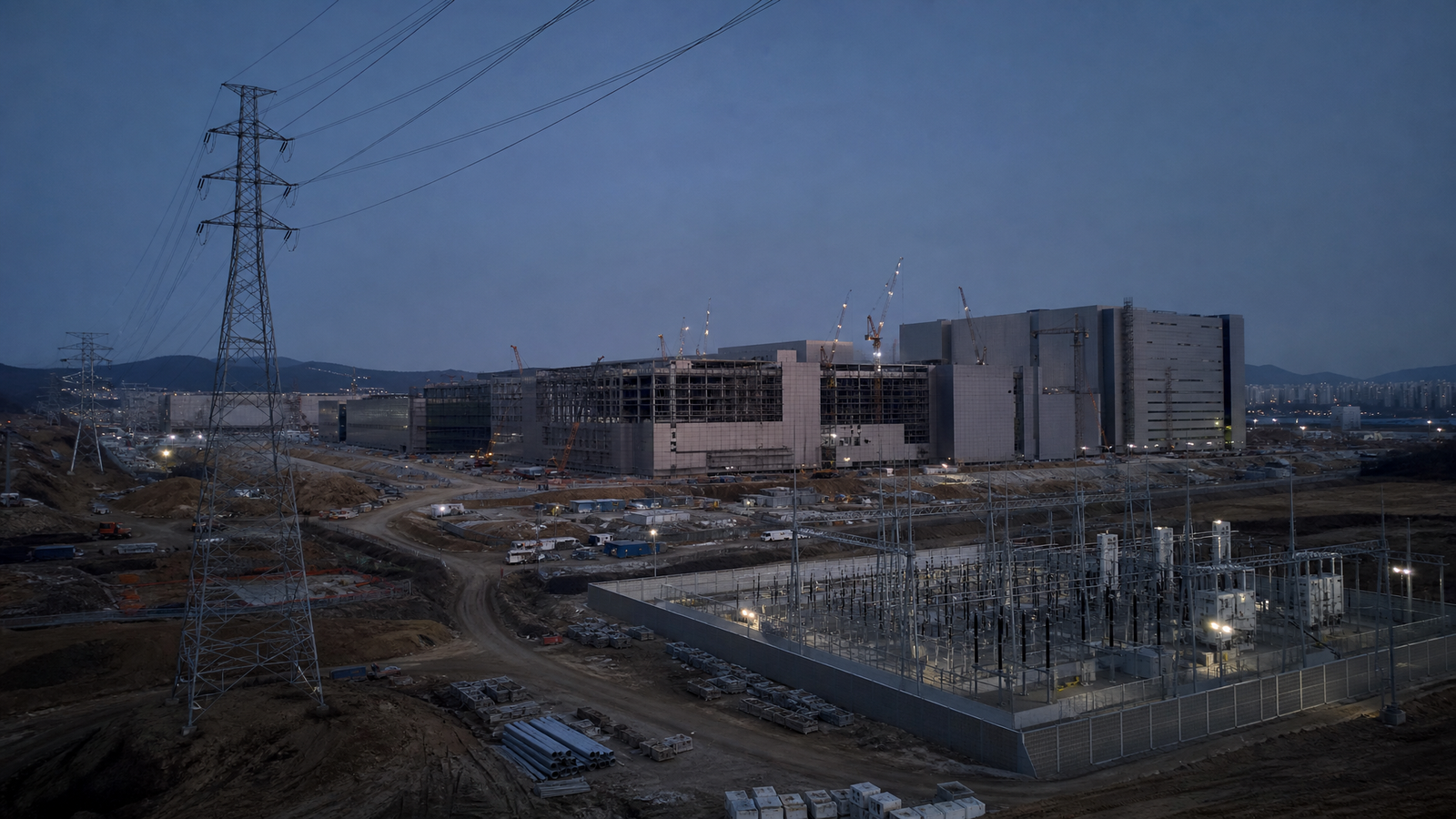
Samsung and SK Hynix’s reported rejection of KEPCO’s upfront power proposal highlights how semiconductor expansion now hinges on infrastructure risk-sharing. The challenge is not just building fabs, but deciding who pays for the grid before demand is fully visible.
-
Pentagon’s Reported US$5B Fluidstack Talks Highlight a New Front in AI Infrastructure Policy
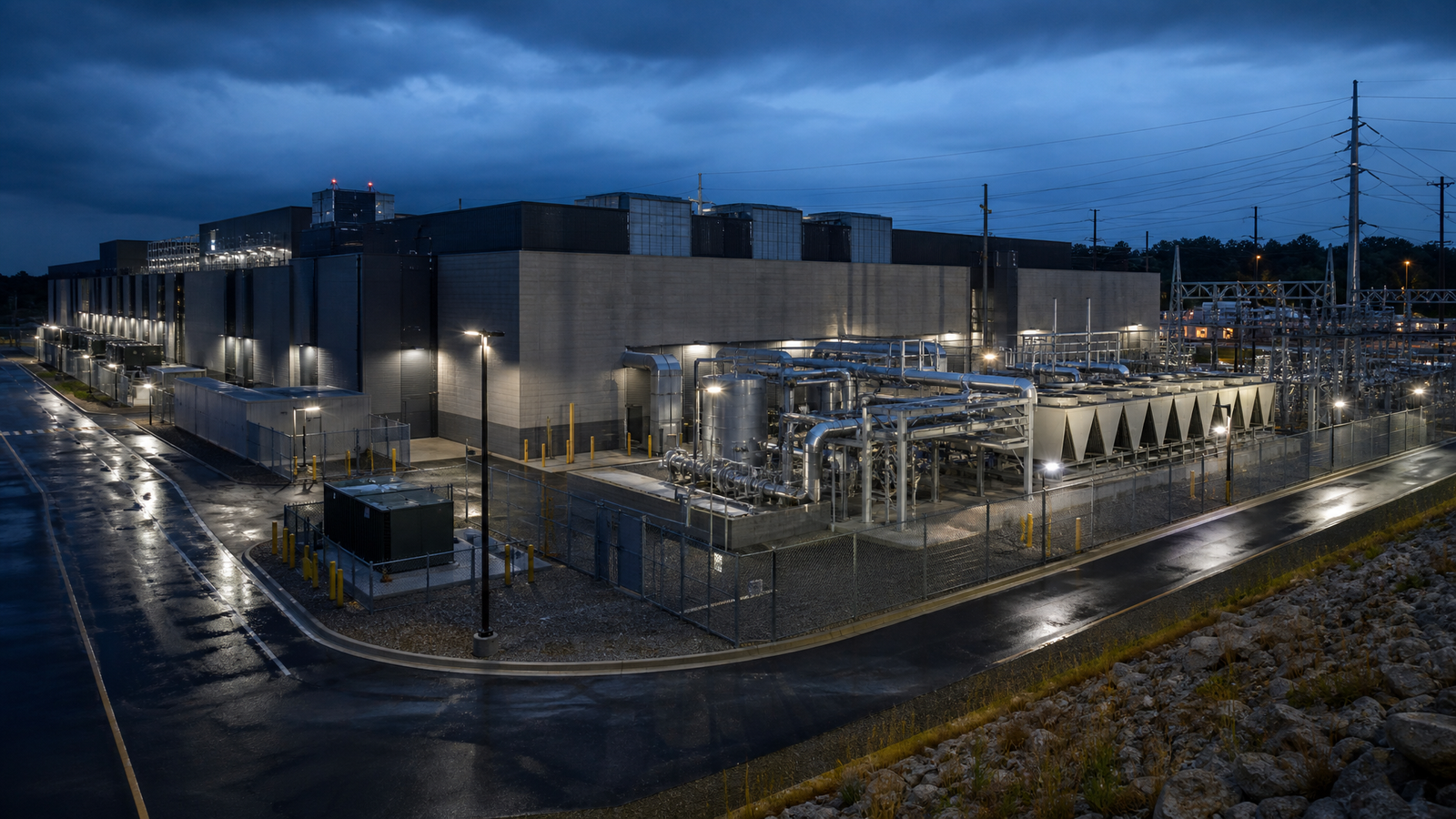
Reported talks over a potential Pentagon loan to Fluidstack suggest US AI policy may be expanding beyond chips into data center power and cooling infrastructure. The shift could reshape supplier positioning across Asia-linked supply chains.
-
ASML Extends Lithography Lead as Asian Chipmakers Prepare for High NA
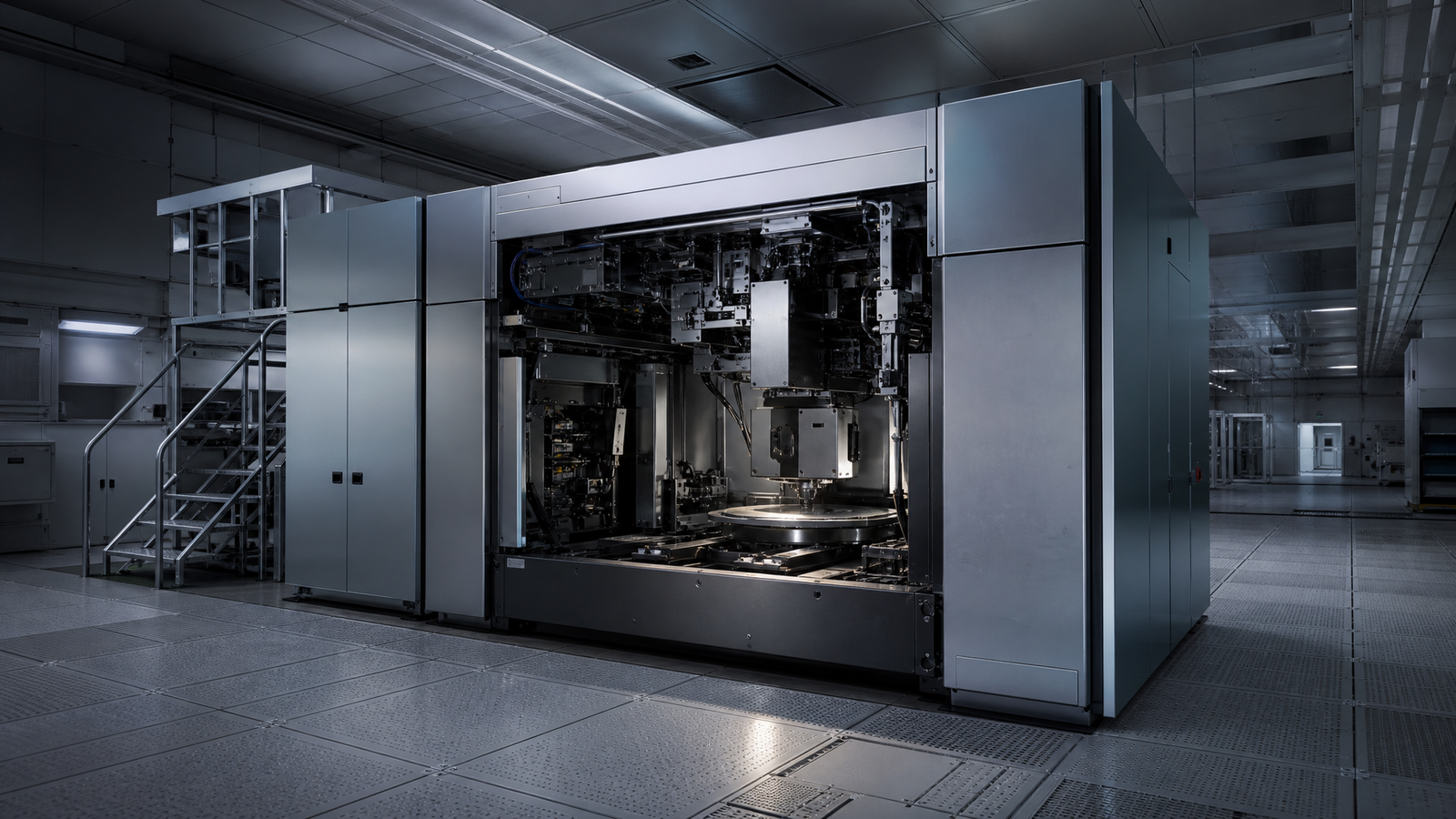
ASML’s EUV tools are reportedly sold out through 2027, while TSMC, Samsung, and SK Hynix target High NA production from 2028. The shift could make tool access and delivery timing a major constraint on Asia’s advanced chip roadmaps.
-
TSMC’s Reported 2027 Capacity Push Puts 2nm, 3nm, and CoWoS at the Center of AI Supply
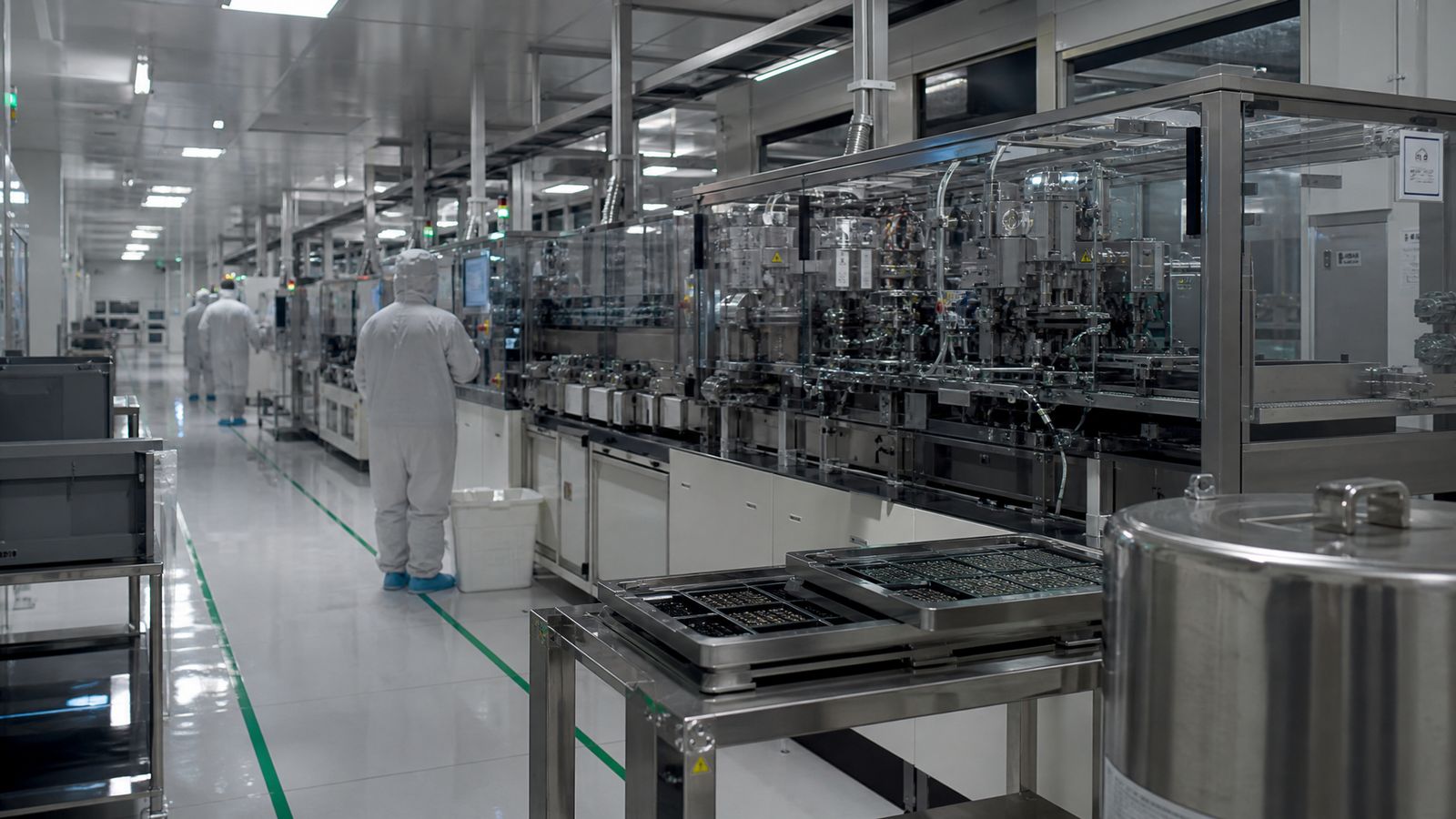
TSMC’s reported expansion is strategically important because it pairs leading-edge wafer growth with a plan to double CoWoS packaging. The result is a clearer view of where AI hardware supply may still be constrained.
-
Seoul’s UAE Assessment Team Signals a New Hormuz Risk Test for Asian Industry
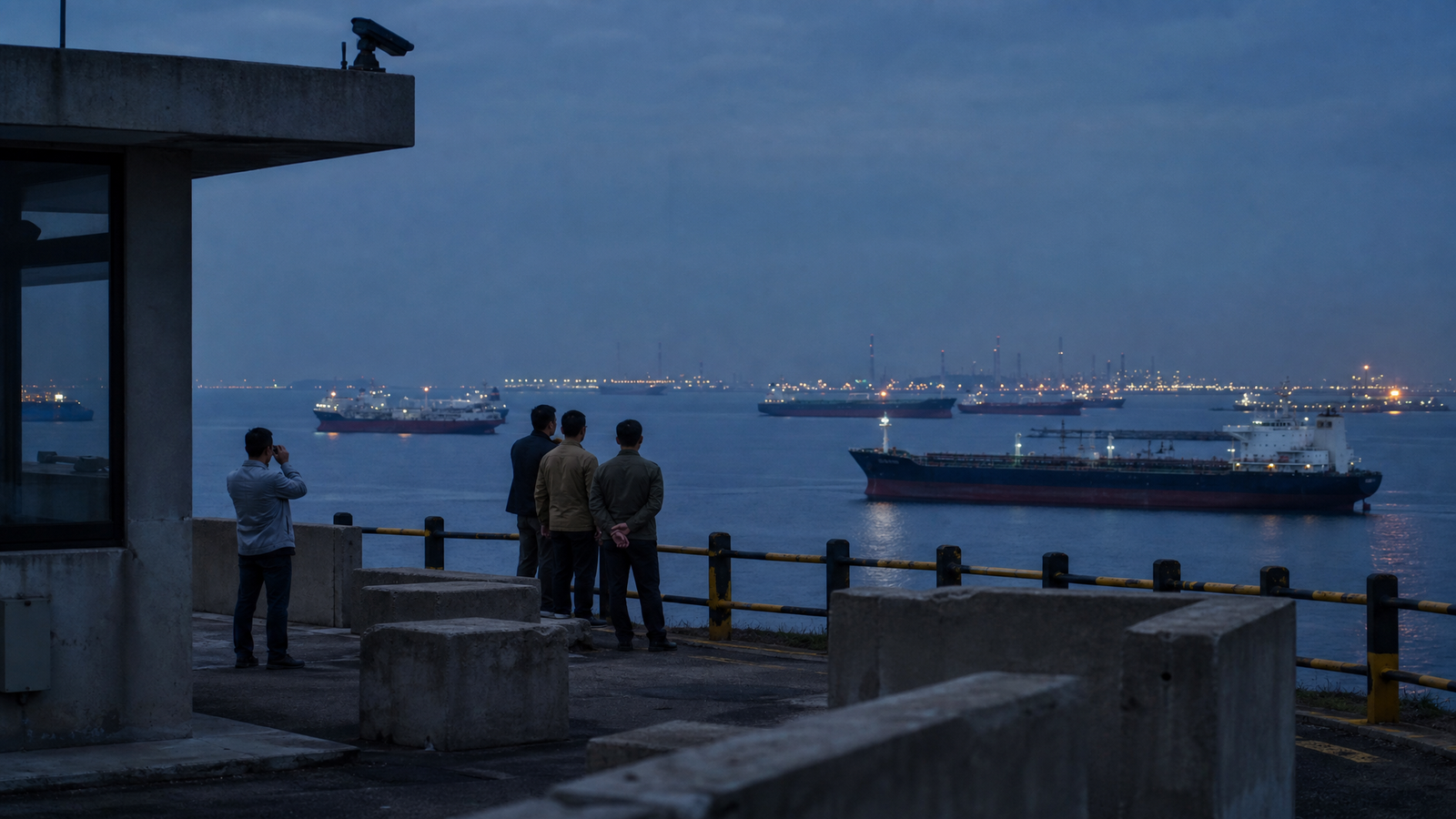
South Korea’s assessment mission tied to the Strait of Hormuz is less a deployment story than a signal of energy risk for Asia’s tech base. The key concern is how maritime instability could affect semiconductor and manufacturing resilience.
-
Thailand’s Projected 570-Billion-Baht Data Center Boom Signals a New Phase in Southeast Asia’s AI Buildout
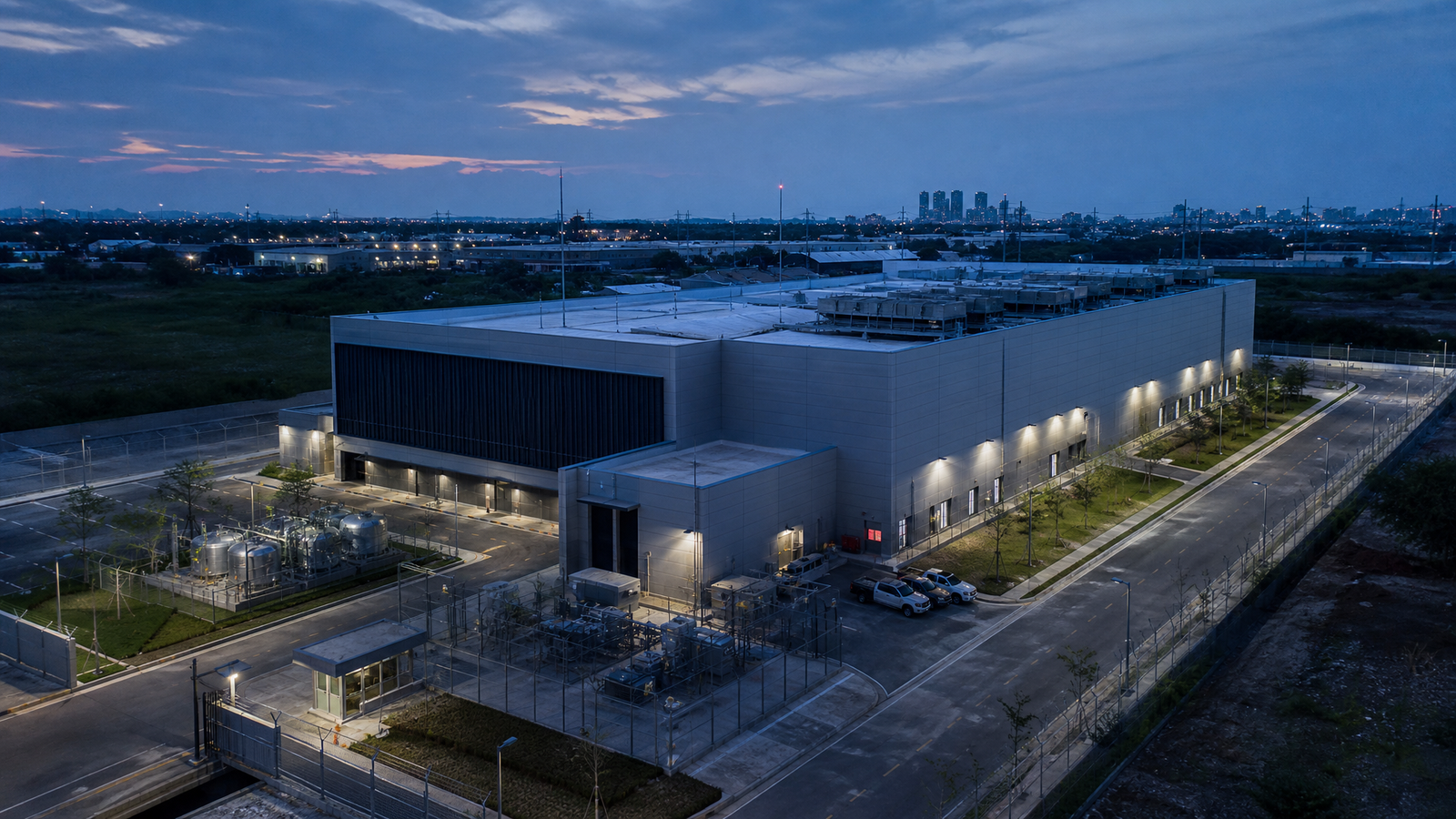
Thailand’s projected 15.9 billion dollar data center pipeline may be more important as a signal than as a final investment tally. If demand keeps spreading beyond established hubs, Thailand could emerge as a new AI infrastructure node.
-
Singapore and Malaysia Split the Advanced Packaging Value Chain
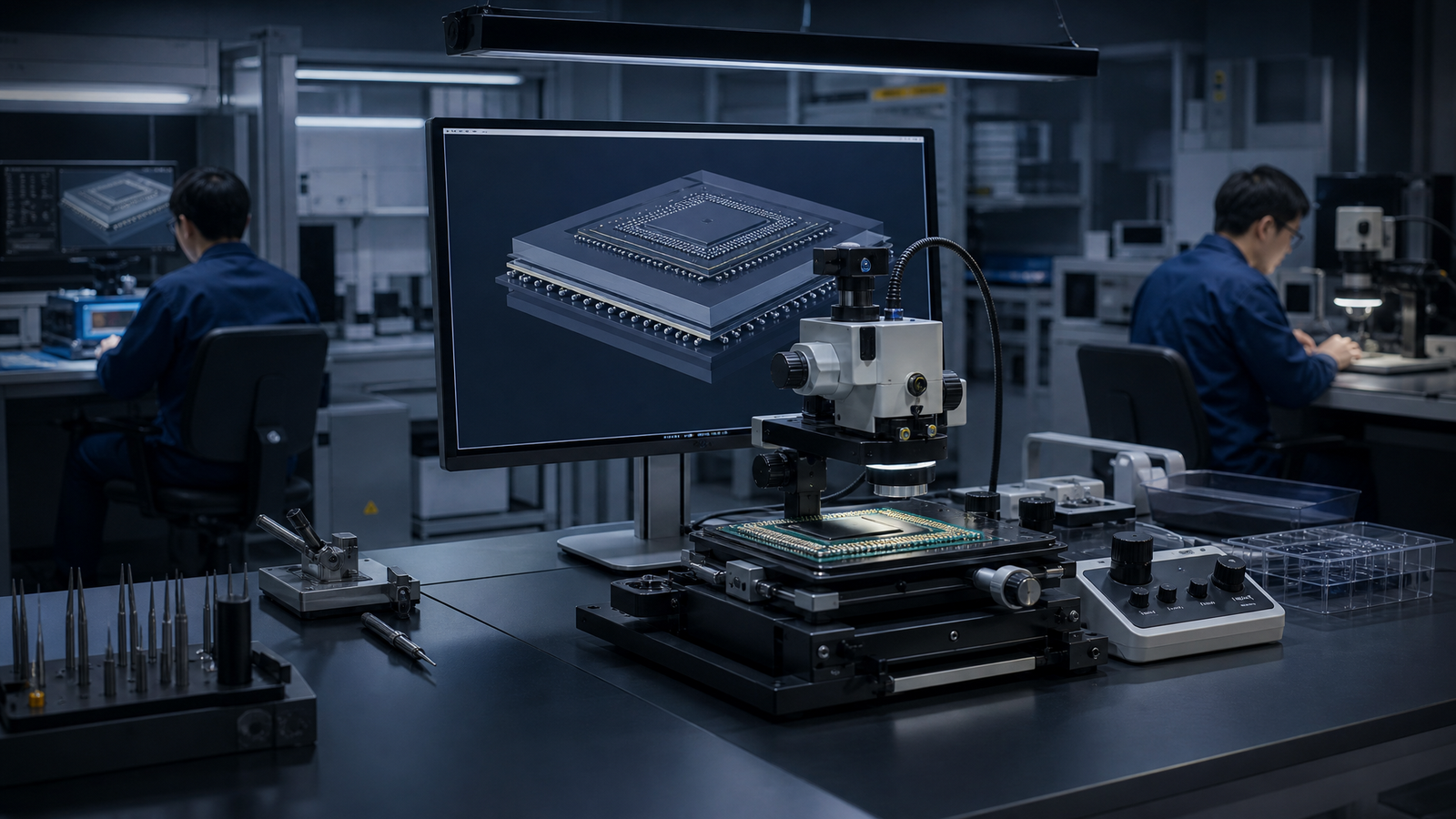
Singapore and Malaysia appear to be taking different roles in advanced packaging. The split could deepen Southeast Asia’s semiconductor relevance through specialization rather than direct competition.
-
Huawei’s New York Trial Puts a Long-Running US-China Tech Conflict Into Court

Huawei’s New York trial matters less as a standalone courtroom event than as a signal that legal exposure is becoming a structural force in US-China technology competition. The case highlights how compliance risk can reshape supply chains, financing, and market access across Asia’s tech sector.