Latest posts
-
Two-Front Squeeze: Washington and Beijing Tighten Oversight of Chinese Supply Chains

Beijing and Washington are reportedly tightening trade oversight from both ends, narrowing Asia’s supply-chain gray zone. The shift could favor verifiable local manufacturing over simple routing models.
-
Japan Backs First Shipyard Revival Projects With $1.36 Billion
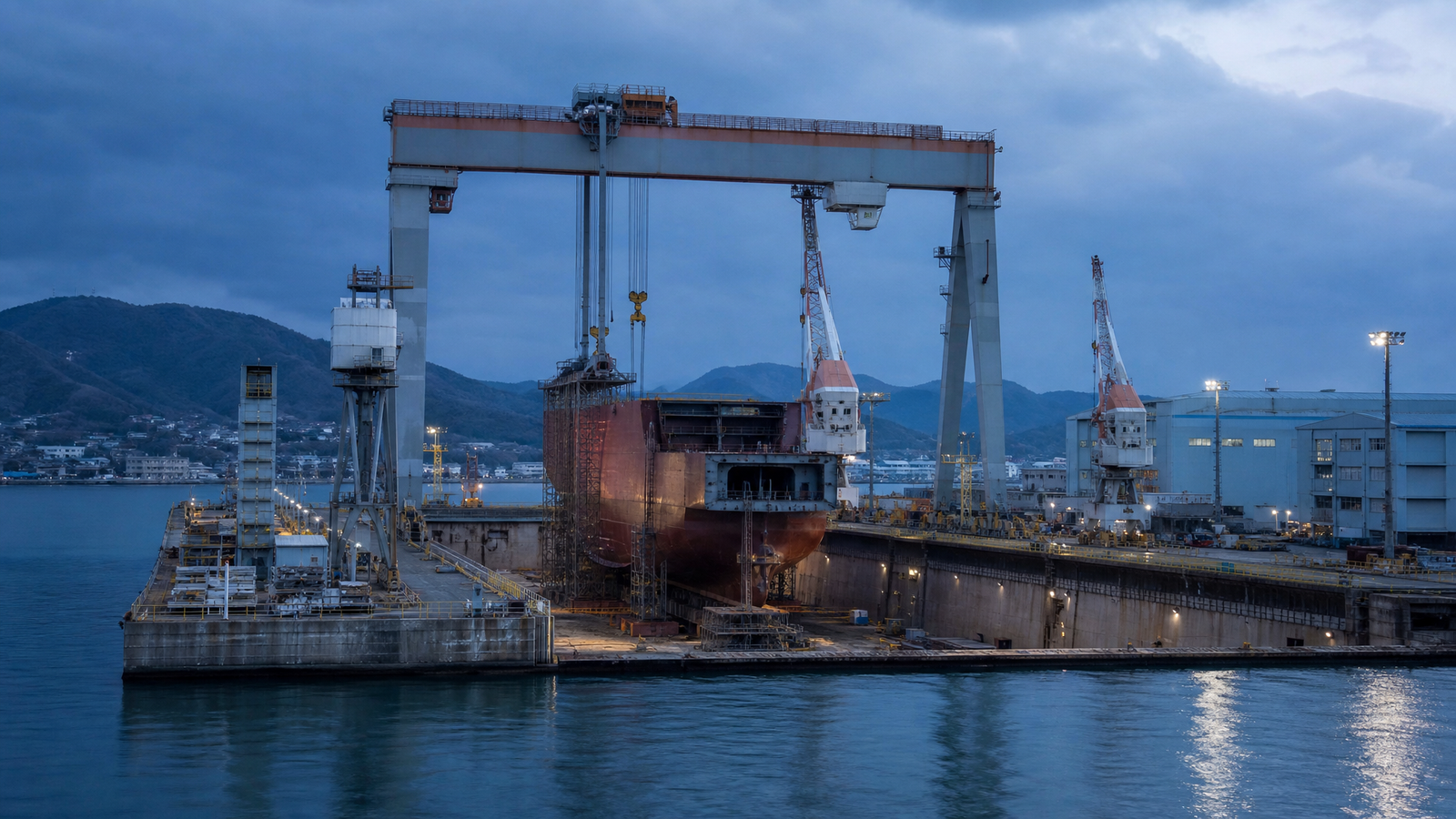
Japan’s first shipyard revival package is a strategic signal, not just a shipping headline. It points to broader state support for foundational manufacturing capacity, with execution still the key test.
-
US-China AI Rift Deepens Over Reported Model Theft Claims

The US-China AI conflict may be expanding from chip controls into AI model governance. That shift could reshape software access, sourcing, and compliance across Asia.
-
Kioxia Rules Out SK Hynix Manufacturing Tie-Up as AI-Era Memory Capex Rises
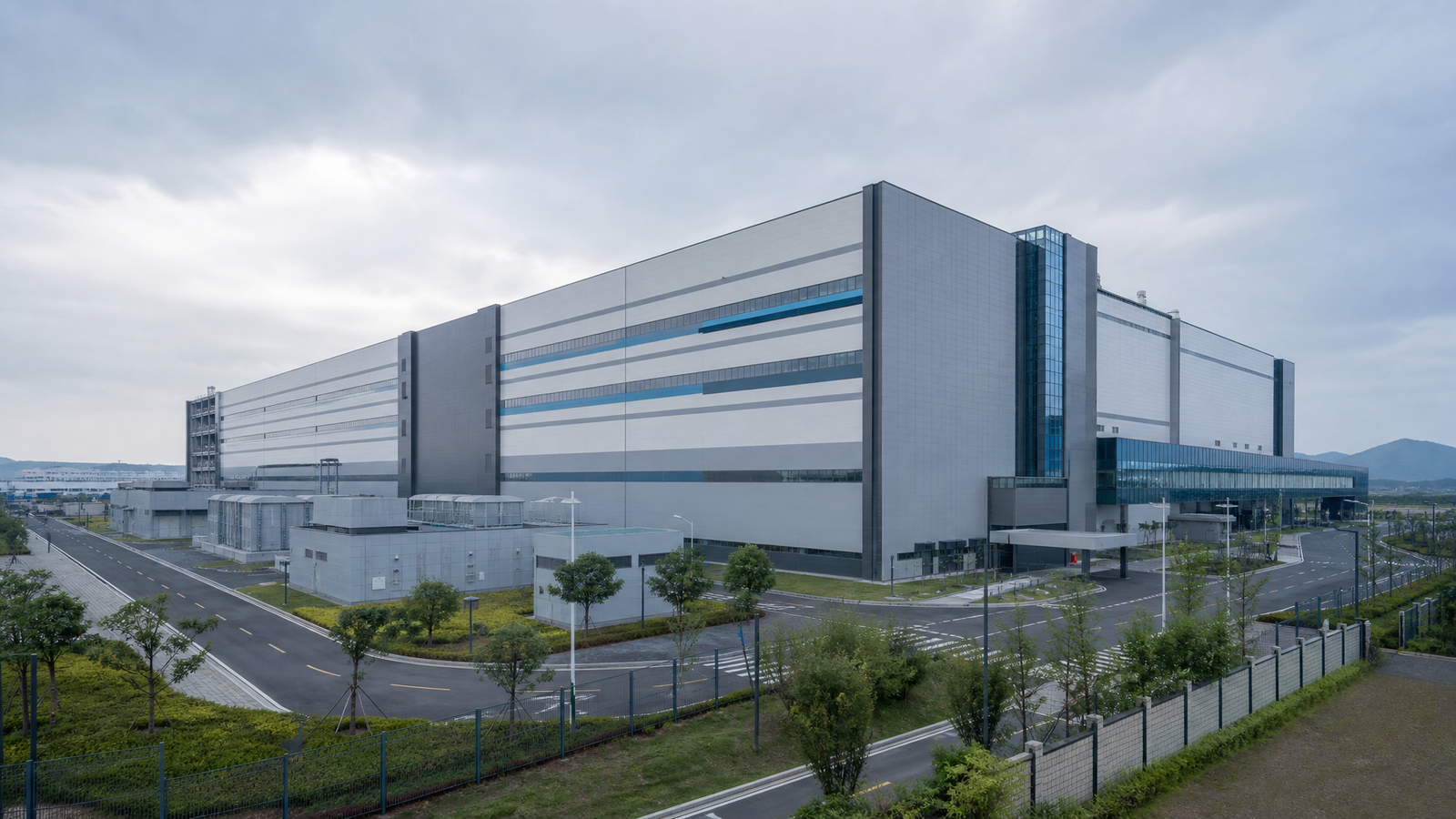
Kioxia’s reported rejection of an SK Hynix manufacturing tie-up suggests AI-era memory expansion may remain fragmented. Antitrust pressure and legacy joint-venture structures are still shaping investment paths.
-
Nvidia Chip Export Loophole Raises Questions Ahead of Planned US-China AI Summit
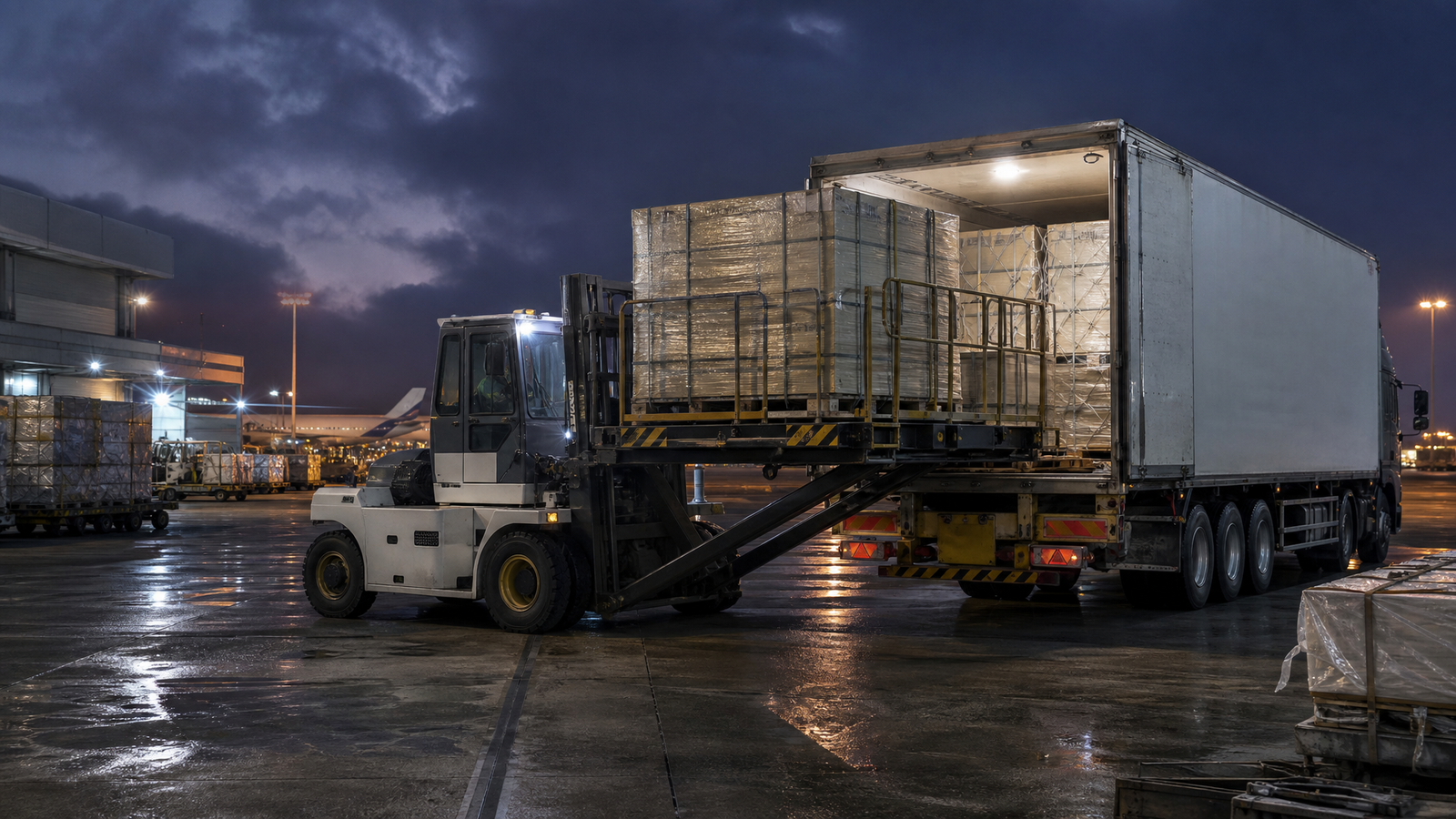
A reported loophole may have allowed blacklisted Chinese server maker Aivres to move advanced Nvidia AI systems into Southeast Asia. The bigger strategic issue is whether US export controls are stronger on paper than in practice.
-
Flex’s EPC Power Deal Highlights a Strategic Shift in AI Power Infrastructure
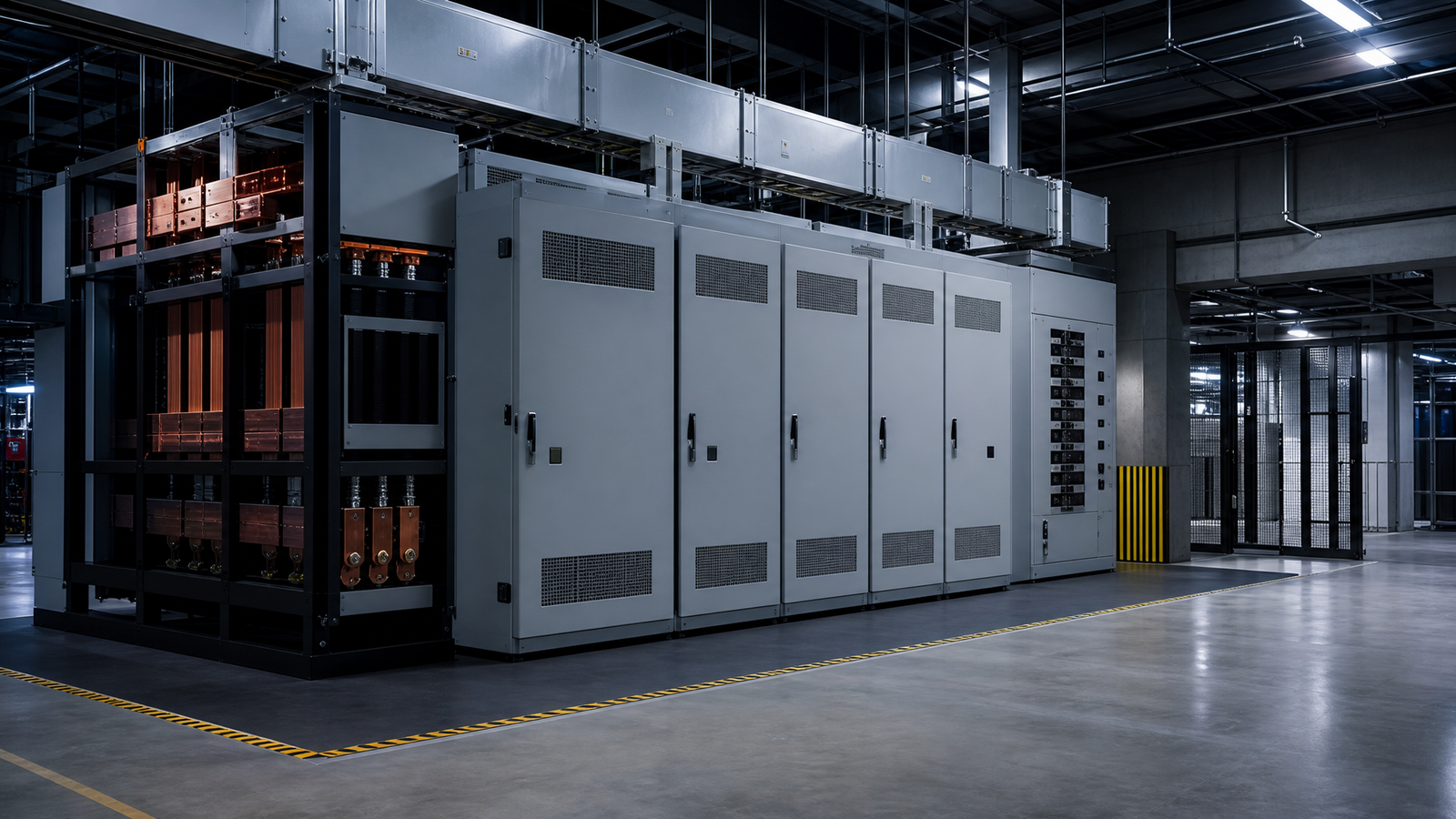
Flex’s EPC Power deal suggests AI infrastructure is being revalued around power conversion, not just compute. The shift may create new value in data centers and supply chains across Asia.
-
Intel and ASML’s High NA EUV Milestone Carries Strategic Weight Beyond a Single Chip Program
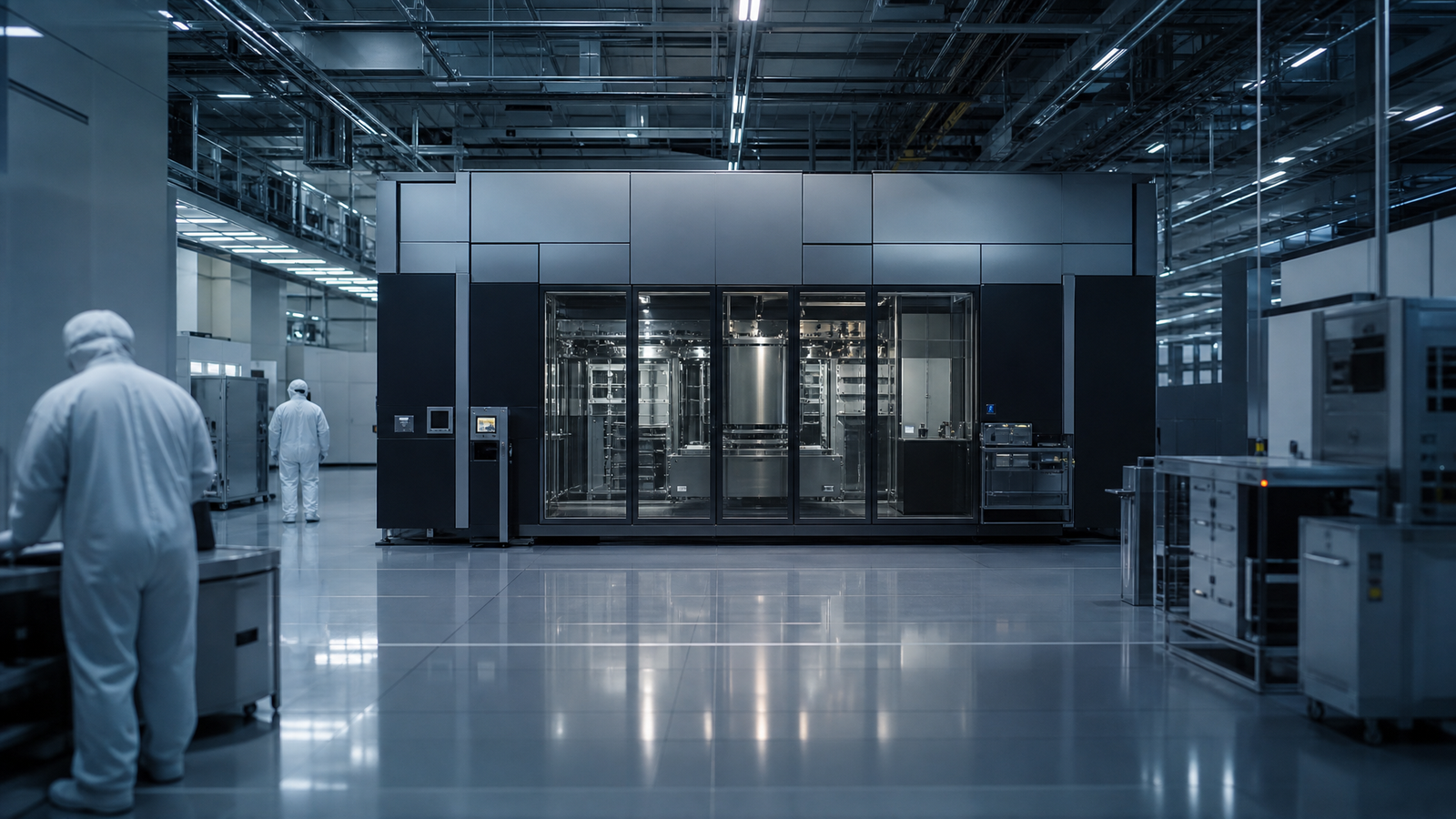
Intel and ASML’s reported High NA EUV milestone suggests next-generation lithography is moving from technical promise toward operational deployment. The shift could affect foundry strategy, equipment demand, and capital allocation across Asia.
-
Samsung and ASML Deepen Semiconductor Collaboration Around High NA EUV and Future DRAM
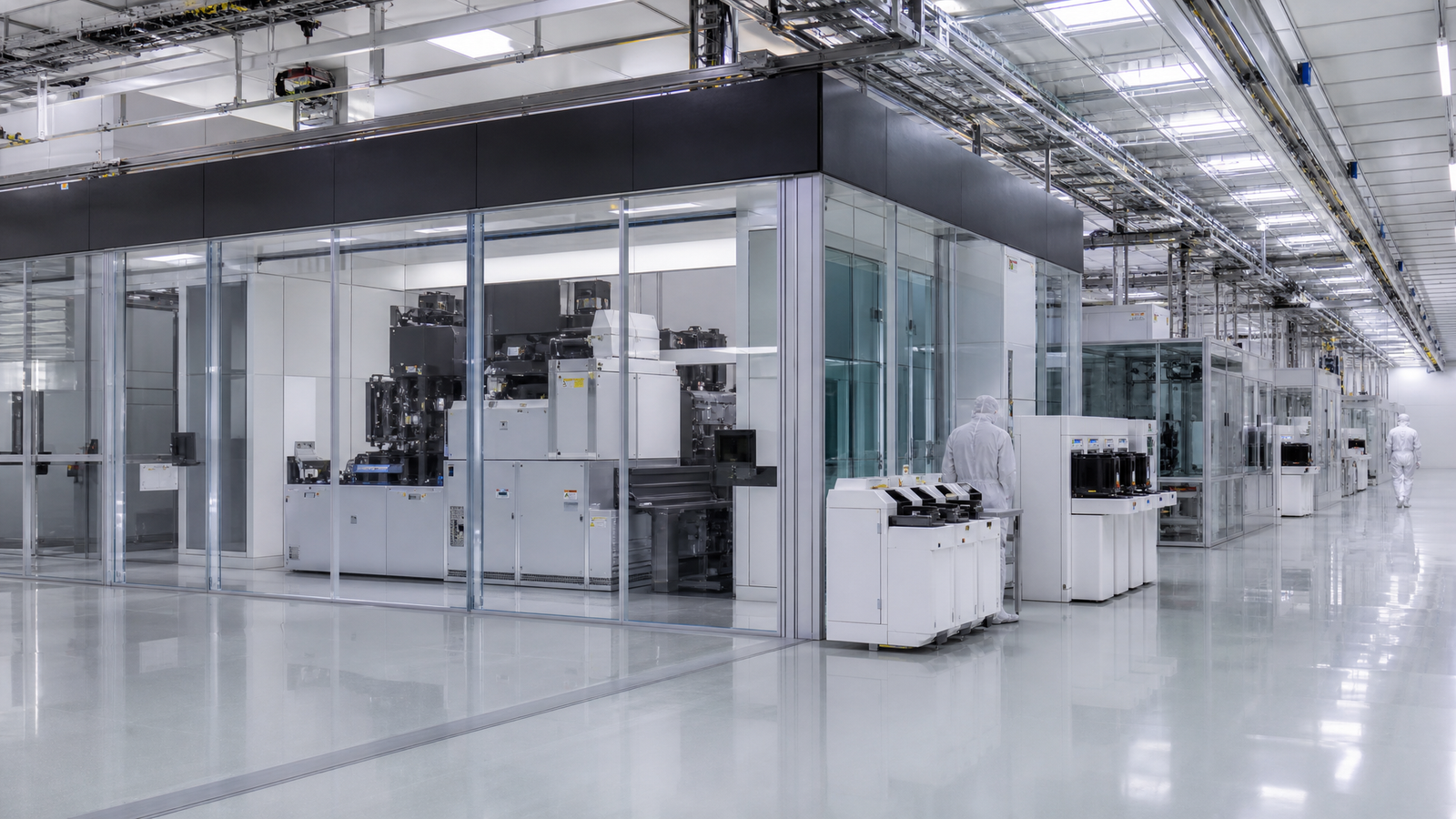
Samsung’s expanded ASML collaboration suggests next-generation lithography could move beyond logic and into future DRAM. The move points to tighter links between memory competitiveness, mask infrastructure, and frontier tooling, though timing and production impact remain unproven.
-
China’s Revised Mobilization Law Sharpens Dual-Use Risk for AI and Drone Firms
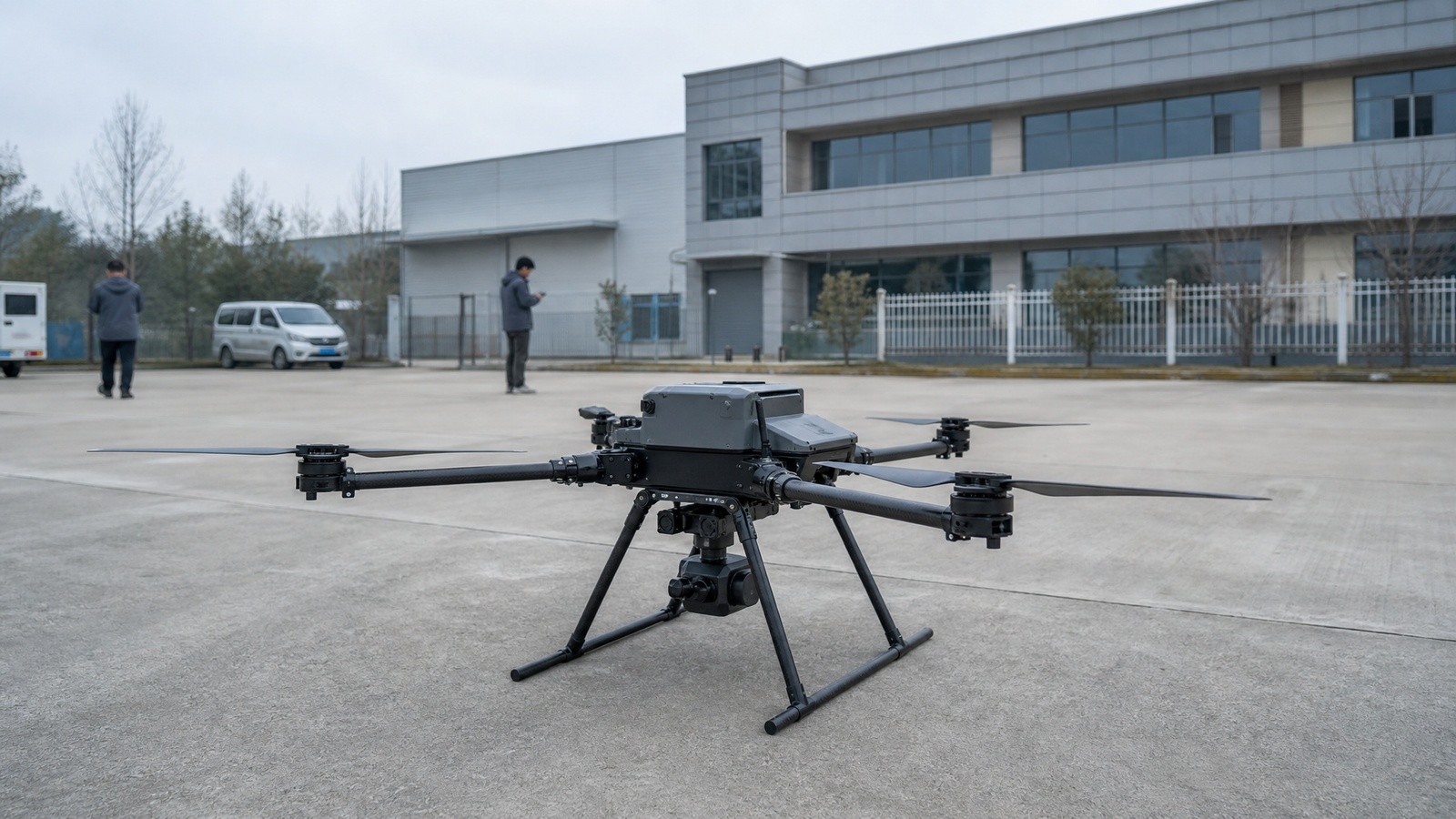
China’s revised mobilization law appears to give Beijing a clearer legal path to redirect commercial AI and drone assets in a crisis. The strategic issue is not immediate seizure, but a more formal link between dual-use tech and state security priorities.
-
Egypt Becomes a Proving Ground for the US-China AI Infrastructure Rivalry
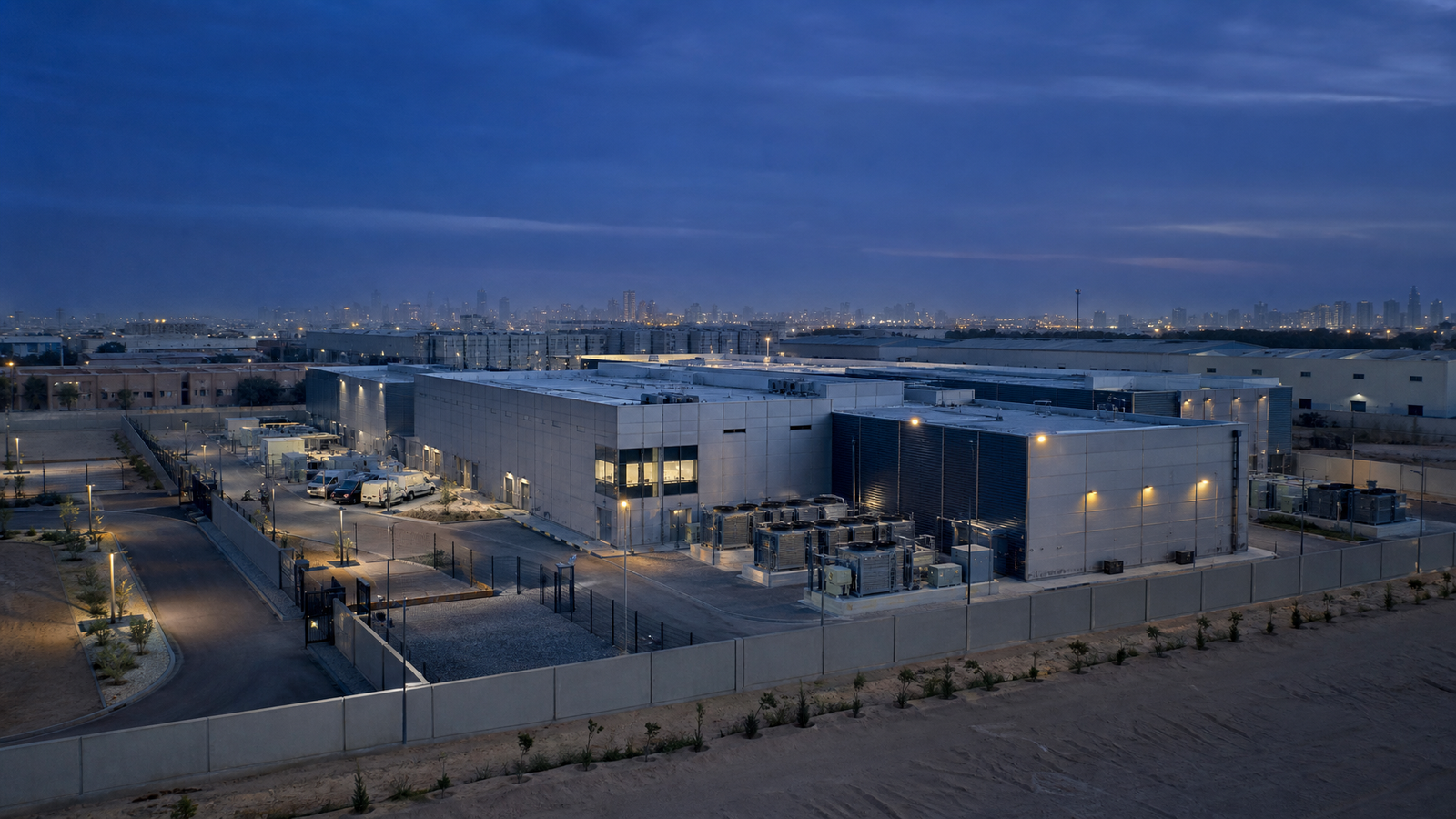
Egypt’s AI data-center contest is becoming more than a vendor decision. A Huawei bid and a US-backed Nvidia-Microsoft counteroffer show how infrastructure choices can shape long-term ecosystem dependence.