Latest posts
-
When AI Fills the EV Gap: LG Energy Solution’s US Battery Pivot Points to a Broader Supply Chain Shift
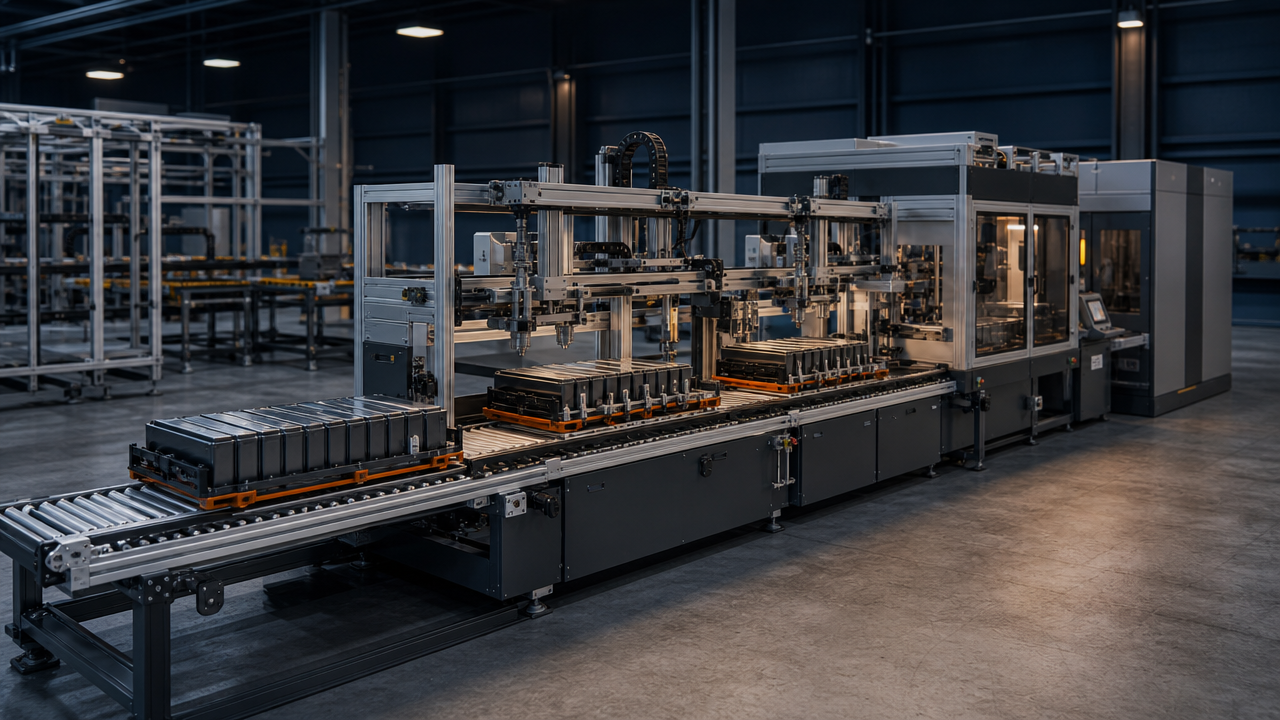
LG Energy Solution’s reported US plant conversion points to a new demand outlet for underused EV battery capacity. The shift toward LFP storage for AI data centers may signal a wider industrial pivot.
-
Micron’s Financing Deal With GlobalWafers Points to a New Supply-Chain Playbook
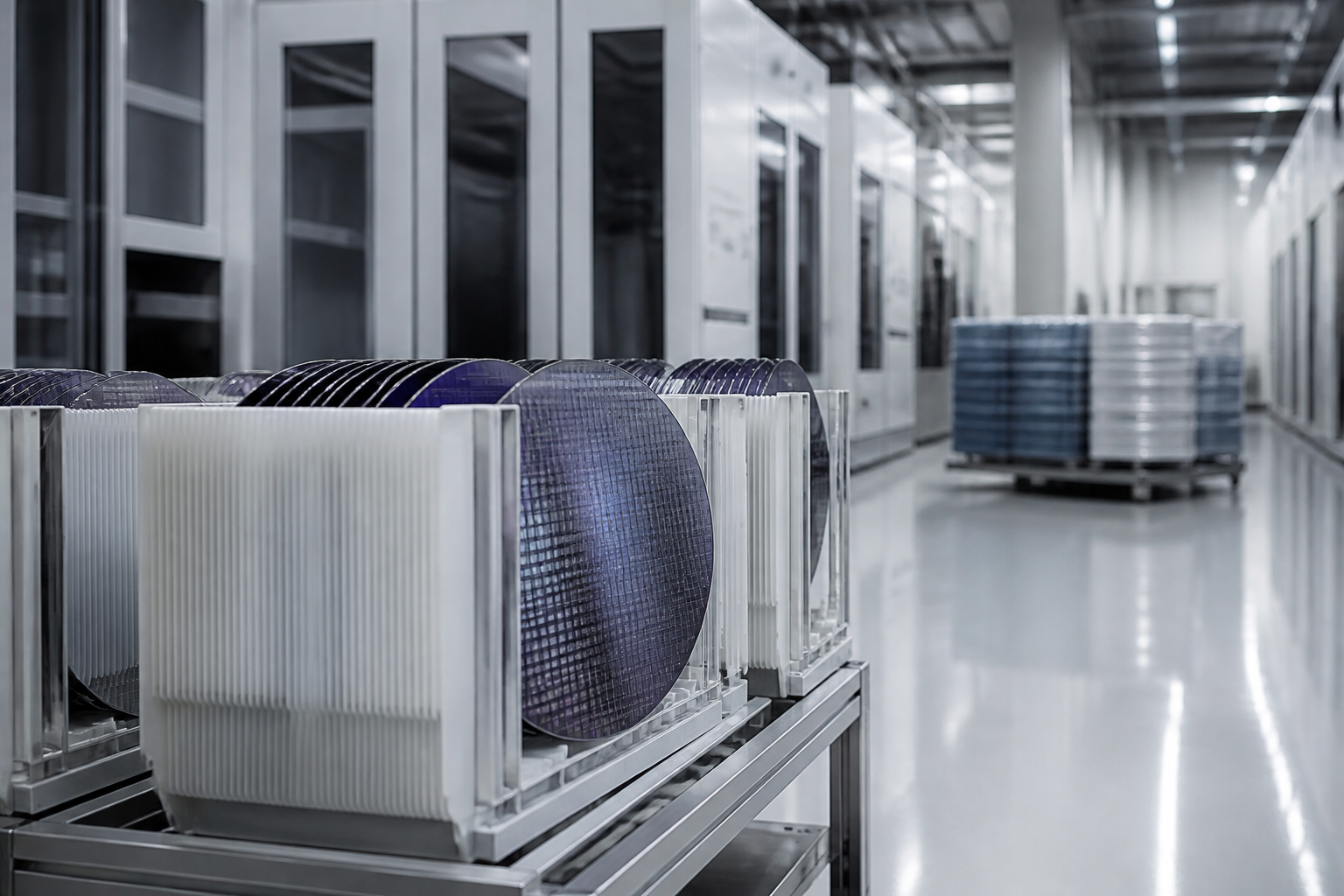
Micron’s financing deal with GlobalWafers shows how semiconductor companies may start funding critical suppliers upstream to secure essential materials. The opportunity is stronger supply assurance inside the U.S. manufacturing base. The risk is that localization still depends heavily on cross-border supplier relationships and execution at the facility level. This may be less about one wafer…
-
AWS Trainium 3 Demand Lifts Taiwan Shipments and Sharpens Focus on Custom AI Silicon
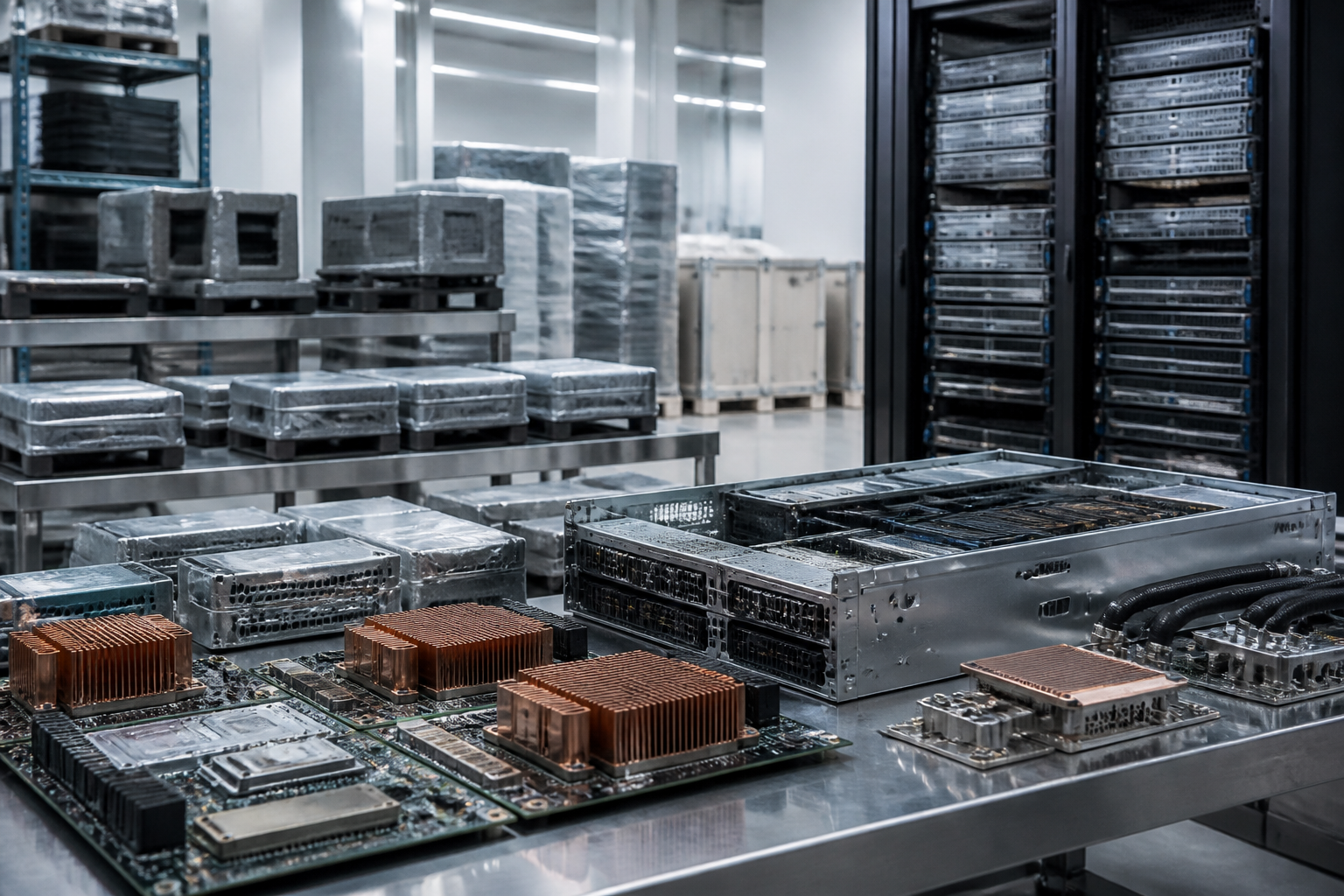
AWS has reportedly asked server supply chain partners to raise Q3 2026 shipments by 20% to 30%, tied to Trainium 3 demand. The bigger signal is strategic. Custom hyperscaler silicon is starting to create visible pull across Taiwan’s AI hardware supply chain.
-
Samsung and SK Hynix Reportedly Rework China Exposure in Chip Tool Supply Chains
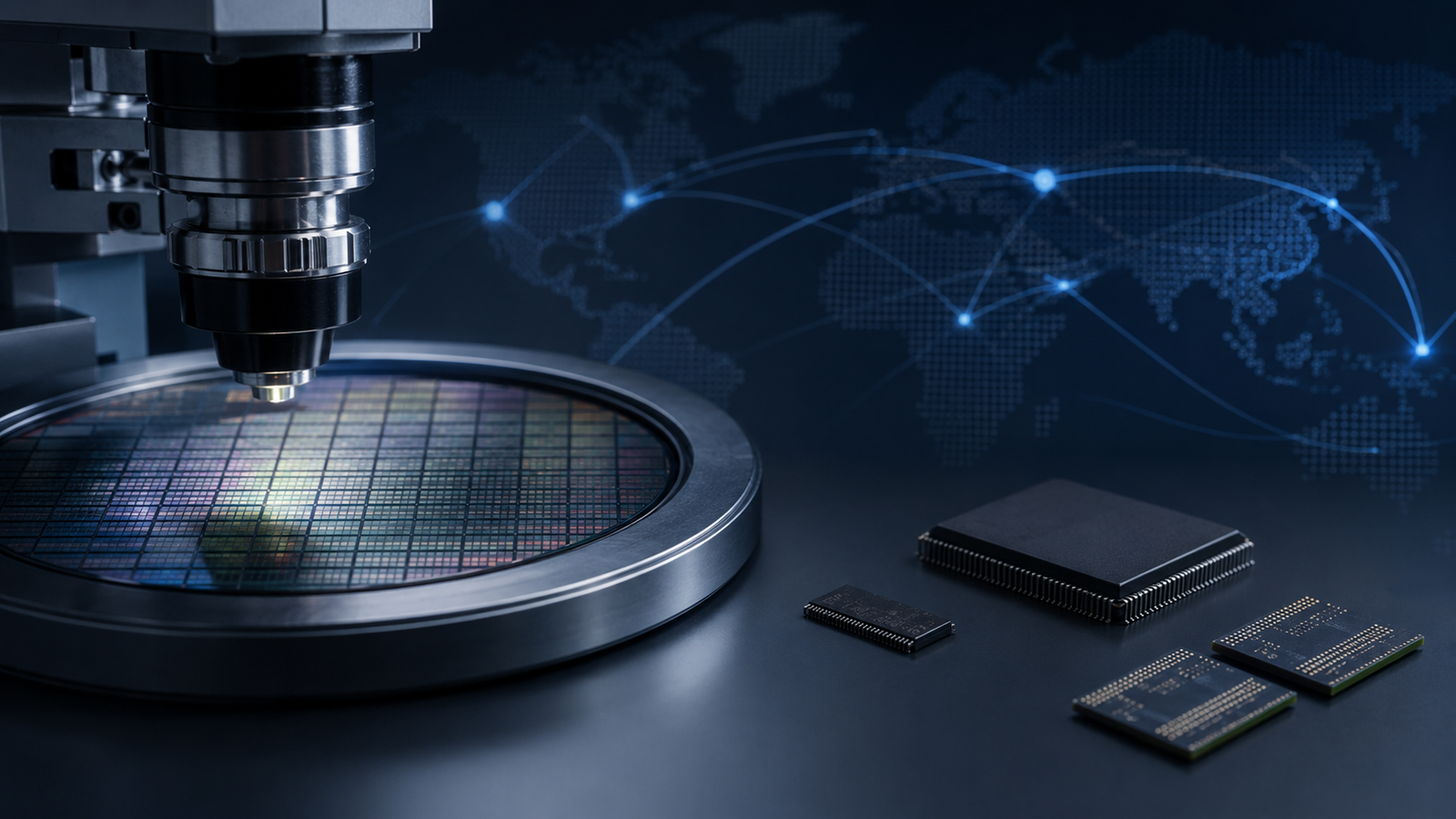
Samsung and SK Hynix are reportedly reducing China-related exposure in semiconductor tools, materials, and components as they prepare for possible tighter US export controls.
-
The Nickel Bottleneck: How Indonesia’s HPAL Boom Is Reshaping Asia’s Battery Supply Chain
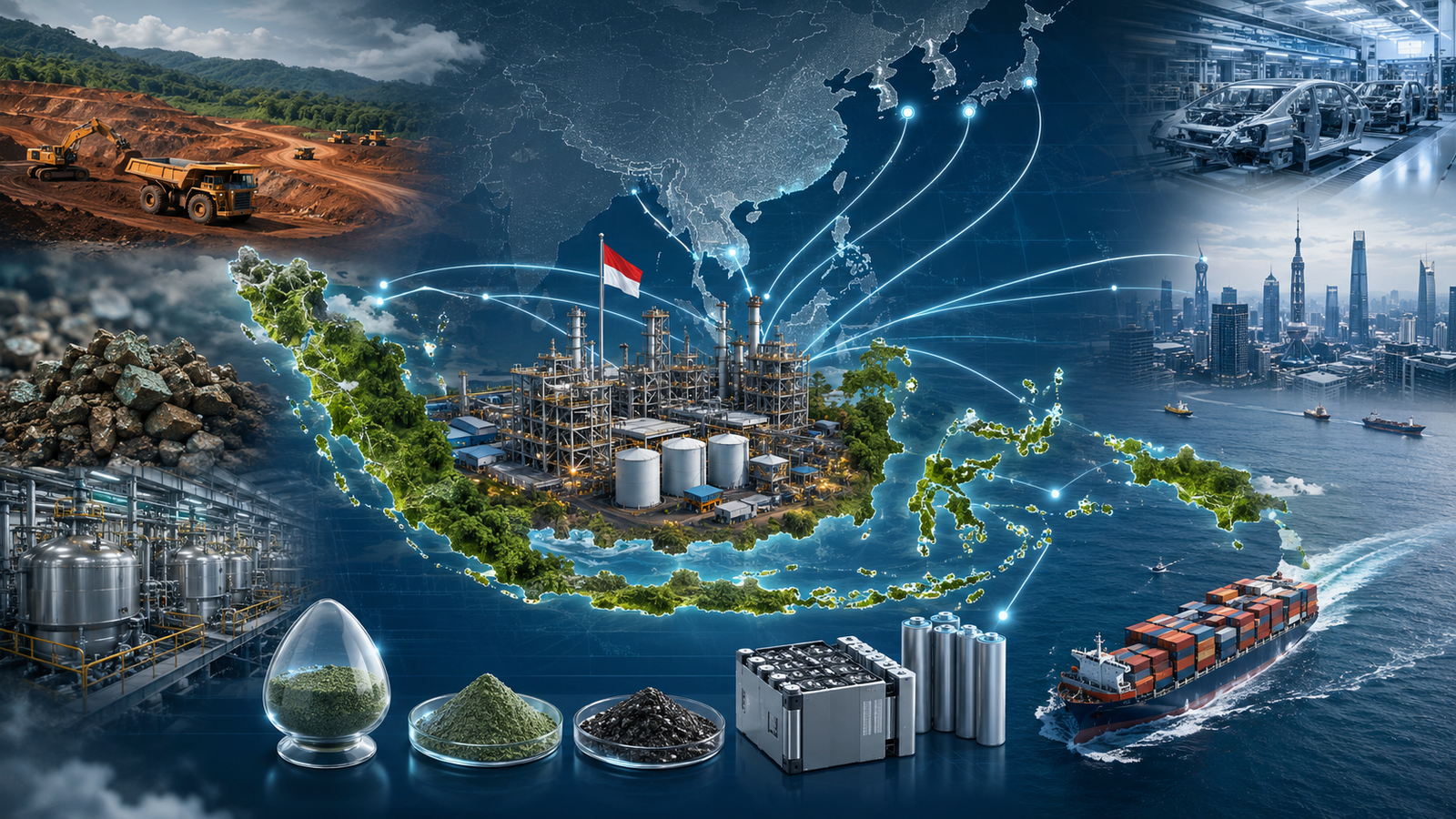
Indonesia is central to the EV battery supply chain. But the real bottleneck is not nickel ore. It is the processing layer. HPAL plants can turn Indonesia’s low-grade laterite nickel into battery-grade materials, but much of that capacity depends on Chinese technology, capital, and industrial know-how.
-
The Upstream Glass Ceiling: Why Vietnam’s Electronics Clusters Remain Tethered to China’s Sub-Tier Supply Chains
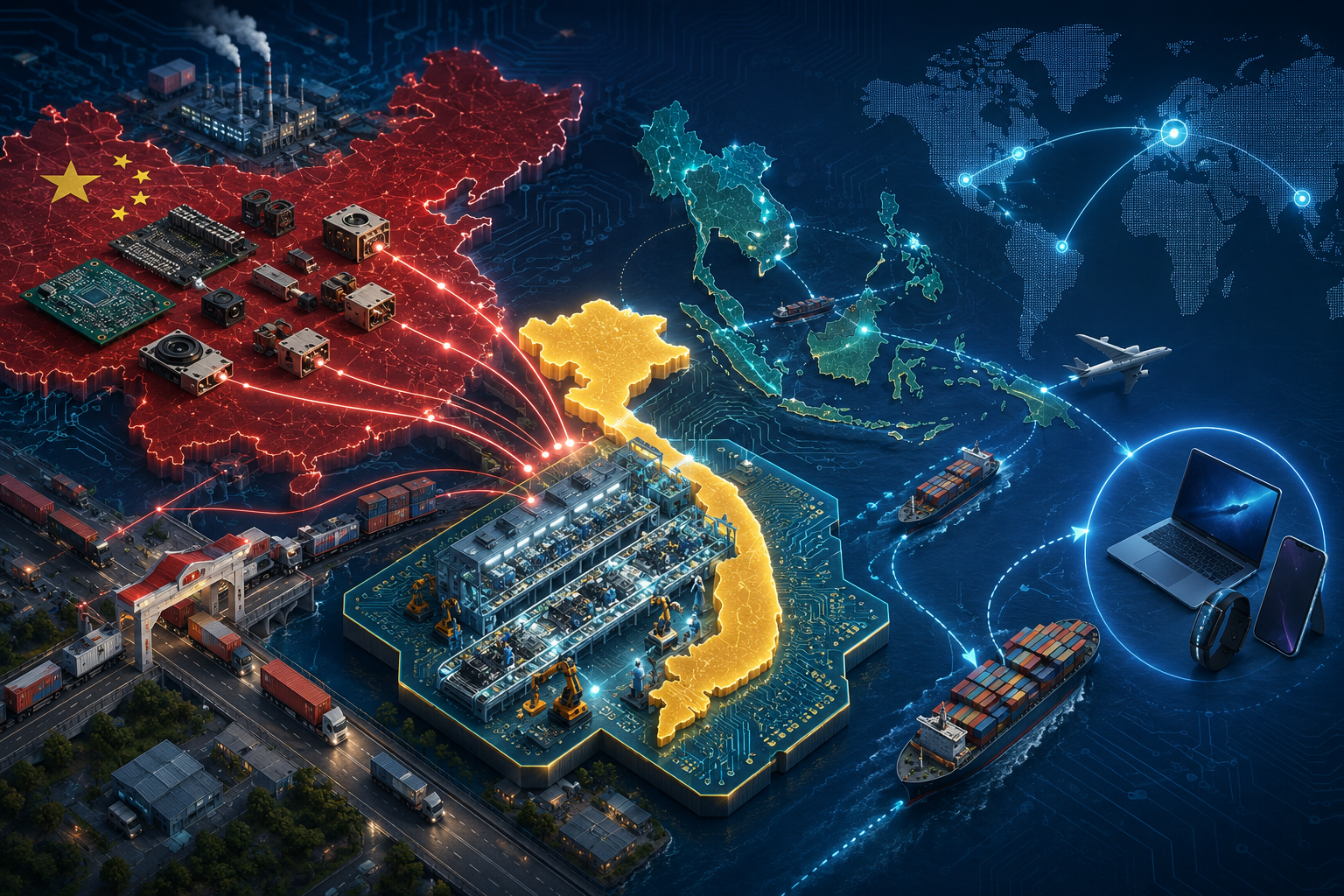
Vietnam has become one of Asia’s most important electronics manufacturing hubs. But many products assembled in Vietnam still rely on components sourced from China. That means China+1 has often moved final assembly, not the upstream supply chain.