Latest posts
-
US Battery Makers Accelerate Sodium-Ion Plans Through Shared Lithium-Ion Lines
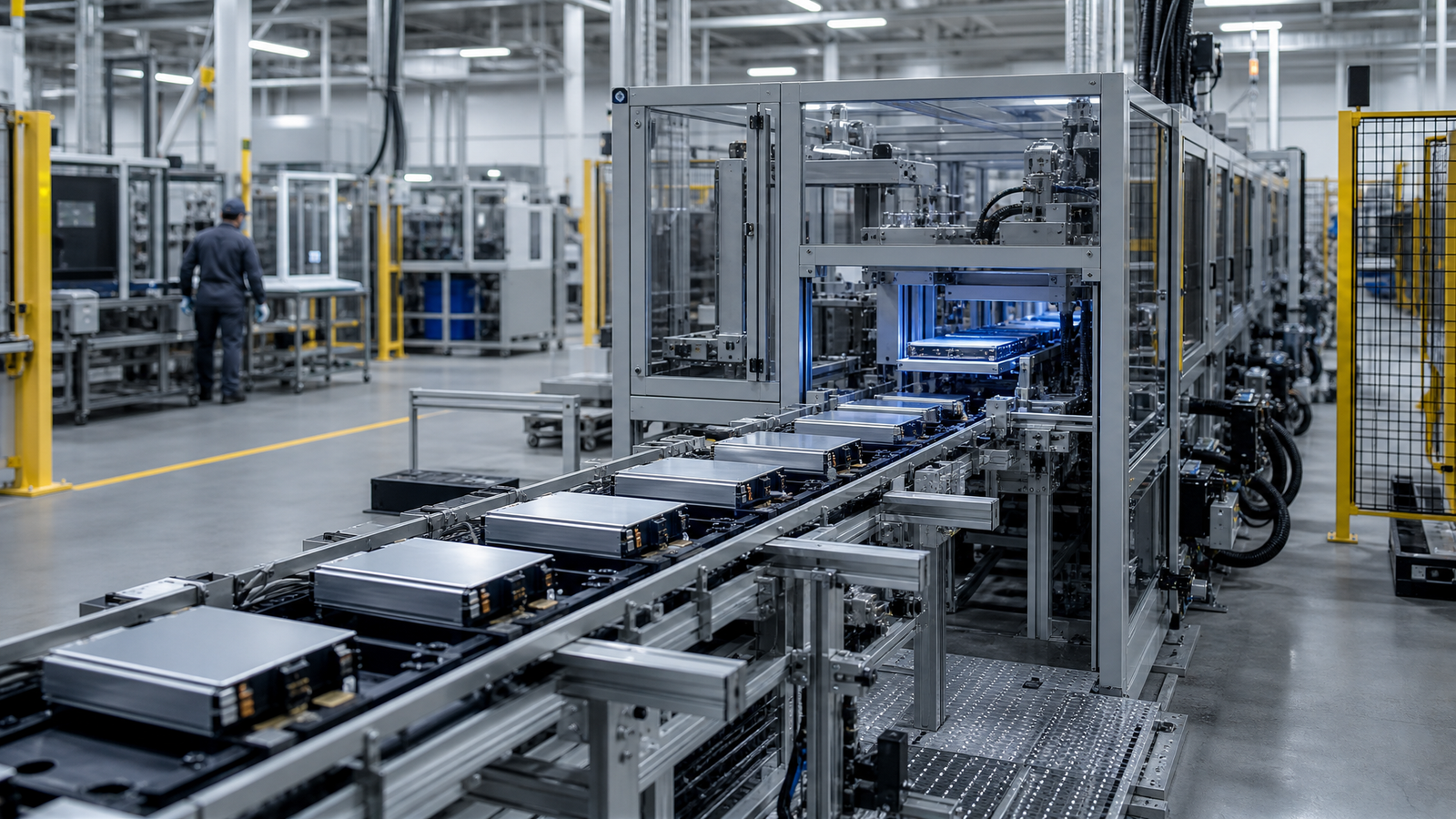
US battery makers may be turning sodium-ion into a more financeable manufacturing option by using shared lithium-ion production lines. The shift could improve capital efficiency and reduce exposure to concentrated lithium supply chains.
-
The Hidden Bottleneck: U.S. Warehouse Tightness as a Signal for Global Tech Infrastructure
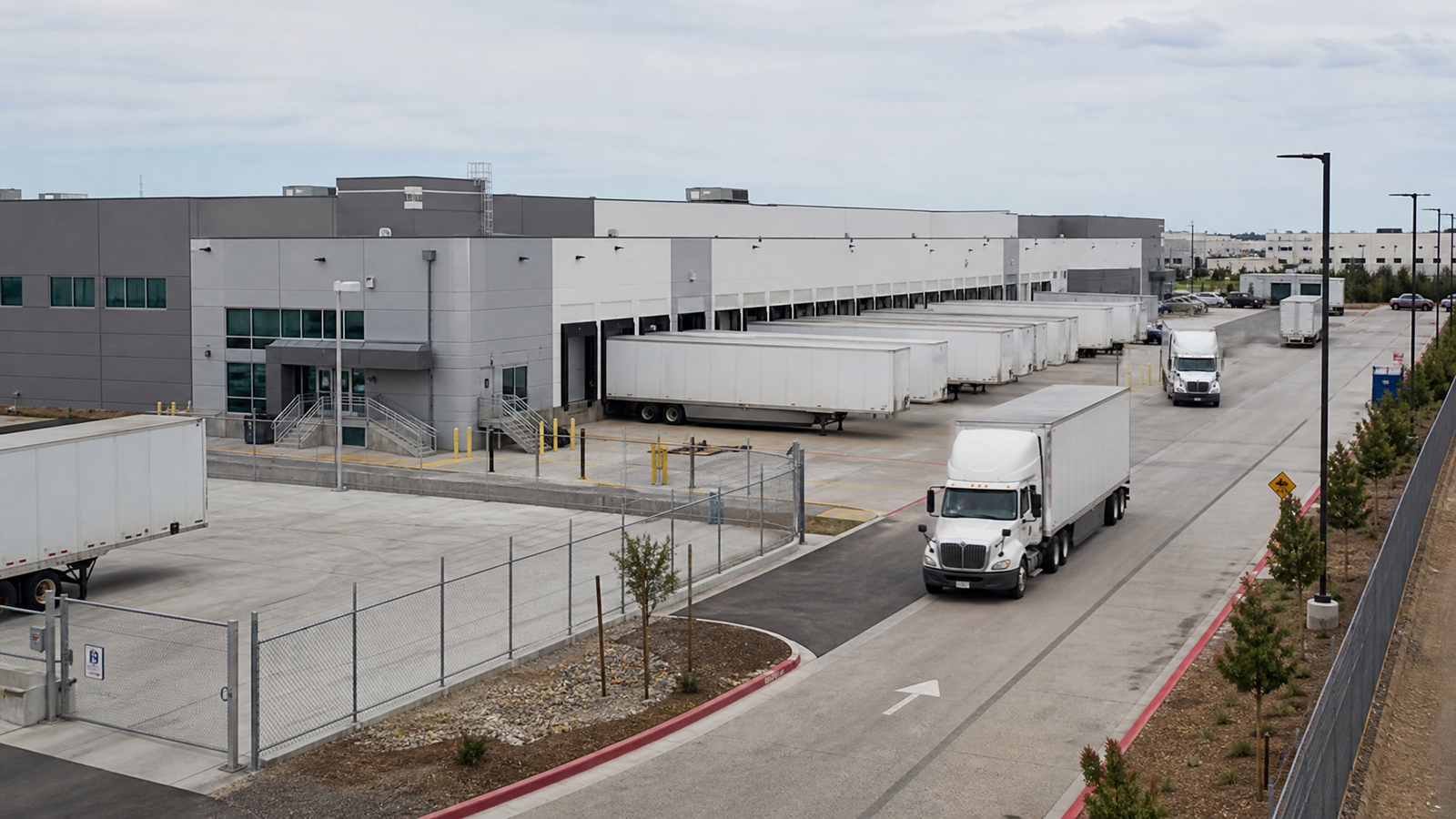
U.S. warehouse demand has reached a four-year high, highlighting a physical logistics constraint behind AI infrastructure buildouts. The strategic risk is slower execution across data centers and high-tech supply chains.
-
Nvidia and Zayo’s Fiber Buildout Highlights a Less-Visible AI Infrastructure Constraint
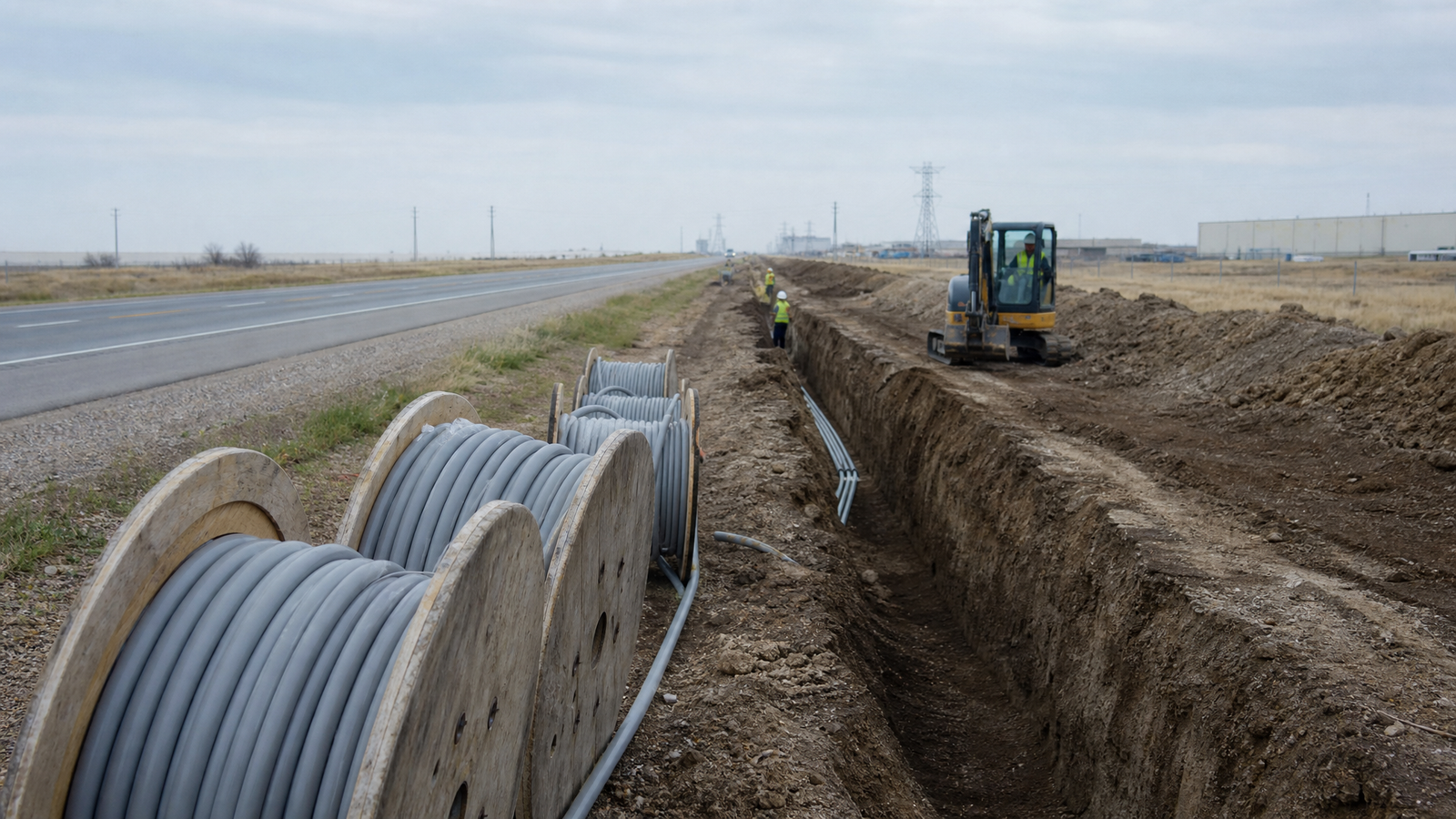
Nvidia and Zayo’s reported US fiber buildout points to long-haul connectivity becoming a more visible layer of AI infrastructure. The strategic question is whether network capacity becomes a constraint as AI systems spread across more sites.
-
DRAM Bottleneck Reportedly Leaves $1 Billion in Apple Silicon Waiting at TSMC
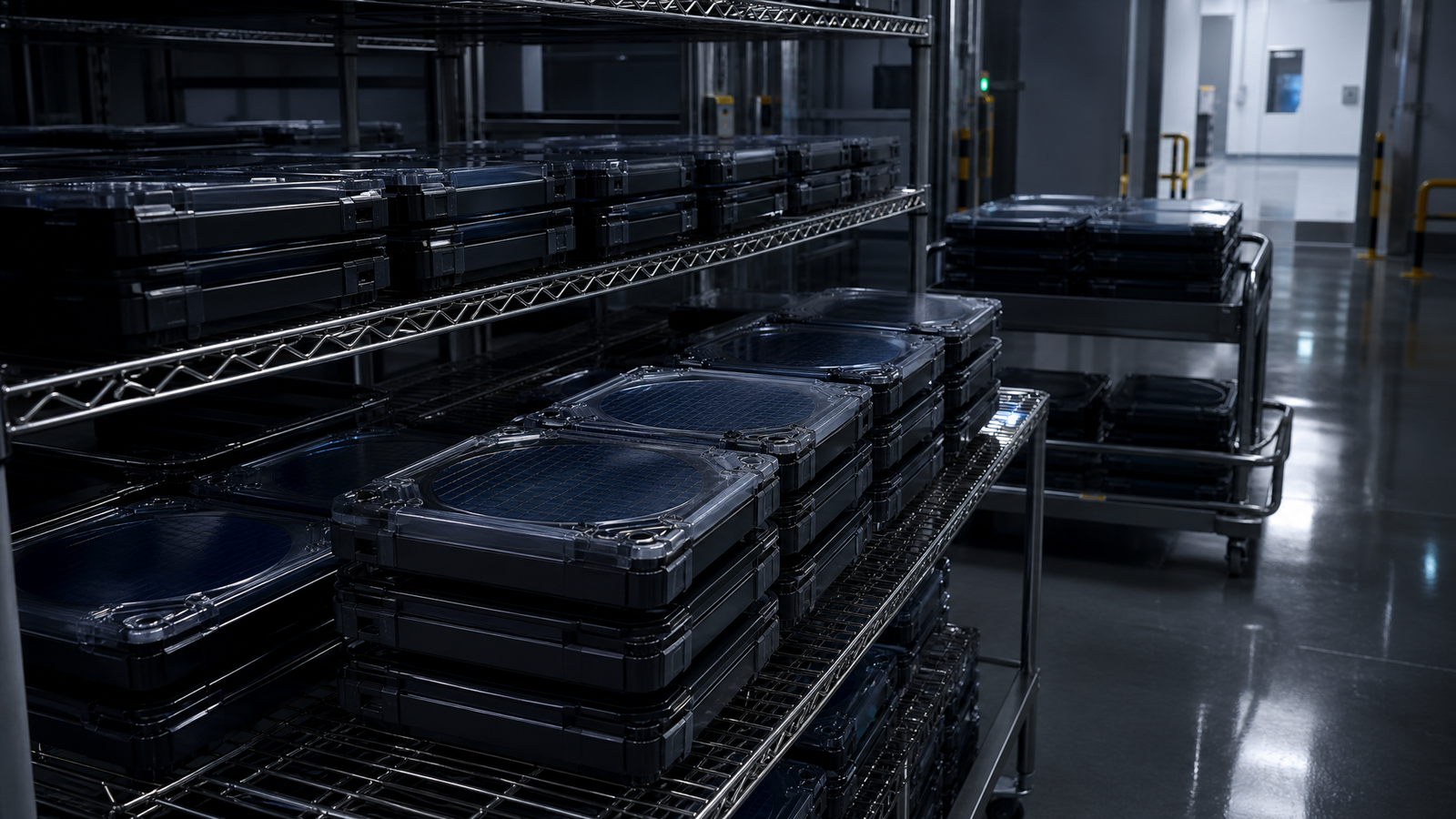
A reported DRAM delay may have left completed Apple silicon waiting at TSMC before package completion. The case underscores how semiconductor output now depends on coordination across logic, memory, and packaging.
-
CoreWeave’s Indonesia Expansion Signals Southeast Asia’s Rising Role in AI Infrastructure
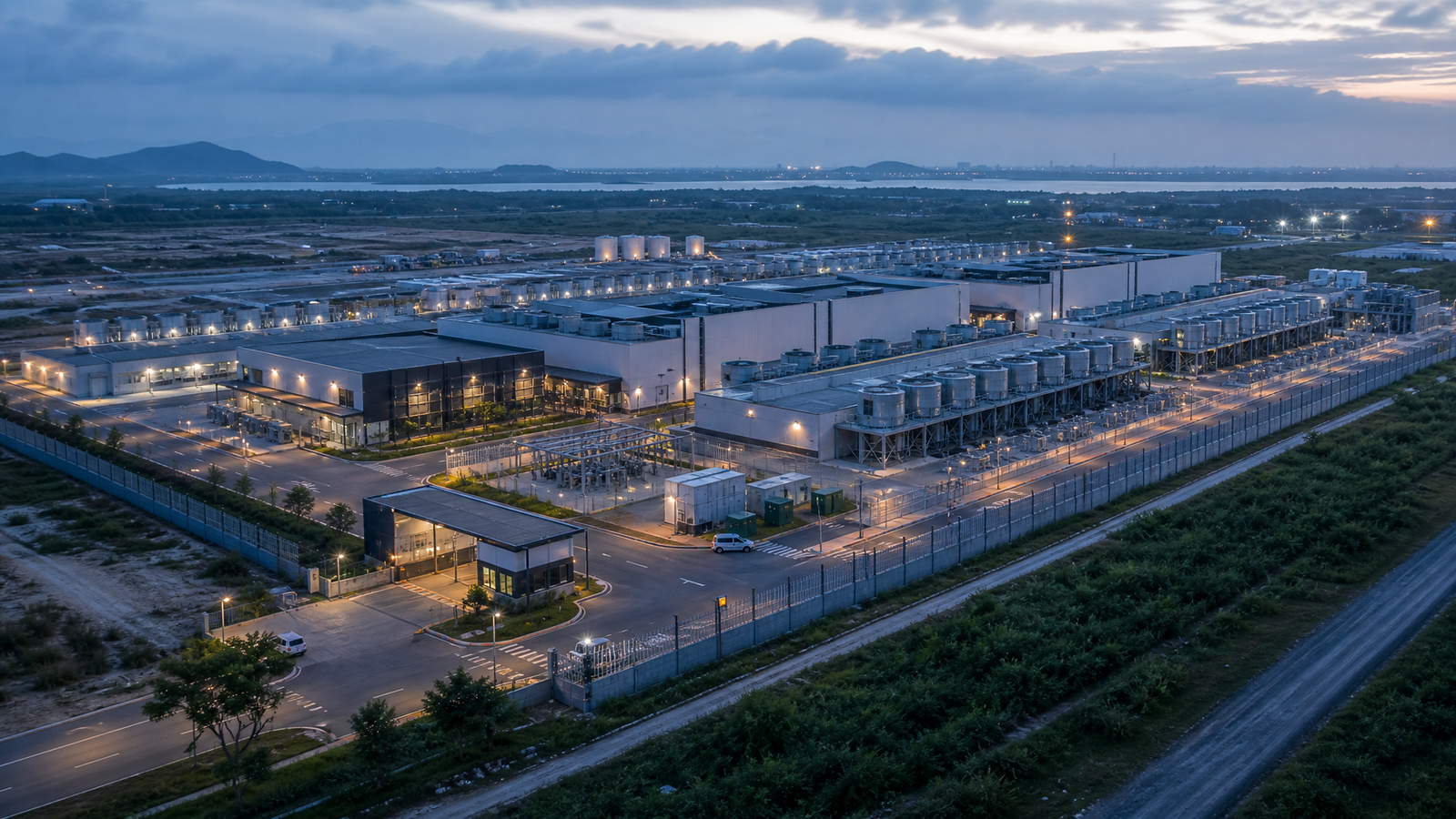
CoreWeave’s reported Indonesia expansion could mark a wider shift in where AI infrastructure gets built in Asia. The plan underscores the growing importance of power, land, and execution capacity in Southeast Asia.
-
Kumamoto Earthquake Highlights Concentration Risk in Japan’s Chip and Auto Supply Chains
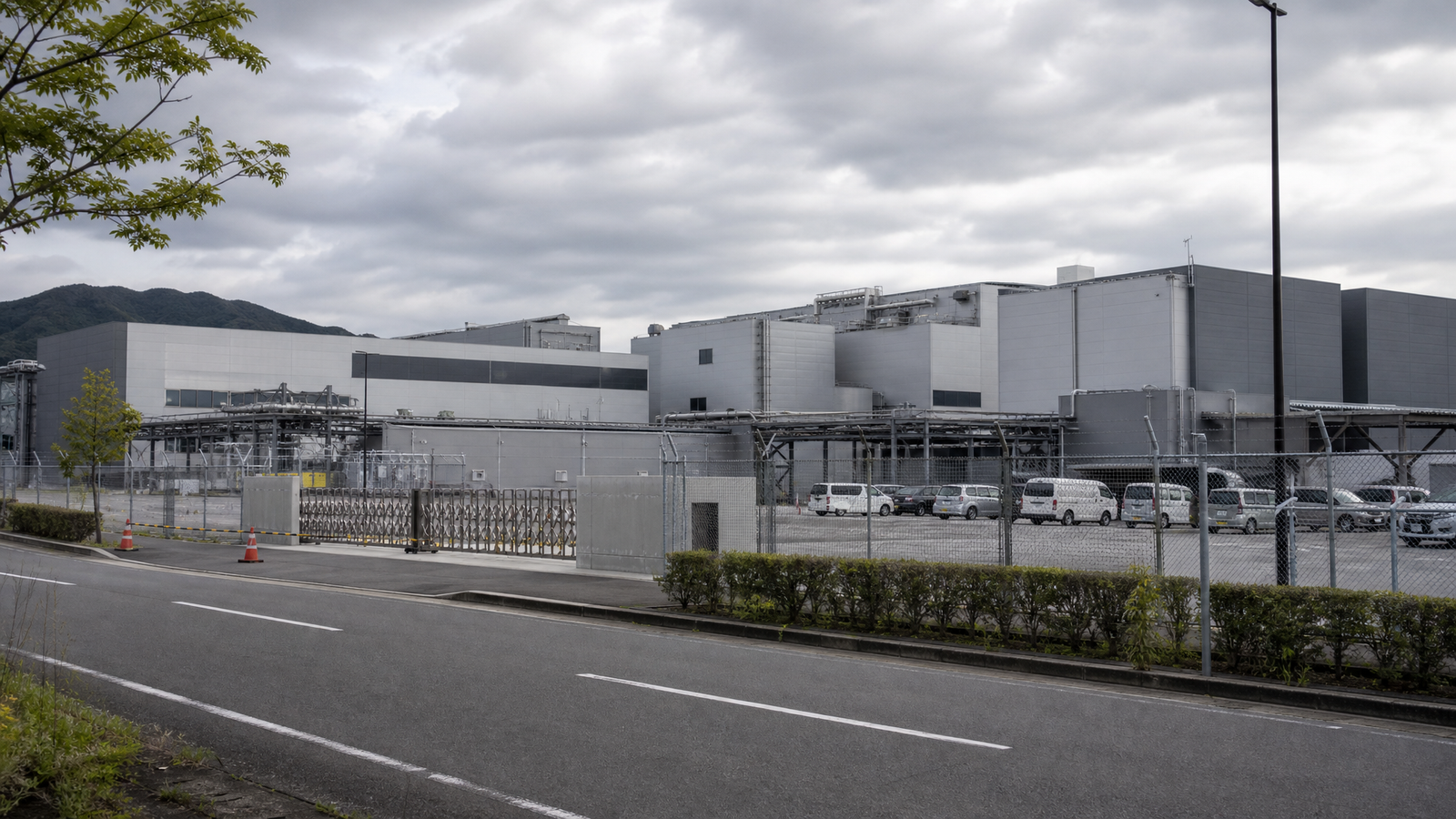
Japan’s Kumamoto earthquake is more than a local disruption. Reported suspensions at Renesas, Sony, and Tokyo Electron highlight how concentrated semiconductor and electronics capacity can turn a regional shock into a wider industrial risk.
-
Kumamoto Earthquake Disrupts Kyushu Chip Plants, Testing Japan’s Supply Chain Resilience
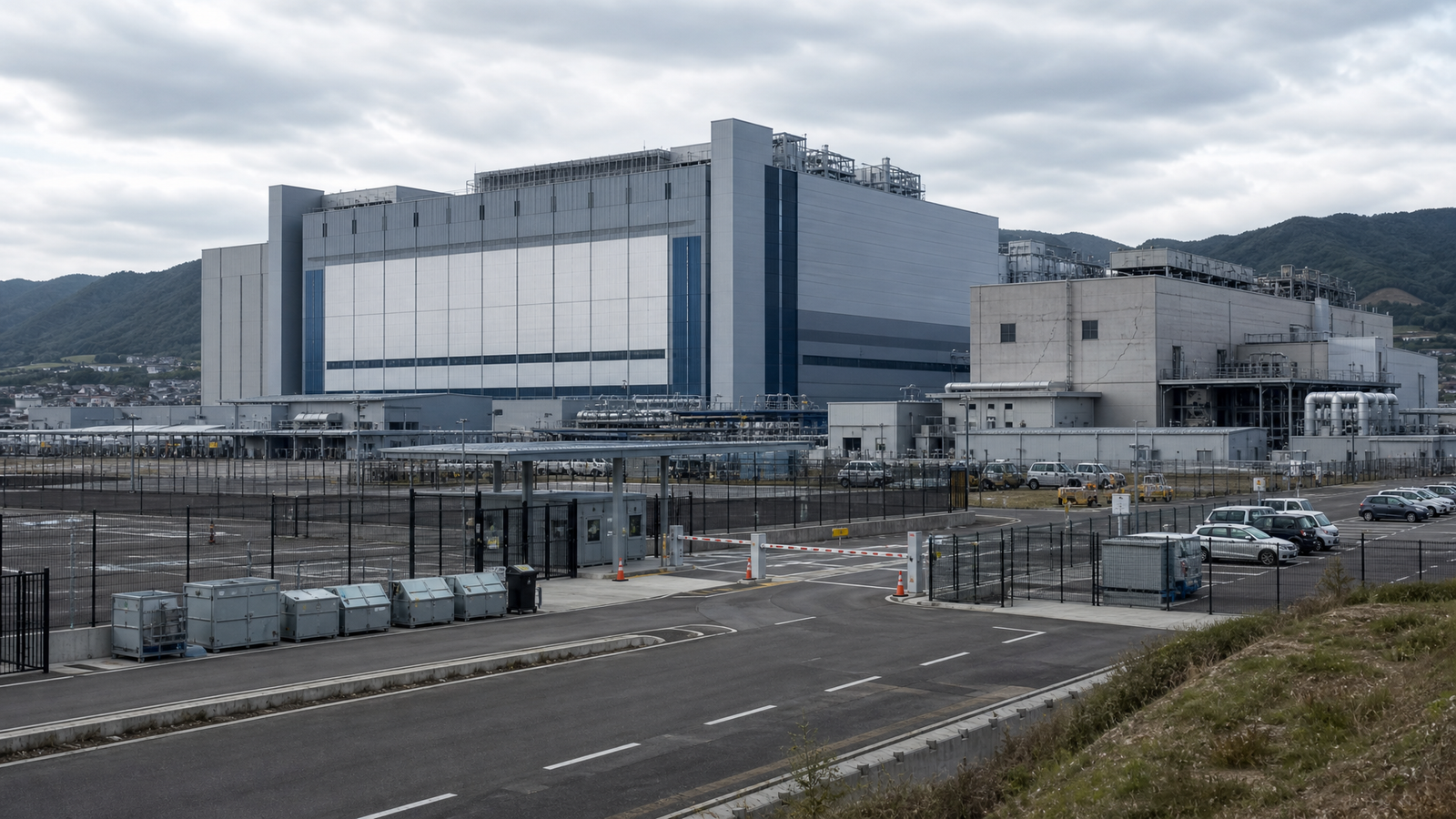
The Kumamoto earthquake disrupted semiconductor production in Kyushu, including reported damage at Renesas plants. The key issue is concentration risk, with recovery timing now critical for automotive and industrial chip supply.
-
First-Ever Section 338 Tariffs on Canada Signal a Broader Supply-Chain Risk Playbook
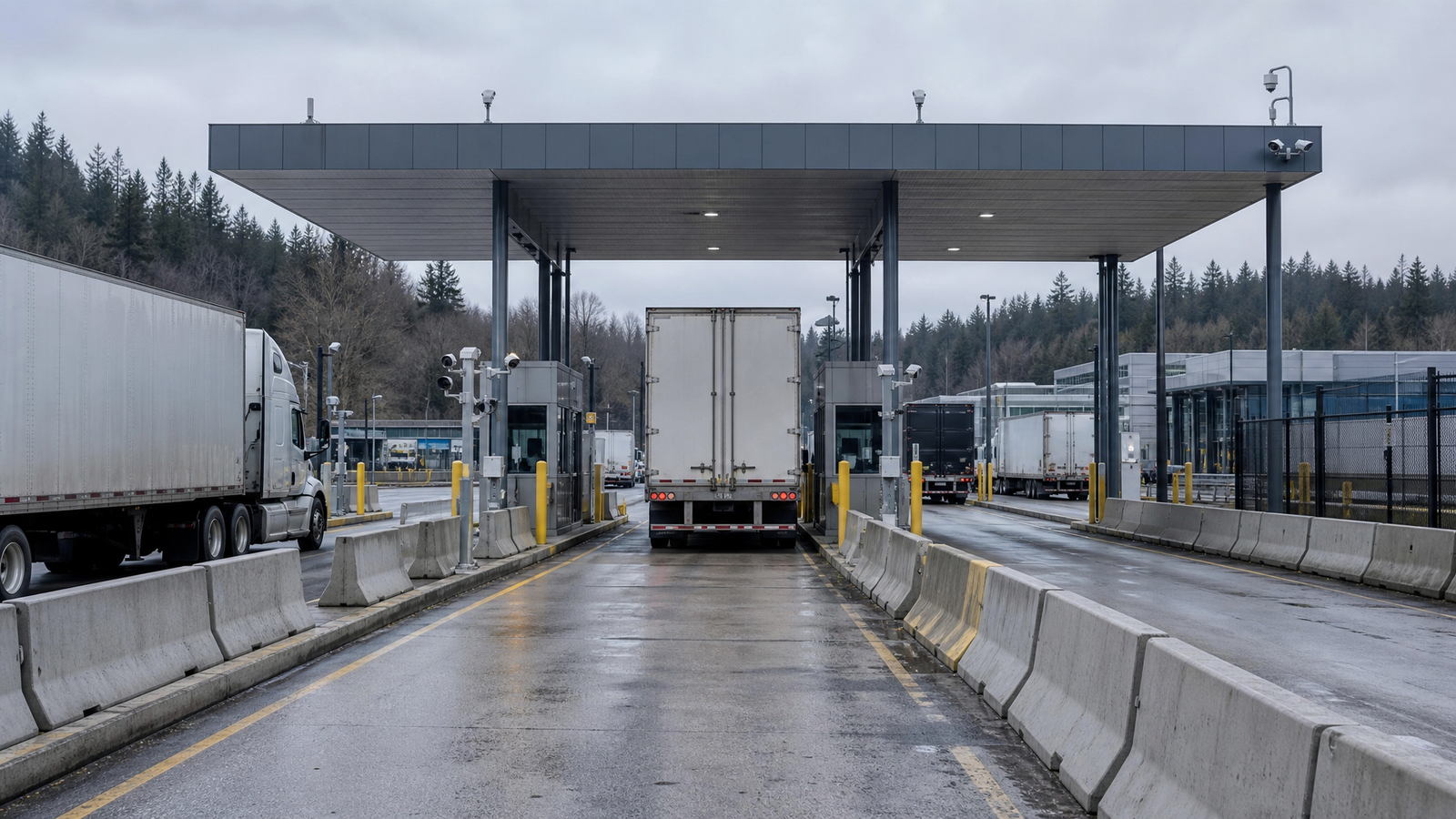
The first-ever reported use of Section 338 against Canada may point to a broader US shift in trade and industrial policy. The key implication is rising compliance and sourcing risk for globally connected supply chains.
-
Japan’s Deep-Sea Rare Earth Find Signals a Long-Term Hedge Against China Supply Risk

Japan’s deep-sea rare earth recovery is best read as a supply-chain strategy signal, not proof of imminent commercial mining. The move points to a long-horizon domestic option for materials critical to magnets, EVs, and defense systems.
-
India’s Semicon 2.0 Signals a Broader Push Up the Chip Value Chain

India’s Semicon 2.0 is notable not just for its scale, but for its breadth across the semiconductor value chain. The real test is whether execution can turn policy intent into durable capability.