Latest posts
-
Trump-Xi Washington Summit Puts AI, Taiwan, and Asia’s Chip Risk Outlook in Focus
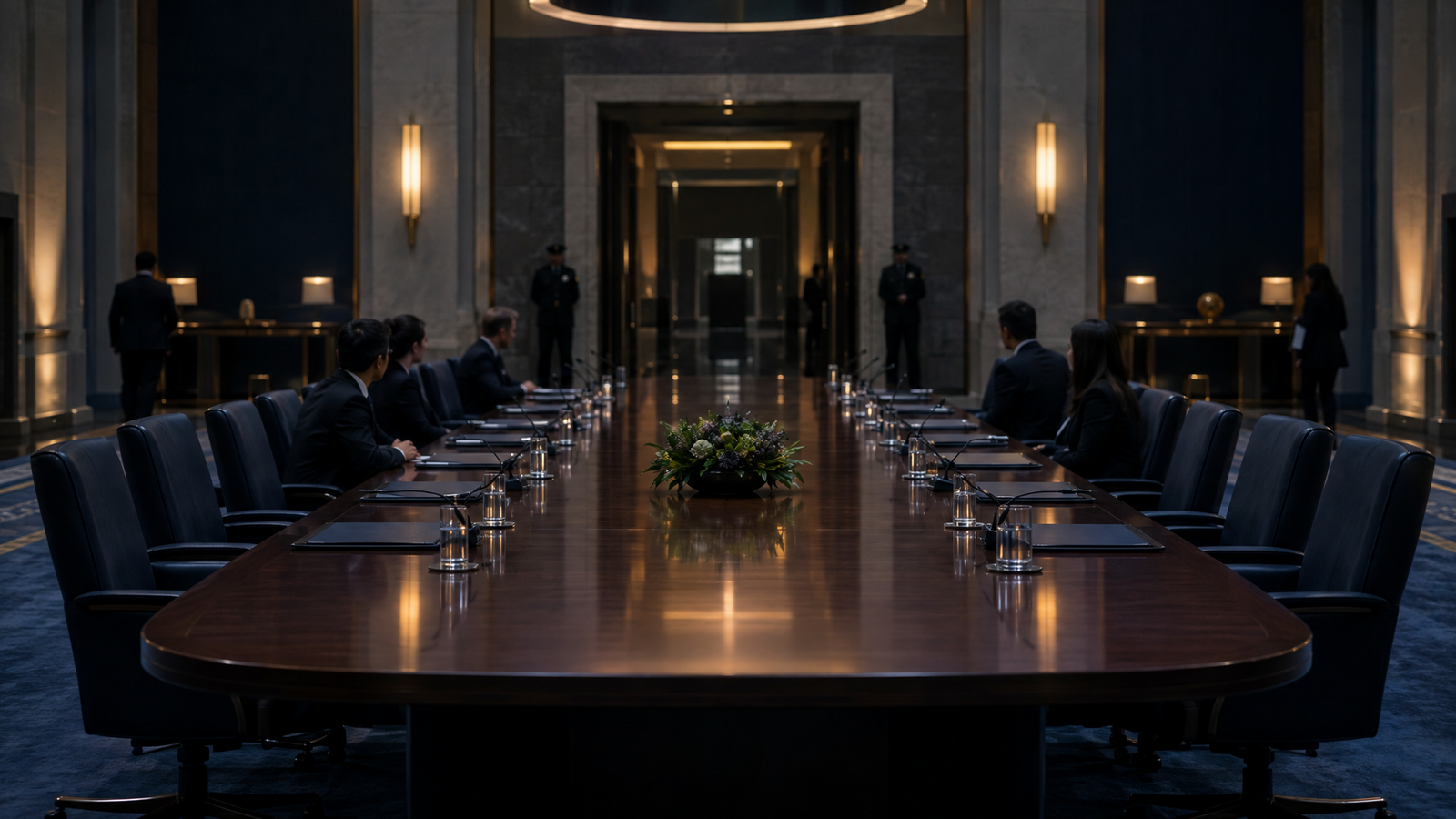
The Trump-Xi summit matters less for a near-term deal than as a signal event for Asia tech. Trade, Taiwan, and AI competition are now being priced into semiconductor, AI infrastructure, and supply-chain risk.
-
Beneath the Decoupling Rhetoric: Why US-China AI and Chip Interdependence Persists

US-China tech decoupling is proving uneven, with market demand still preserving selected AI and automotive semiconductor linkages. The result is a more segmented risk profile for investors and policymakers.
-
China’s Rare Earth Controls Expose the Structural Limits of Western Reshoring
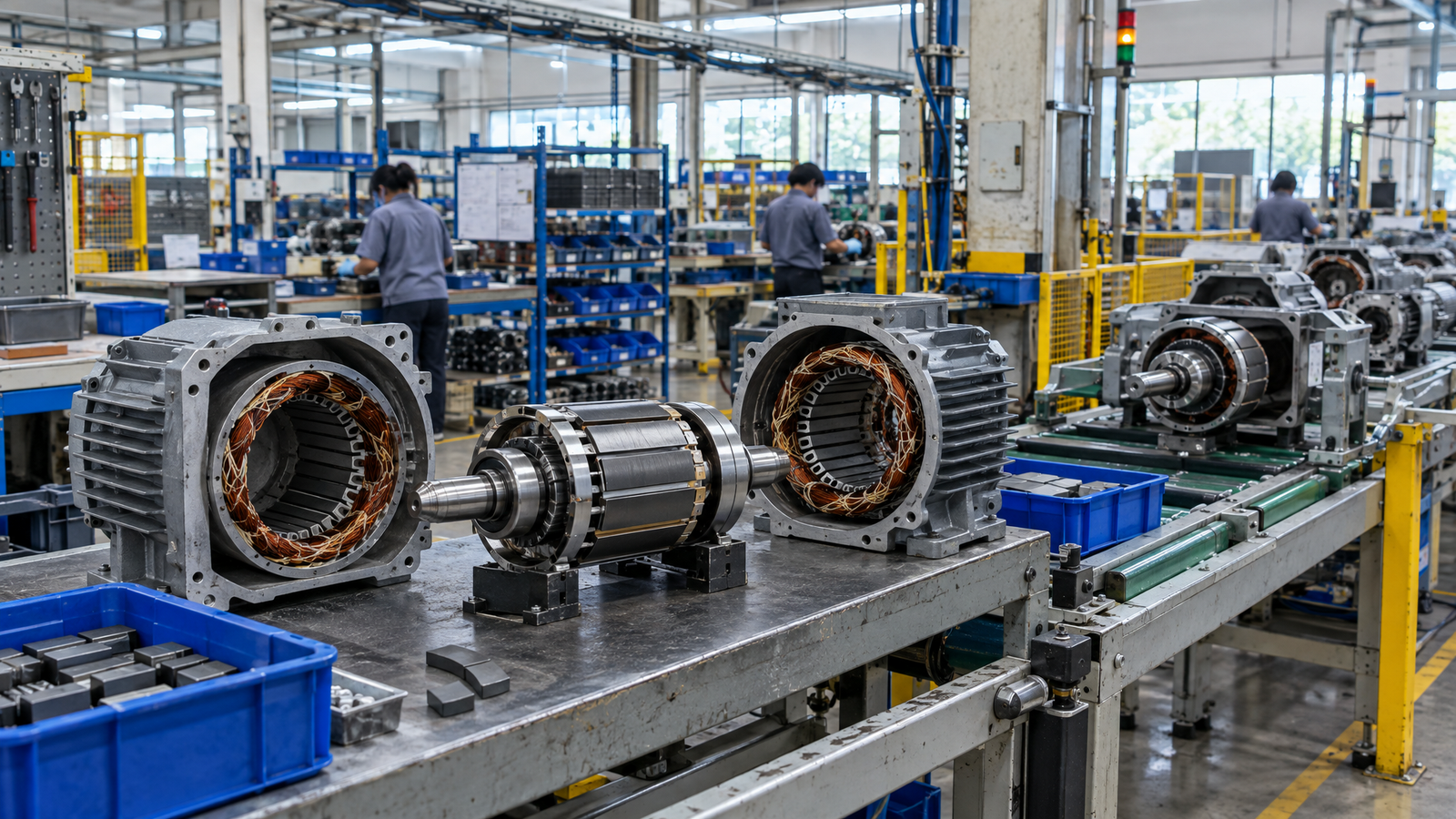
China’s rare earth leverage may extend beyond direct exports, with Chinese-origin materials still embedded in foreign-made products. The strategic risk is hidden dependency even after reshoring.
-
Qualcomm’s Reported 2nm TSMC Bet Raises New Questions for Samsung Foundry
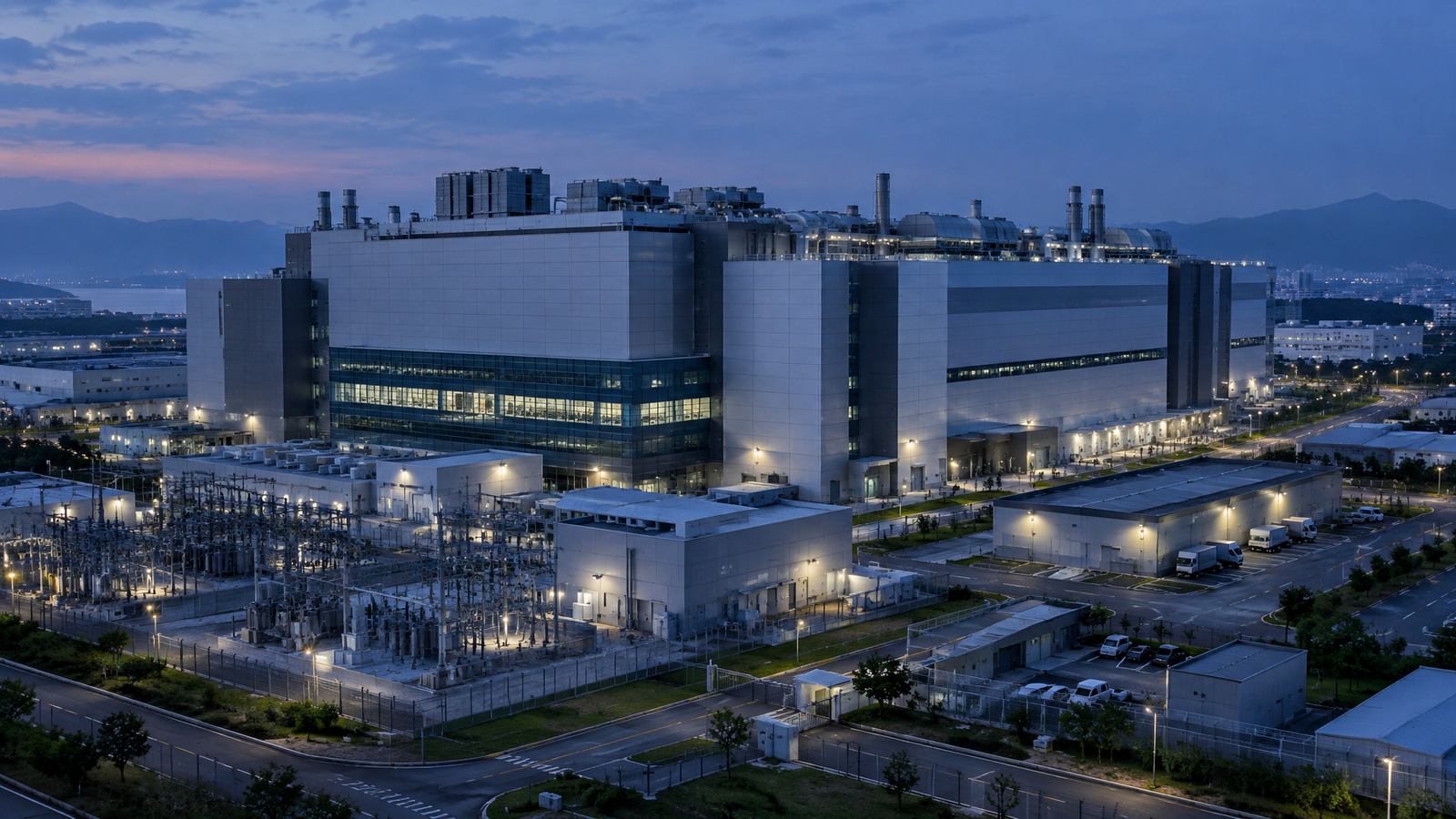
Qualcomm’s reported 2nm allocation to TSMC is a clear signal in the foundry race. It highlights execution confidence at the leading edge and rising concentration in Asia’s premium chip supply chain.
-
TSMC’s Reported 2027 Wafer Price Hikes Point to Tight Foundry Dynamics in the AI Era
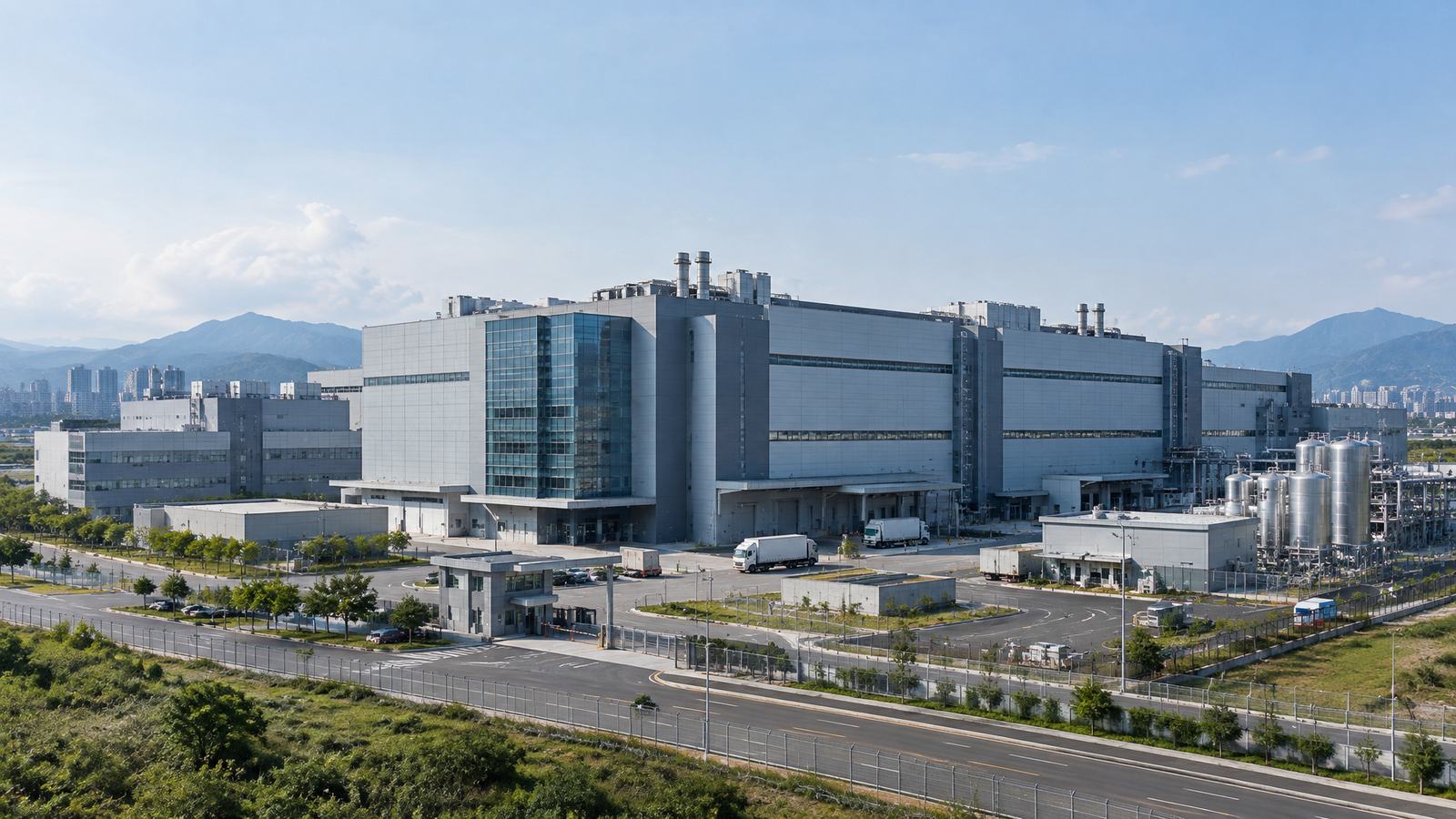
TSMC’s reported 2027 wafer price hike looks less like a one-year pricing move and more like a signal of sustained pricing power. The bigger implication is continued scarcity in advanced manufacturing capacity and long-range demand visibility.
-
Trump-Xi Washington Summit Tests a Fragile US-China Tech Truce
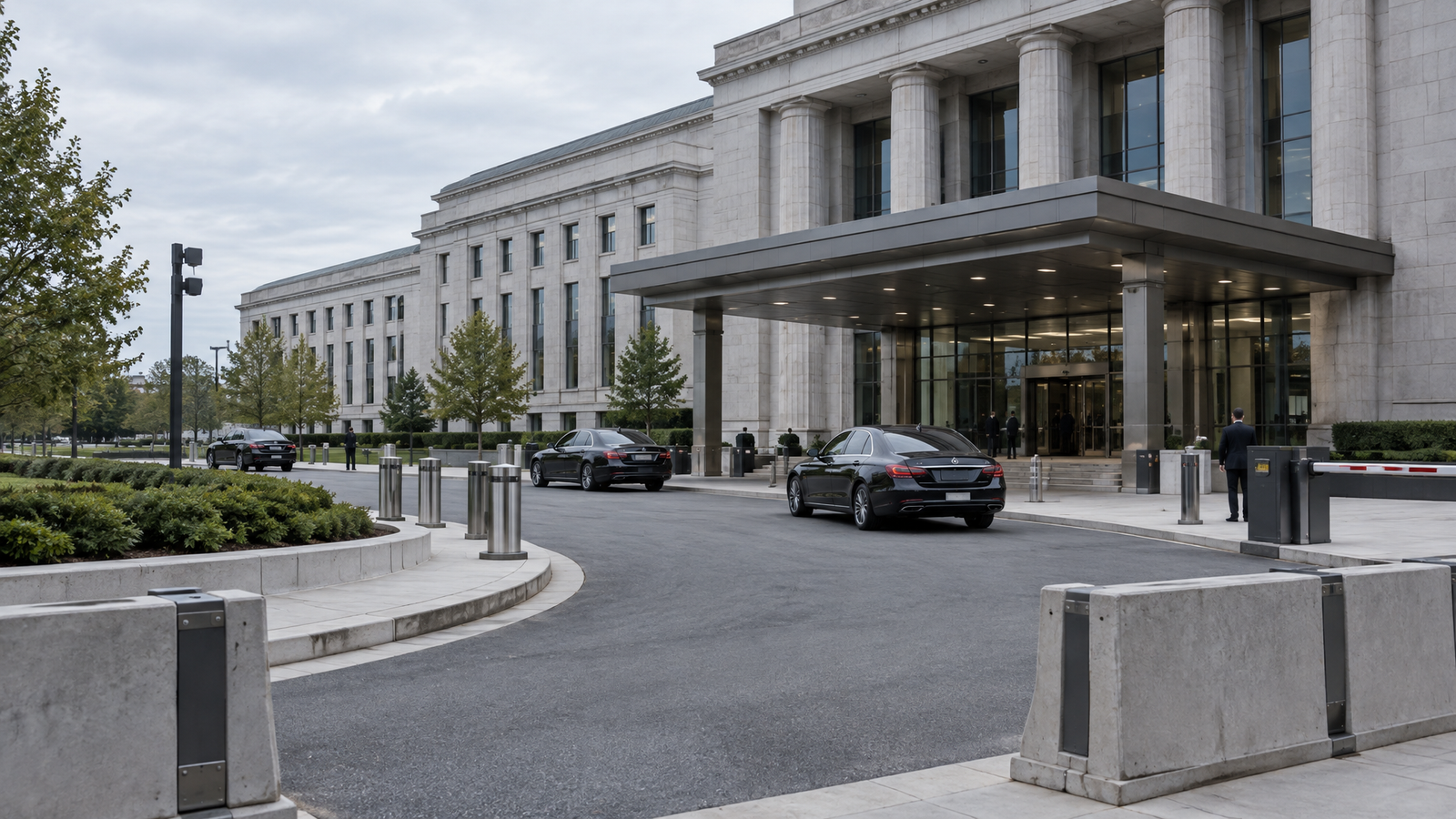
The Trump-Xi summit is framed less as a breakthrough and more as a test of how far US-China tech conflict is spreading beyond chips. Restrictions on robots, power inverters, and rare earths point to wider supply-chain pressure across Asia.
-
ByteDance’s Substrate Squeeze Exposes the Next Bottleneck in China’s AI Chip Buildout
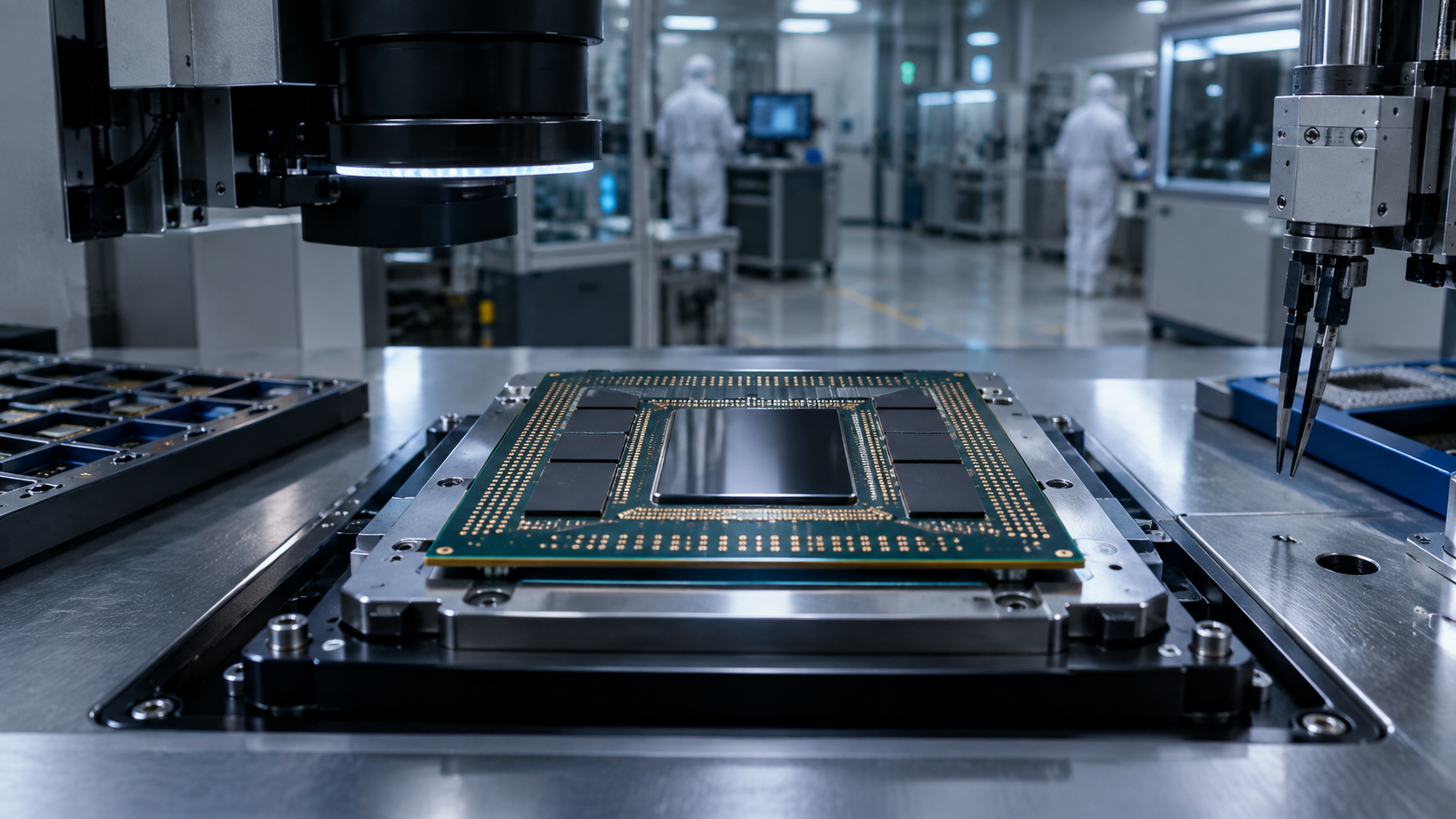
ByteDance’s reported AI chip bottleneck may sit in advanced packaging substrates rather than chip design or wafer fabrication. That makes downstream packaging a potential choke point in China’s AI hardware scale-up.
-
NVIDIA’s DSX Ready Program Extends Its AI Factory Reach Into Power and Cooling
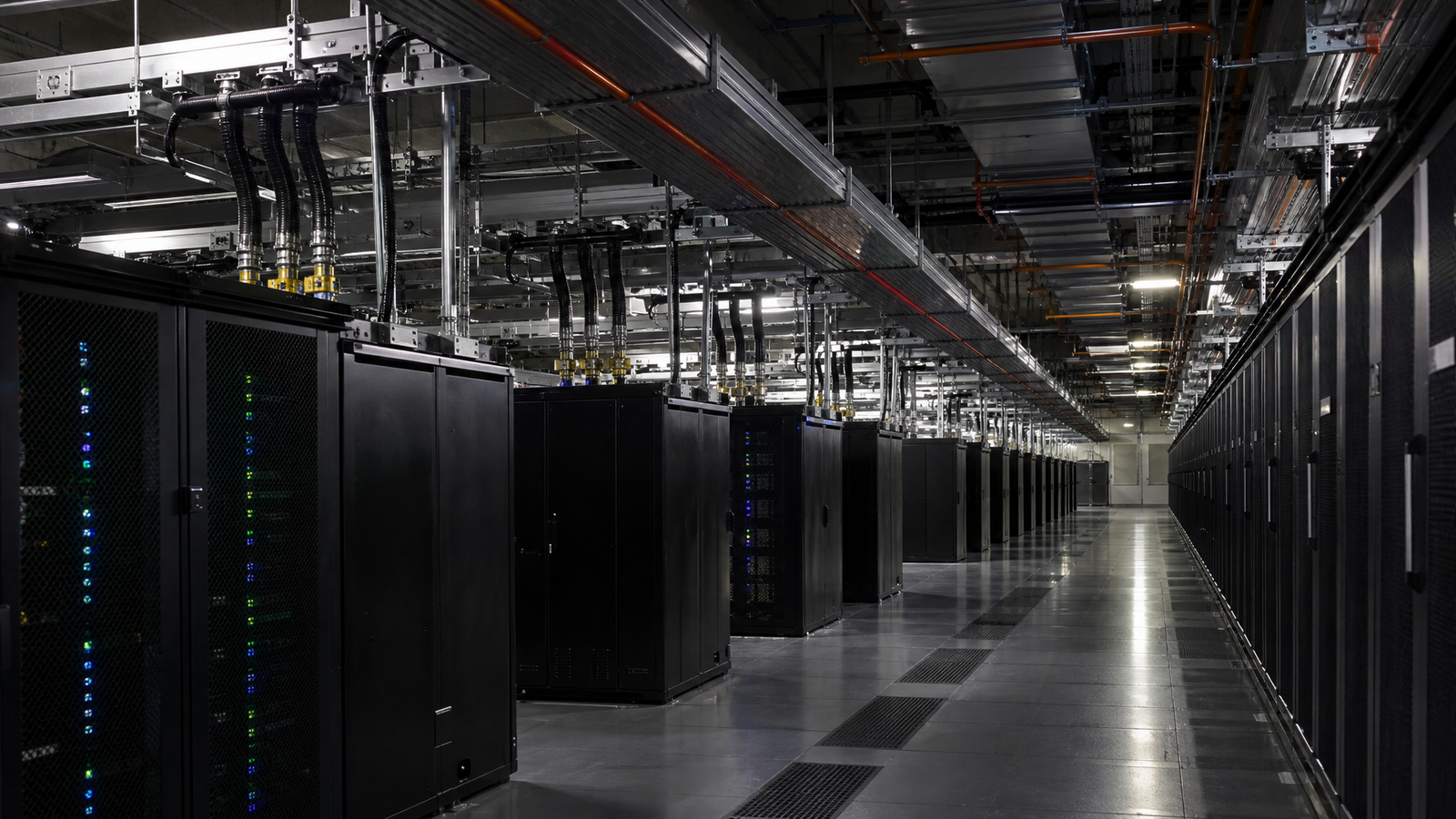
NVIDIA’s DSX Ready could extend its influence from AI chips into the power and cooling systems that now constrain AI factory deployment. The shift may affect supplier selection across adjacent infrastructure layers, including Korean industrial players.
-
Huawei’s Ascend 960 Roadmap Points to a Systems-Level AI Compute Push in China
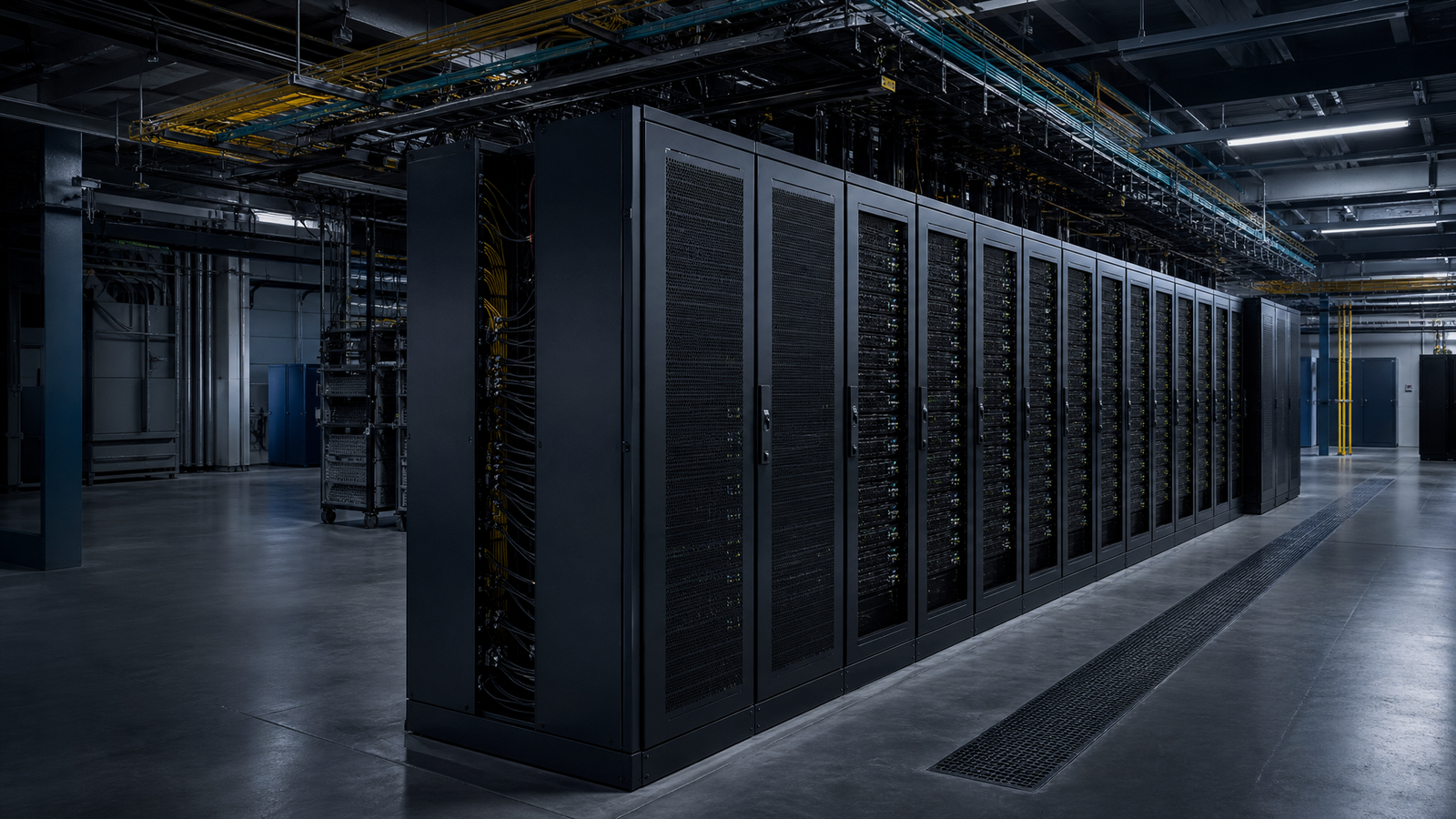
Huawei’s latest AI signal is less about a single chip and more about a full-stack infrastructure strategy. The article highlights how Ascend, optics, and clustered systems could help China narrow AI gaps without clear chip leadership.
-
Tata Electronics and Besi MoU Signals India’s Advanced Packaging Push in Assam
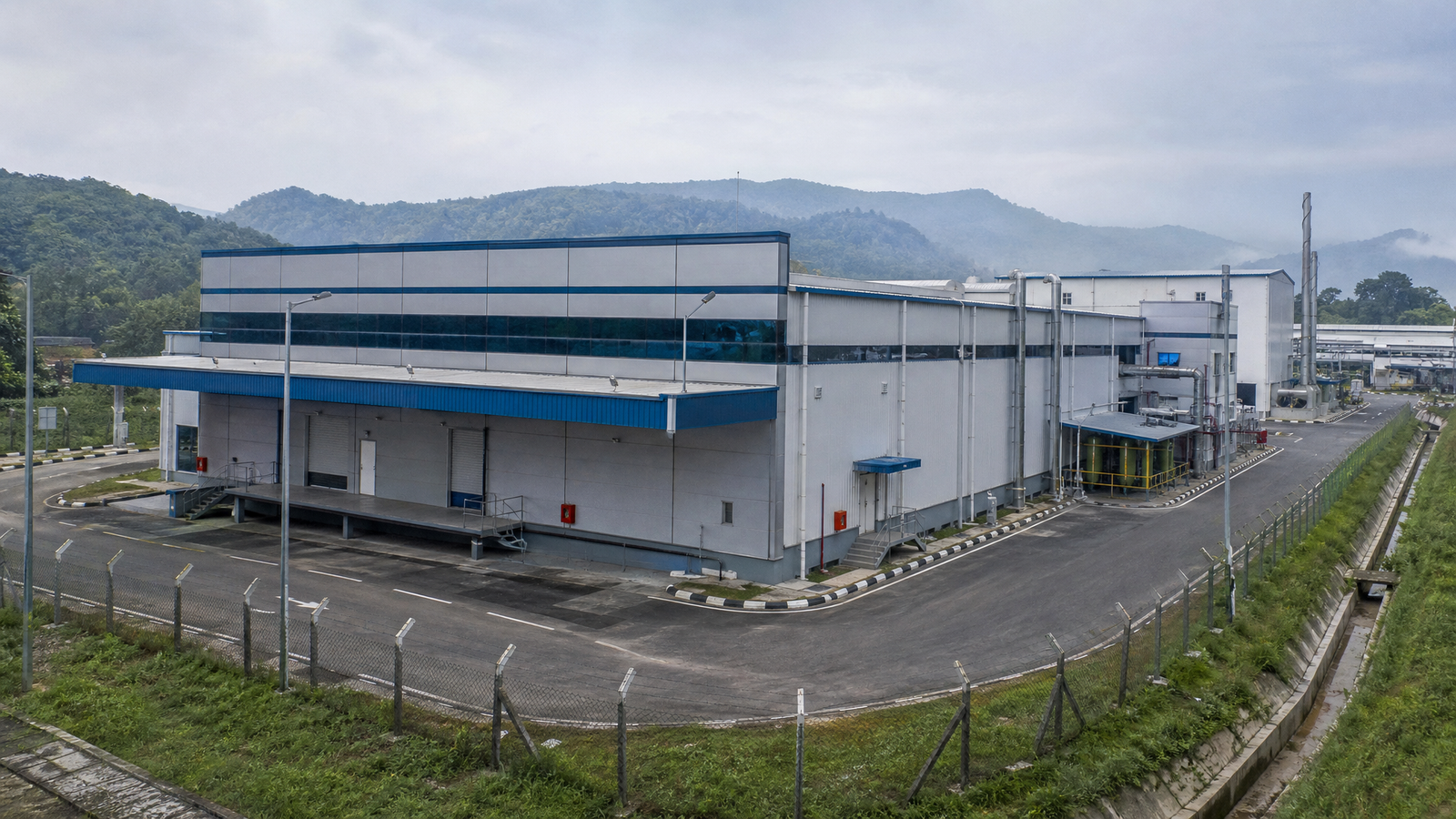
Tata Electronics’ Besi partnership in Assam signals India’s push into advanced packaging. It also shows that localization of facilities still depends on foreign equipment and process support.