Latest posts
-
China’s Waico Launch Opens a New Front in AI Governance
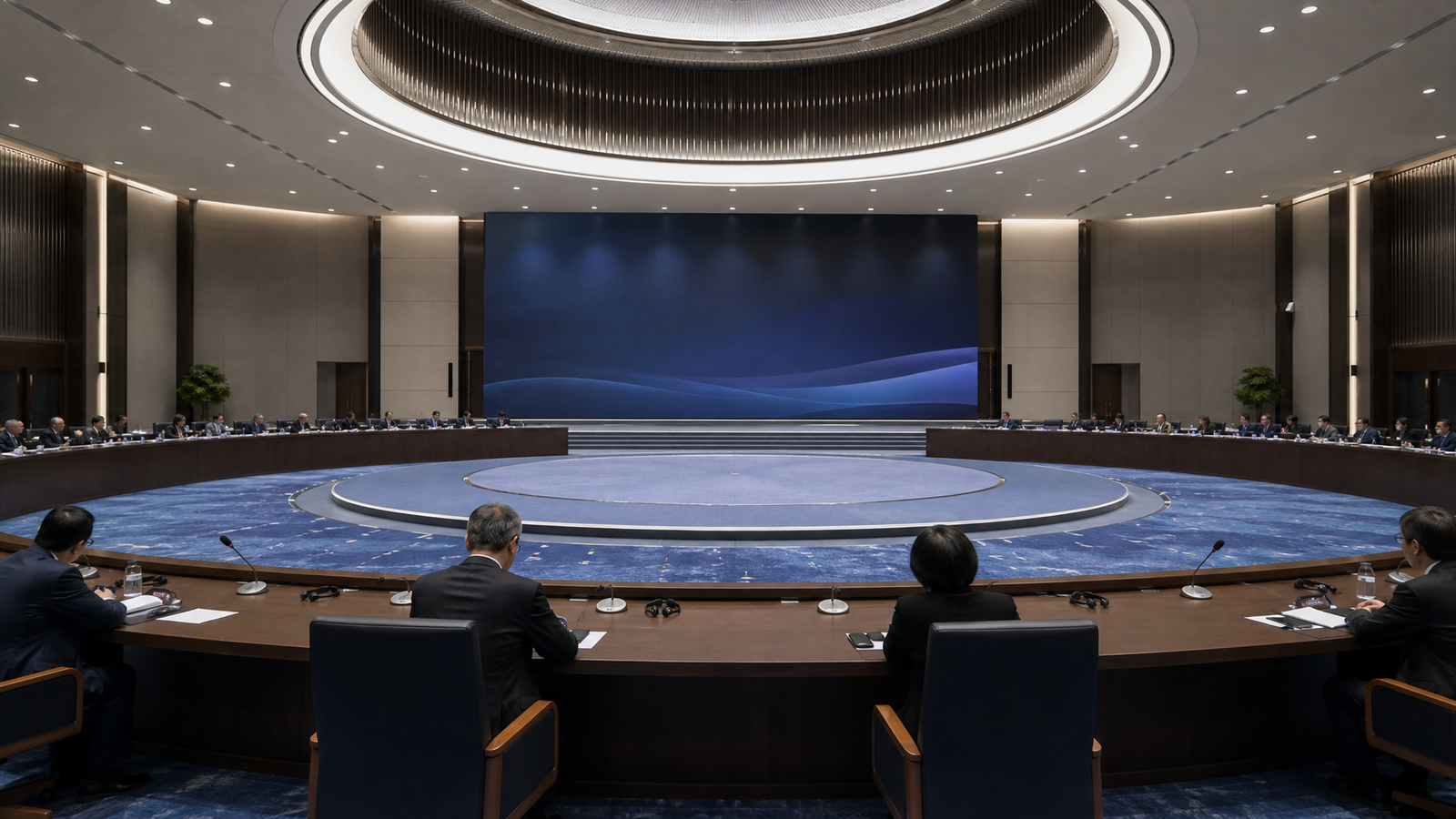
China’s Waico launch points to a broader shift in AI competition from chips and models toward governance and institution-building. If it gains traction, it could influence standards, procurement, and technology alignment across developing economies.
-
Kumamoto Earthquake Disrupts Kyushu Chip Plants, Testing Japan’s Supply Chain Resilience
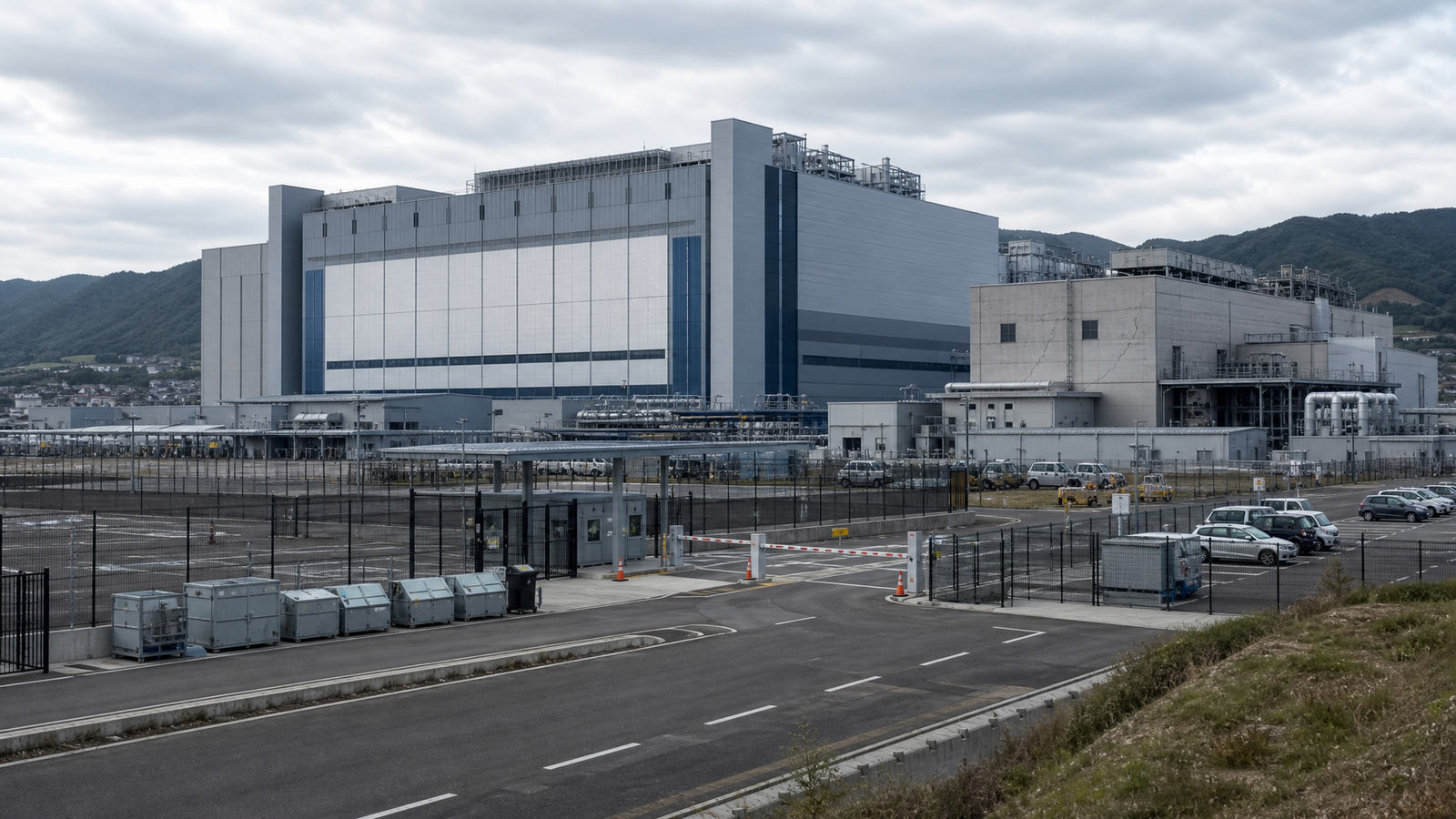
The Kumamoto earthquake disrupted semiconductor production in Kyushu, including reported damage at Renesas plants. The key issue is concentration risk, with recovery timing now critical for automotive and industrial chip supply.
-
Kimi K3 and the Fragility of the AI Infrastructure Trade

Kimi K3 exposed a fragile assumption behind the AI infrastructure trade by triggering a sharp market reaction to efficiency-led AI progress. The development shows how China-origin model releases are now influencing U.S. semiconductor valuation narratives.
-
Samsung’s Record Q2 Results Highlight AI Memory’s Strategic Importance
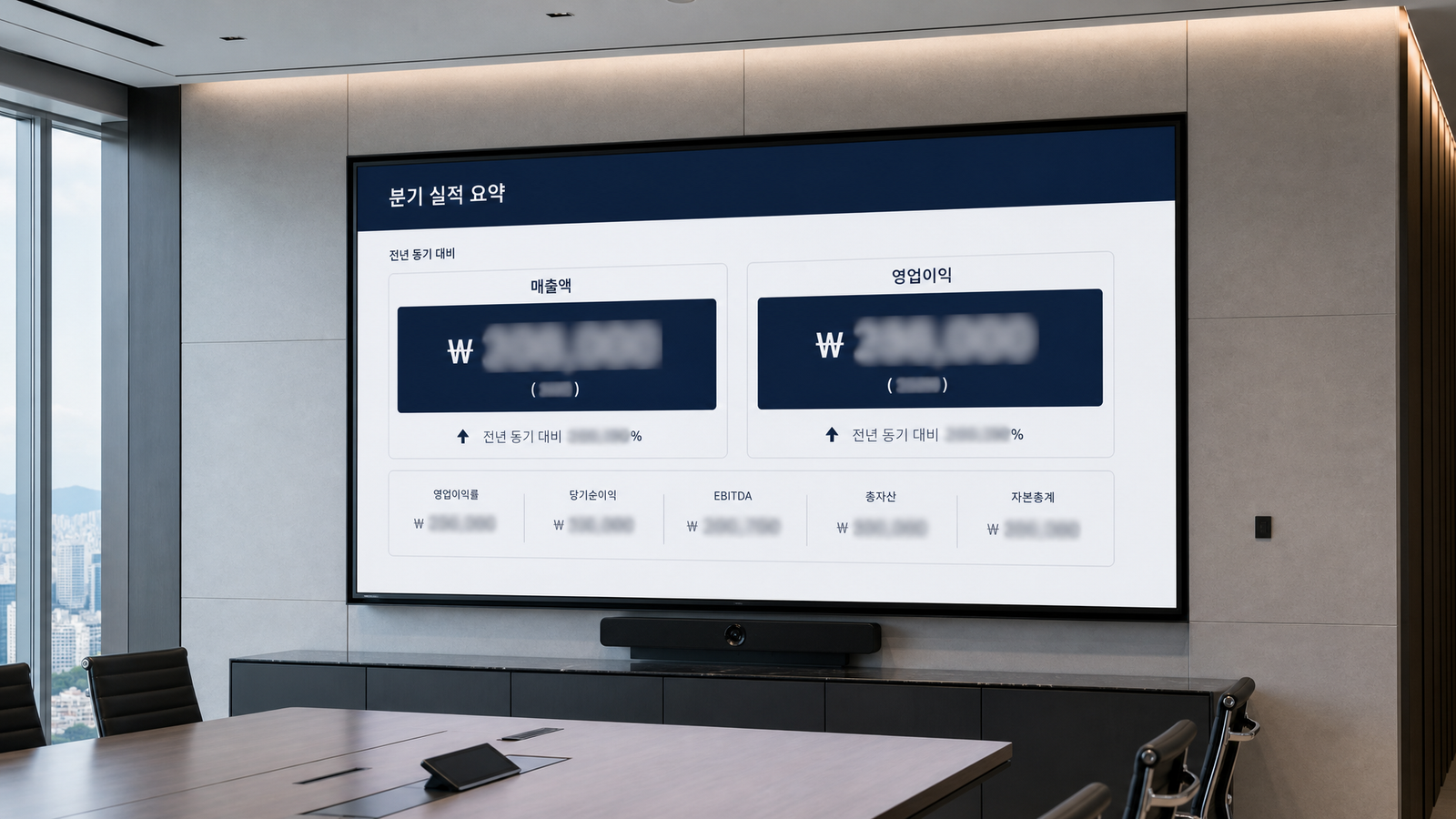
Samsung’s record second quarter suggests AI-driven HBM demand is now materially influencing semiconductor earnings. The result strengthens South Korea’s strategic role, but durability remains the key question.
-
China’s Waico Launch Signals a New Contest Over AI Governance
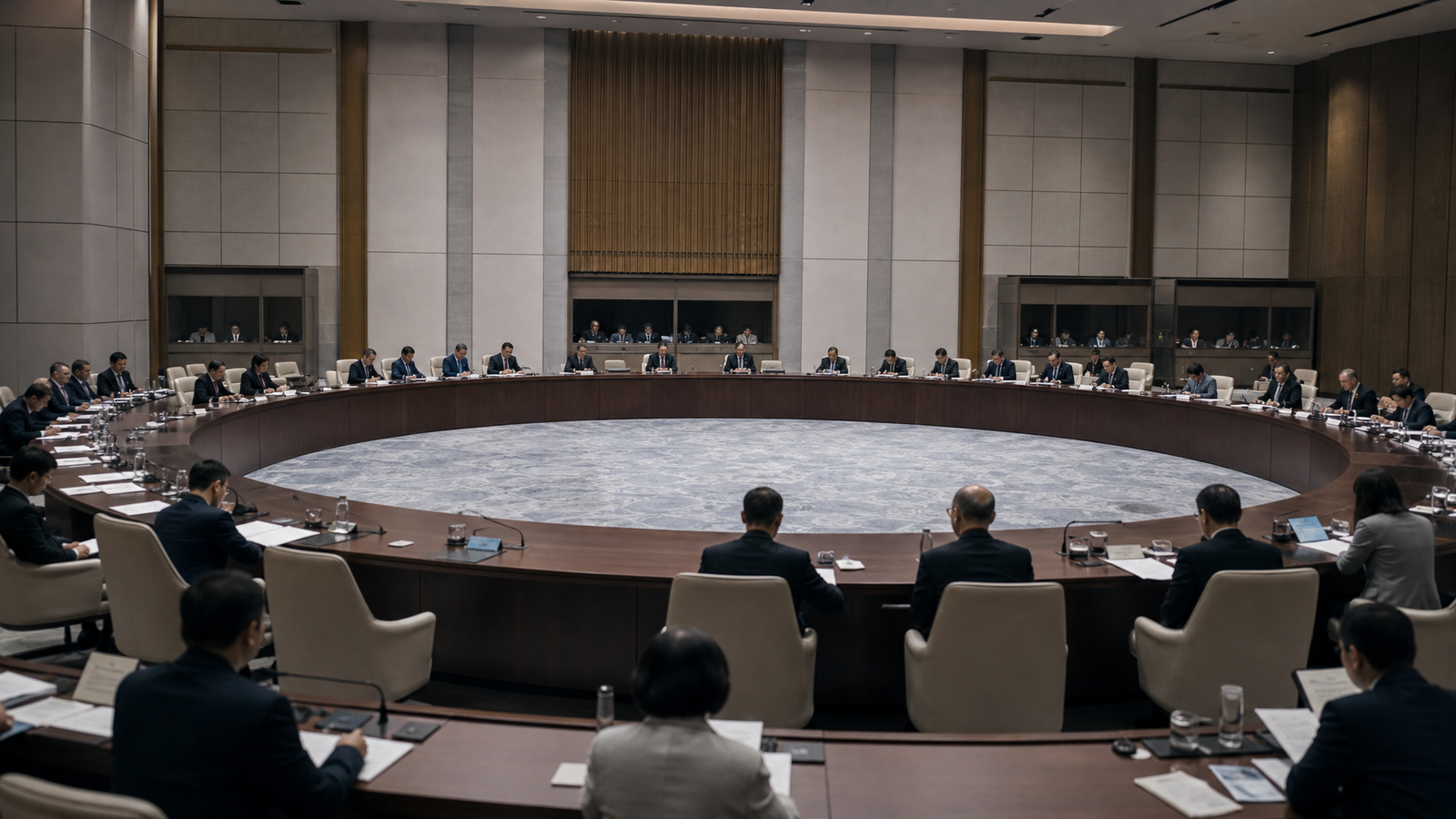
China’s launch of Waico is an early signal that AI competition is moving beyond chips and models into governance. The shift could strengthen coordination for members while fragmenting global AI rules.
-
Kimi K3 and the New Rules of Open-Weight AI in China
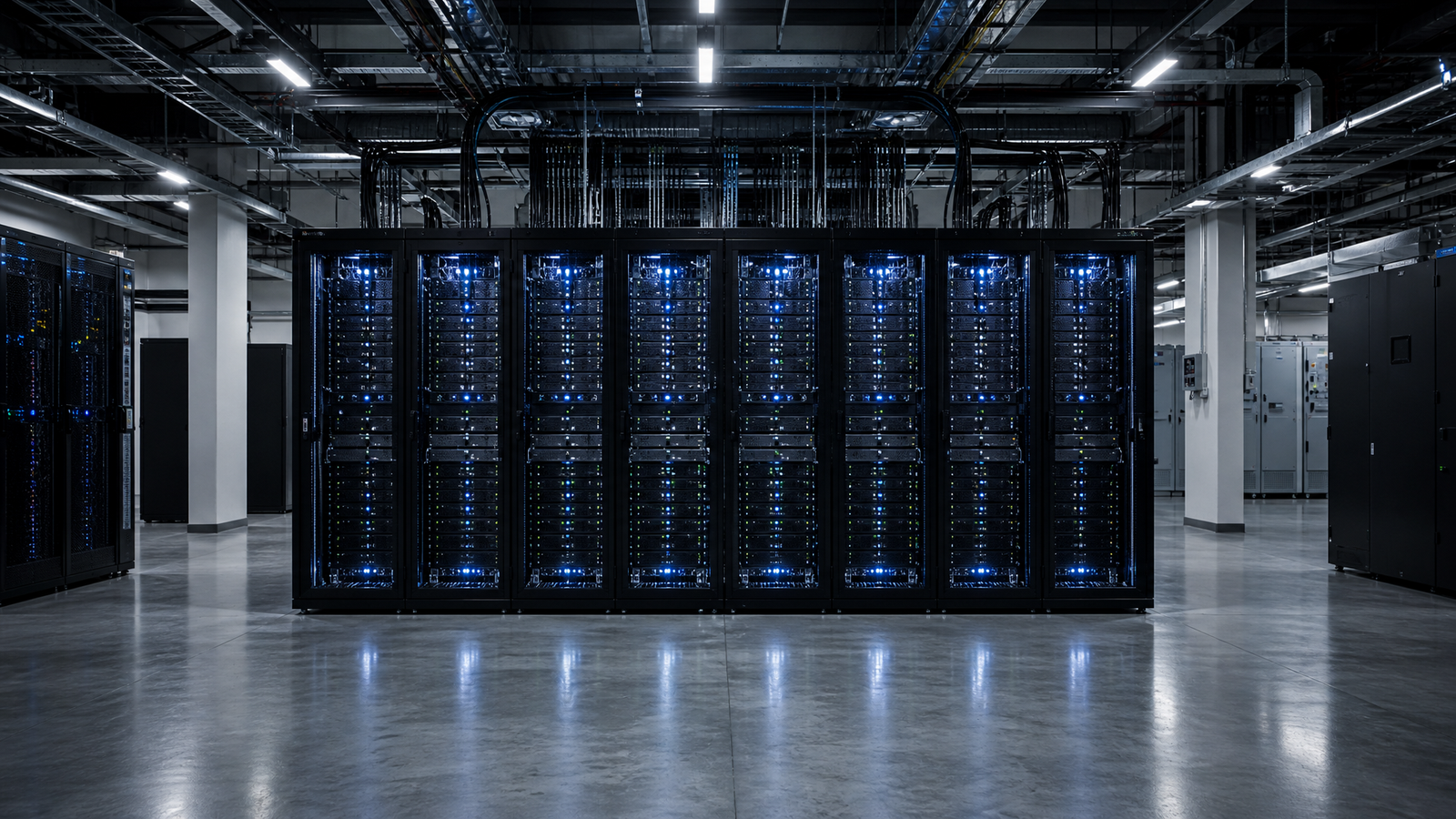
Kimi K3 appears less like a simple model launch and more like a licensing strategy. Moonshot AI’s reported open-weight release may expand adoption while preserving leverage over large commercial users.
-
NVIDIA and Safe Superintelligence: What a Reported Equity-and-Compute Partnership Could Mean for Global AI Infrastructure
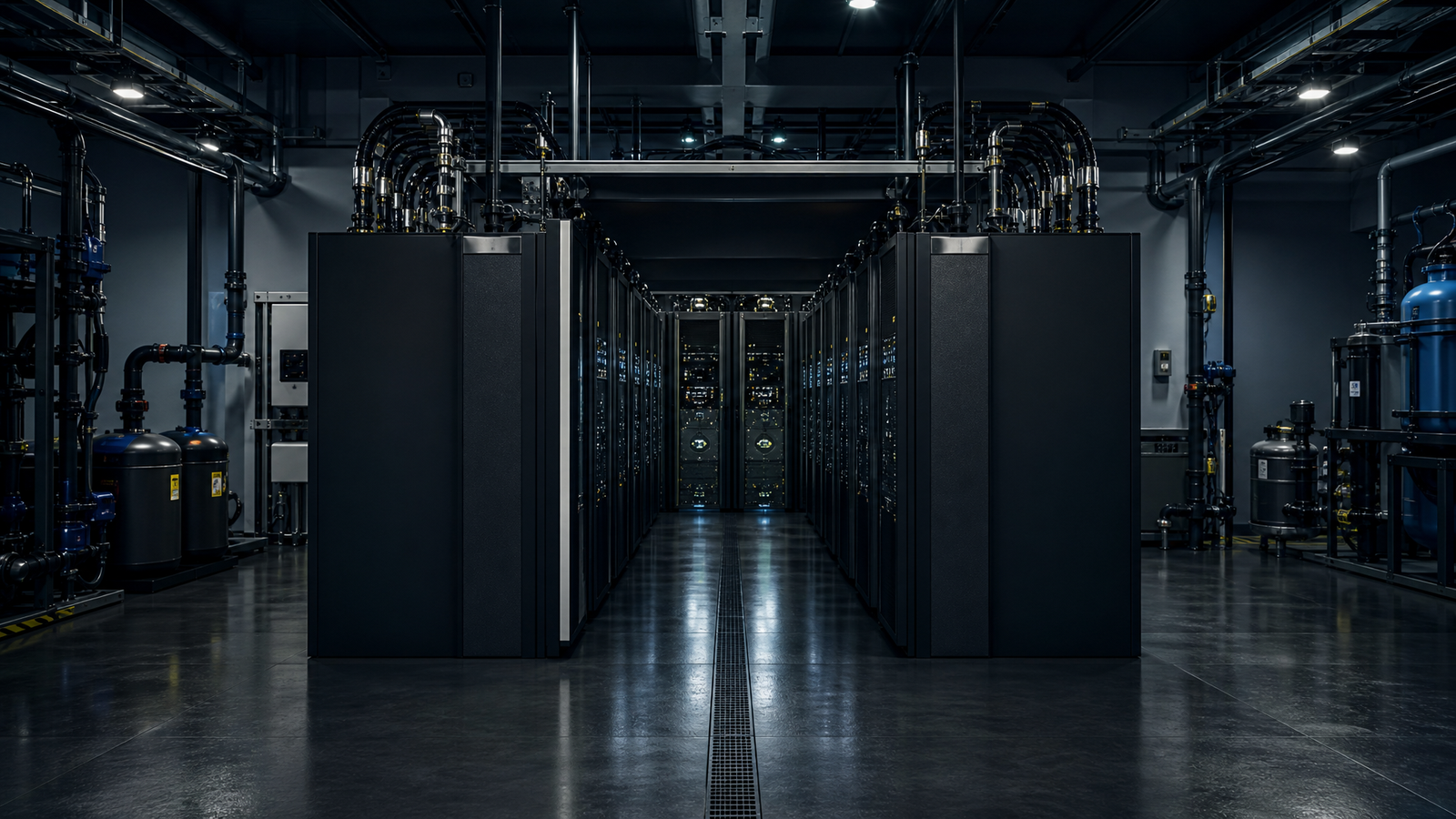
NVIDIA’s reported SSI investment may matter less as a funding headline than as a new model for AI compute access. The deal points to frontier capacity being allocated through strategic partnerships, with implications for competition and Asia-linked semiconductor supply chains.
-
Kumamoto Earthquake Tests TSMC’s Japan Expansion and Asia’s Seismic Supply Chain Risk
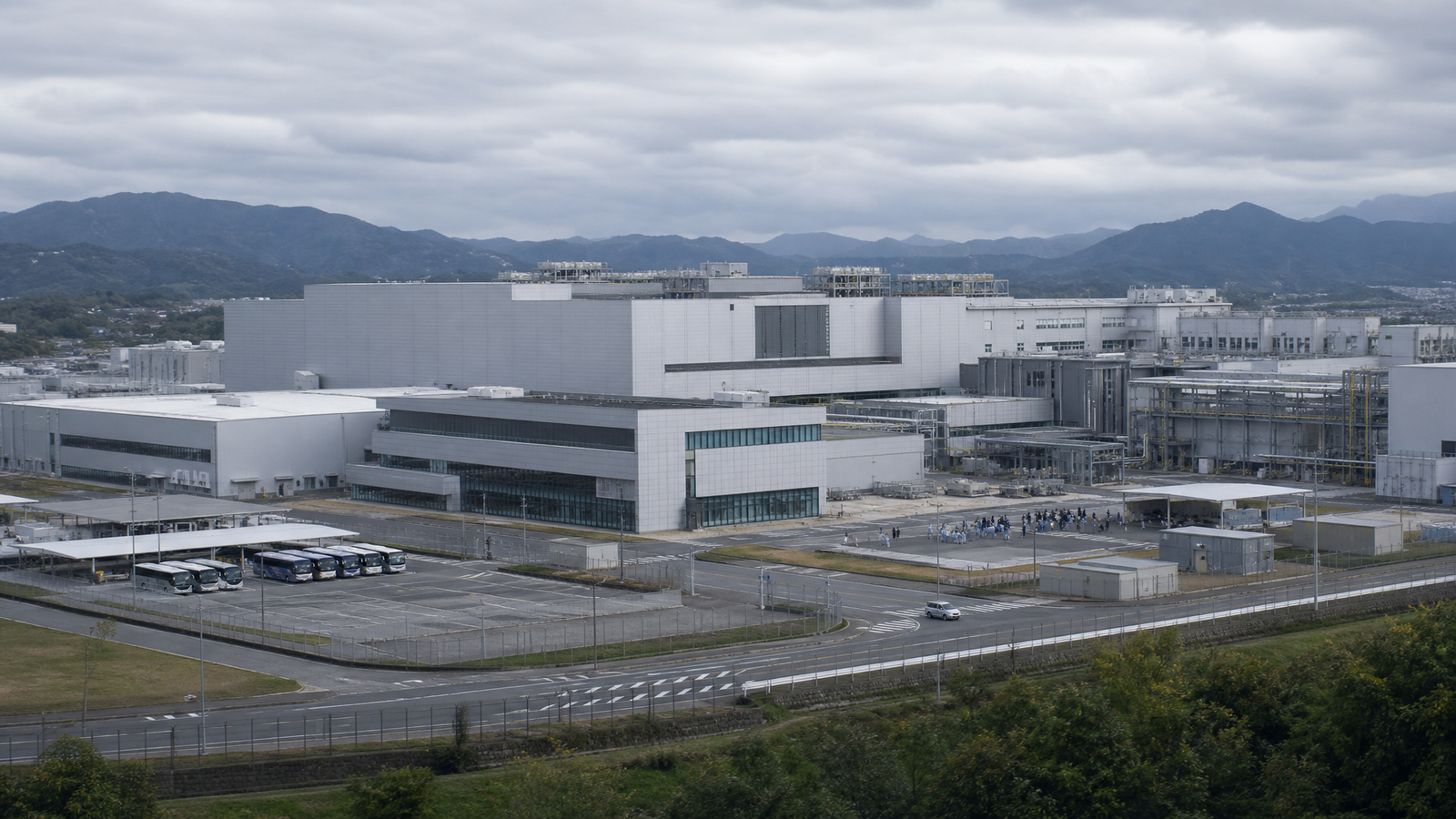
TSMC’s Kumamoto evacuation after the Kyushu earthquake appears operationally contained. The deeper lesson is that semiconductor diversification reduces concentration risk, but not physical risk in earthquake-prone regions.
-
China Launches WAICO in Shanghai, Signaling a New AI Governance Push Across the Global South

China’s WAICO launch signals that AI competition is expanding beyond chips and compute into governance. The platform could shape policy alignment across parts of Asia, but also deepen fragmentation risk.
-
Kimi K3 Open Weights Test the Economics of Frontier AI
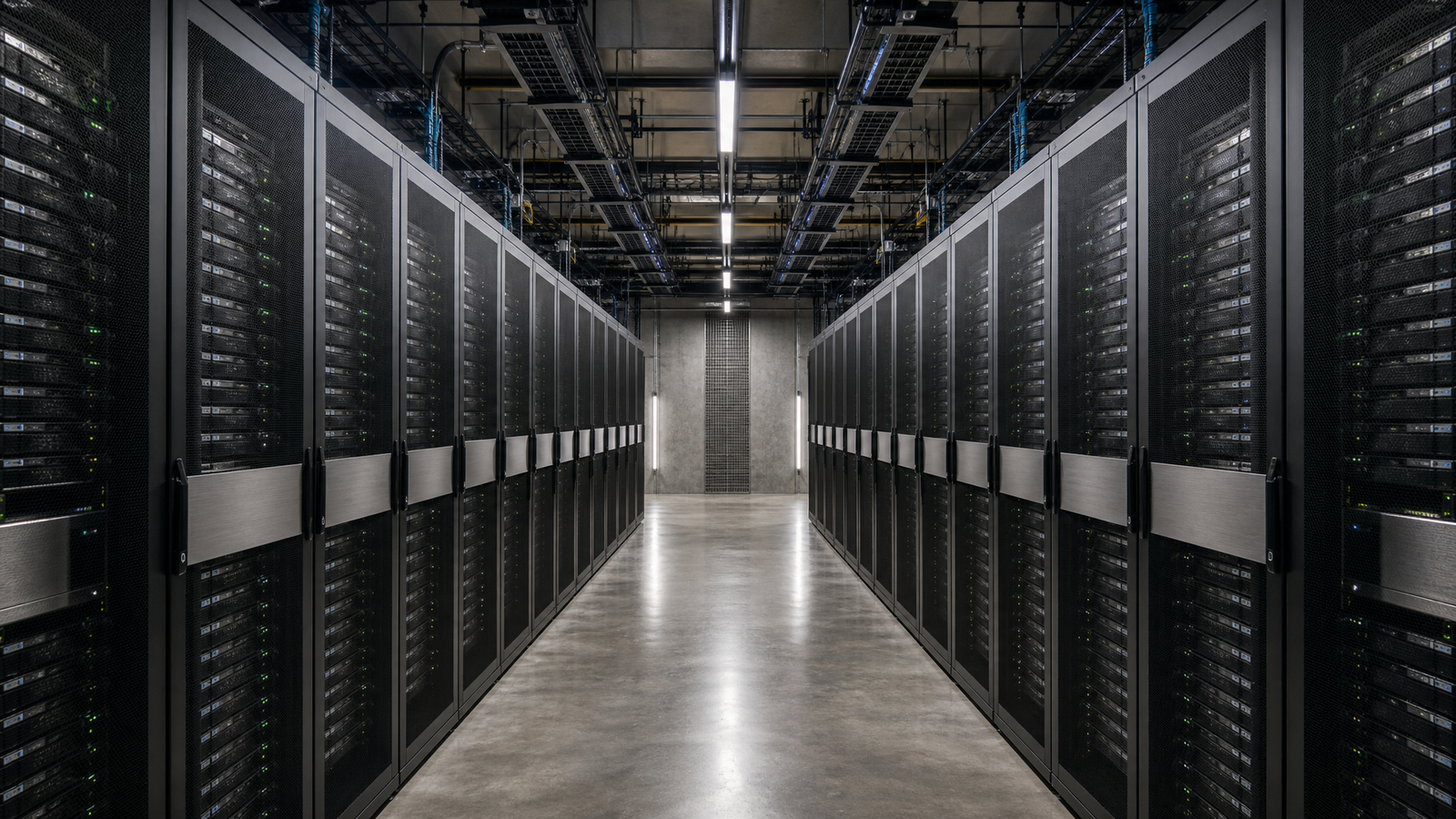
Kimi K3 may matter less as a model launch and more as a signal that frontier AI is becoming more open and infrastructure-driven. Open weights and day-0 hosting could shift competition toward deployment economics and platform dependence.