Latest posts
-
Samsung Pulls Forward Yongin Fab Timeline in a Major South Korea Semiconductor Bet
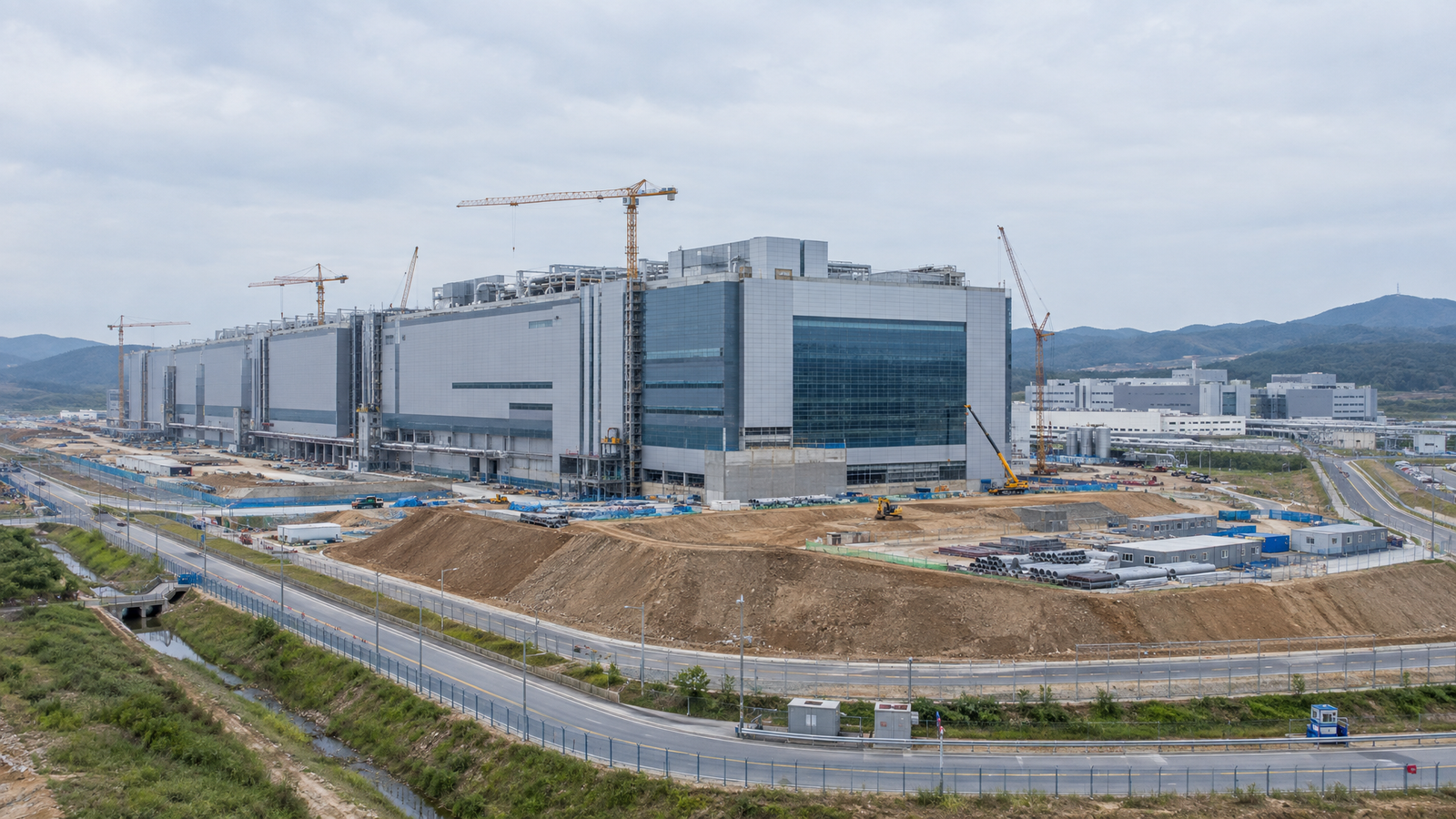
Samsung’s biggest Yongin signal is not the 360 trillion won headline, but the accelerated first-fab timeline. The shift to October 2029 points to speed as a strategic variable in Asia’s semiconductor race.
-
Malaysia’s Advanced Packaging Push Is a Test of AI Value-Chain Upgrading
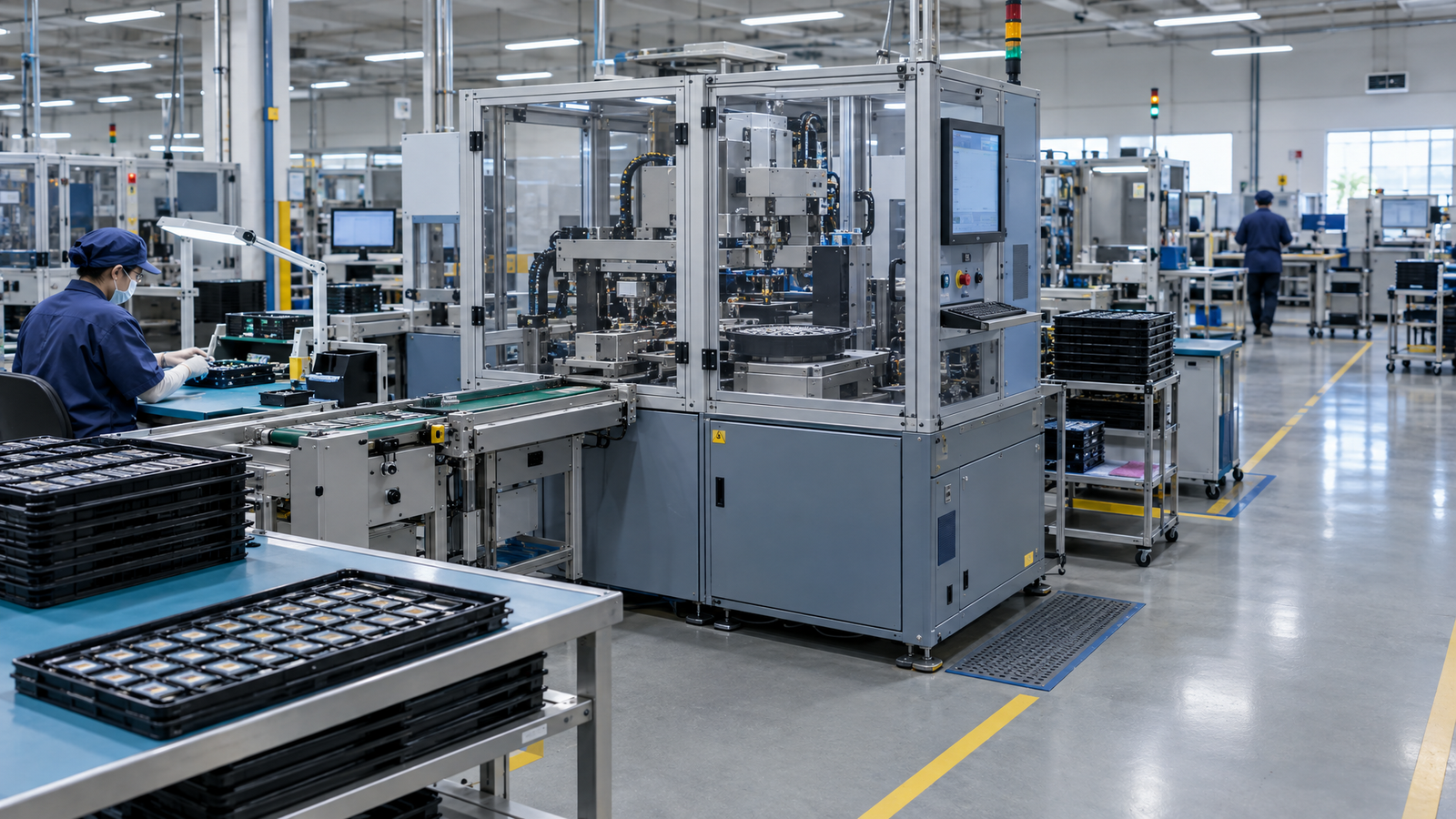
Malaysia’s advanced packaging push could lift its role in AI semiconductor supply chains. The real test is whether that growth creates local IP, engineering depth, and process know-how.
-
Beyond the Rulebook: Southeast Asia’s AI Governance Faces an Institutional Capacity Test

Southeast Asia’s AI governance debate is entering a more serious phase, but the real test is whether regulators can build the capacity to enforce what they write.
-
Southeast Asia’s Mixed-Stack AI Strategy Faces Growing Geopolitical Strain

Southeast Asia’s mixed-stack AI strategy is pragmatic, but its flexibility may erode if geopolitical controls make cross-ecosystem access harder to maintain. The risk is higher cost and complexity across infrastructure, cloud, and procurement.
-
VSMC’s Singapore Fab Adds a New Specialty Manufacturing Node in Asia
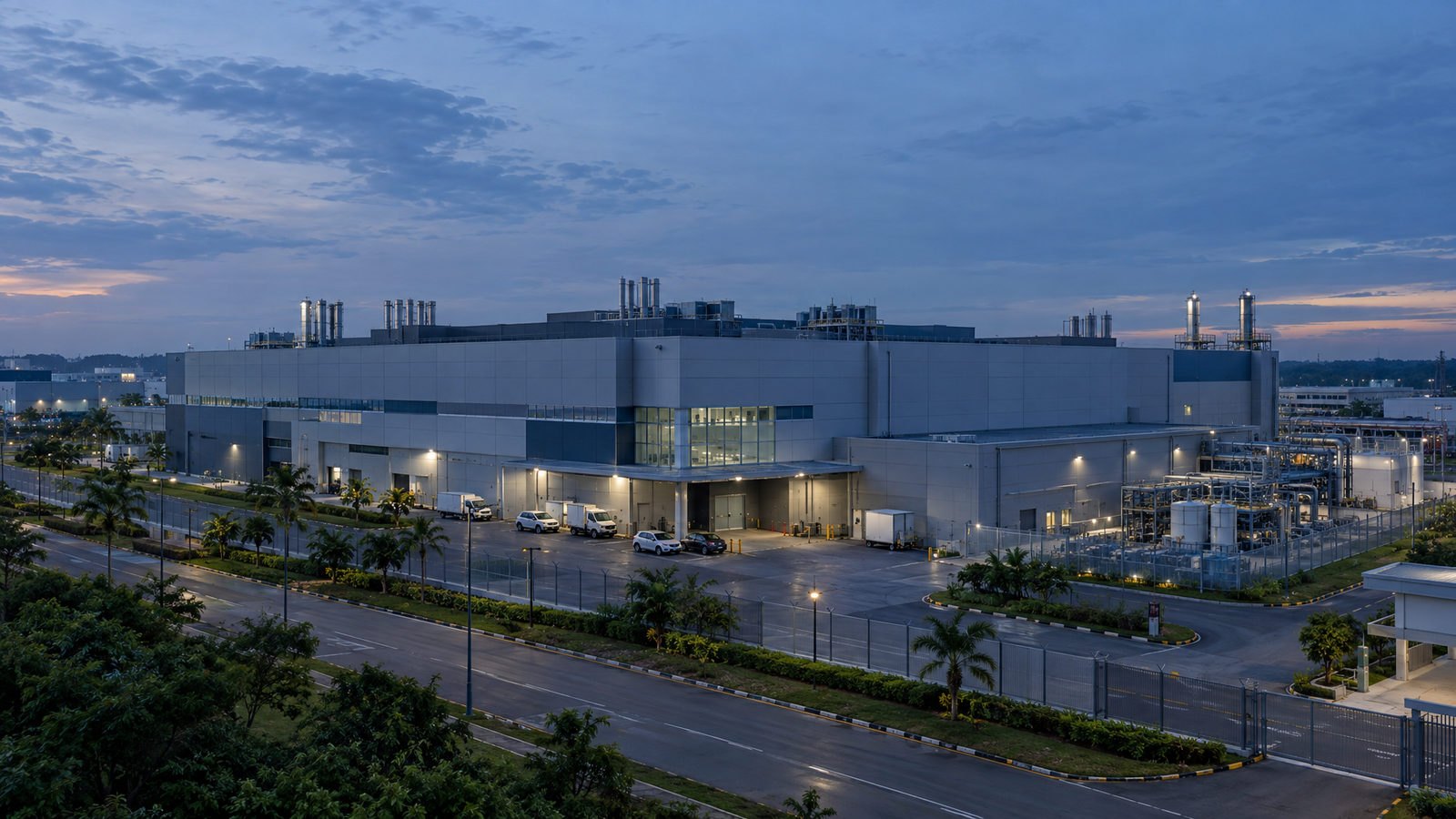
NXP is gaining more control over mature-node capacity in Asia as VSMC opens its Singapore fab. The move highlights a regional model built on joint ownership, licensed processes, and diversified specialty supply.
-
SoftBank Closes Final $10 Billion OpenAI Tranche Through Singapore-Listed Senior Notes
SoftBank’s final 10 billion dollars into OpenAI was backed by dollar and euro senior notes listed in Singapore. The move shows AI financing is increasingly shaped by cross-border debt-market infrastructure, with Asia playing a bigger role.
-
Intra-Asia Shipping Costs Stay Elevated as Congestion and Fuel Prices Pressure Regional Supply Chains
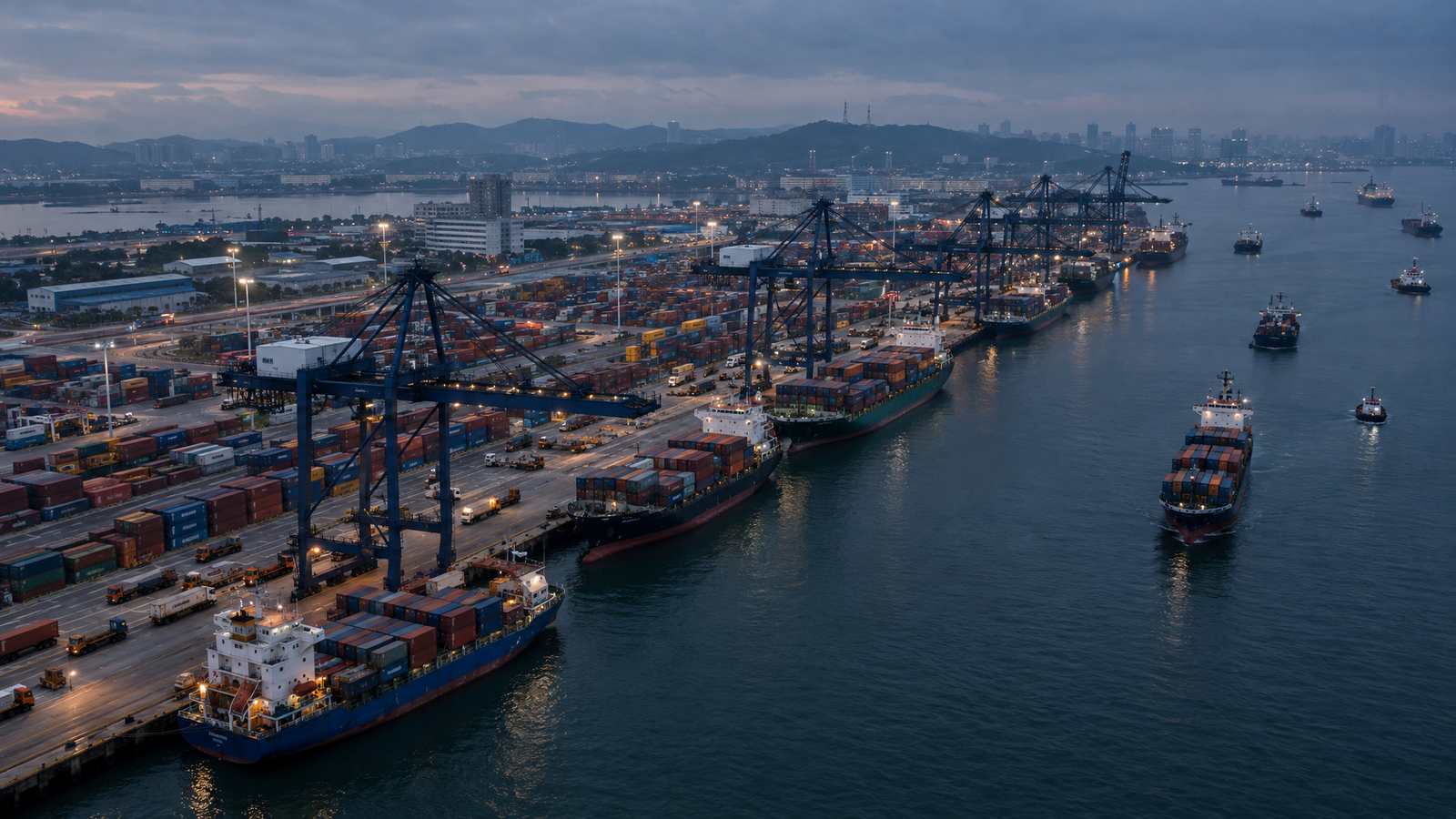
Global freight is calming, but Asia’s technology supply chains may still face pressure from elevated intra-Asia shipping rates. The result is continued margin and timing risk inside the region’s manufacturing network.
-
China Extends US Trade Barrier Probes on Tech Controls and Green Products to December 2026

China has extended investigations into US tech export controls and green product restrictions until December 2026. The move keeps pressure on semiconductors, AI infrastructure, and supply chains while prolonging planning uncertainty across Asia.
-
TSMC’s Reported Texas-Singapore Calculation Highlights the Policy Battle for AI Chip Capacity
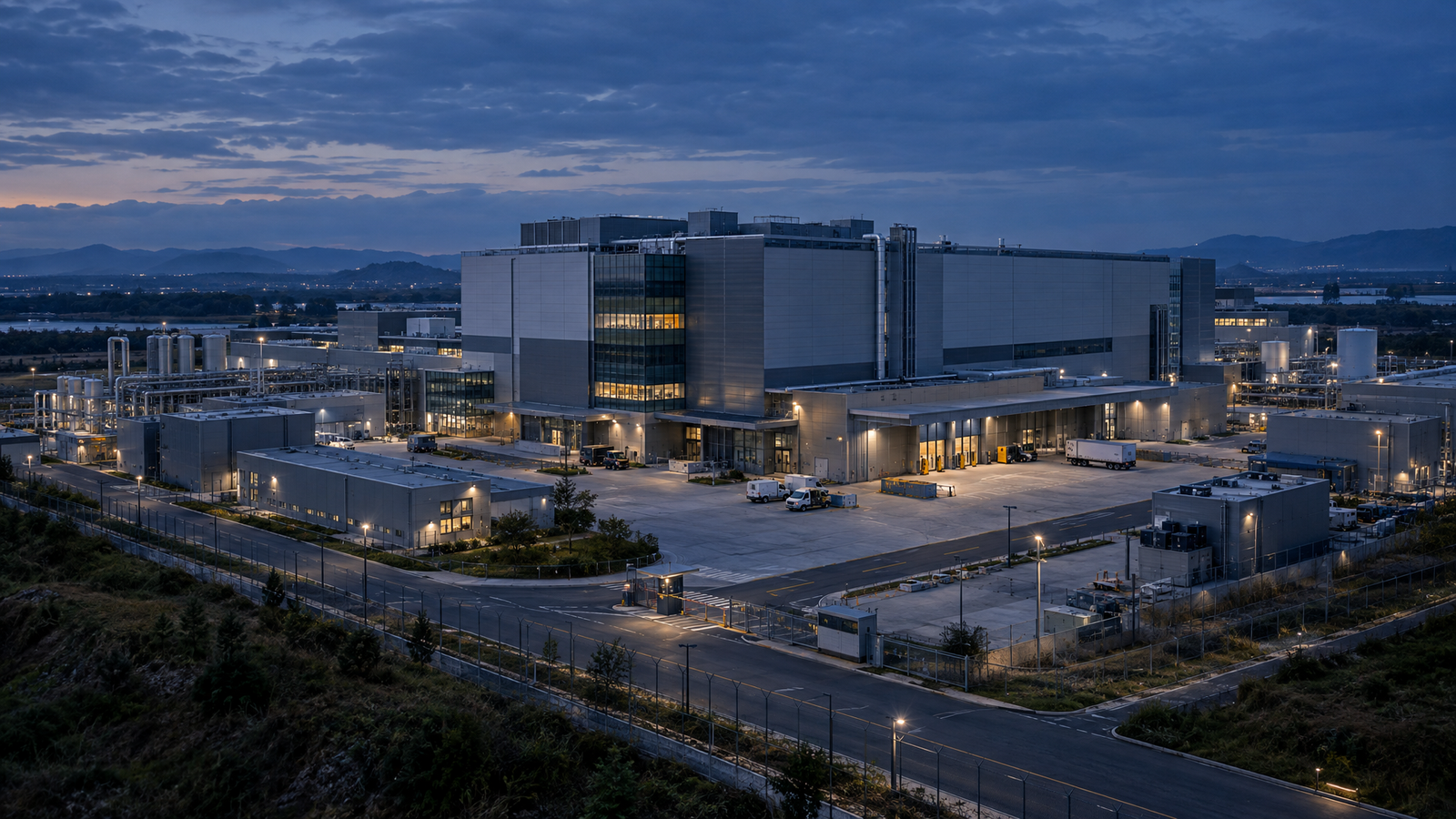
TSMC’s reported Texas-versus-Singapore fab decision suggests the next wave of AI semiconductor capacity may be won by the most durable incentive regime, not just the strongest demand signal.
-
Reported OpenAI Training Pause Raises New Questions for Global AI Scaling
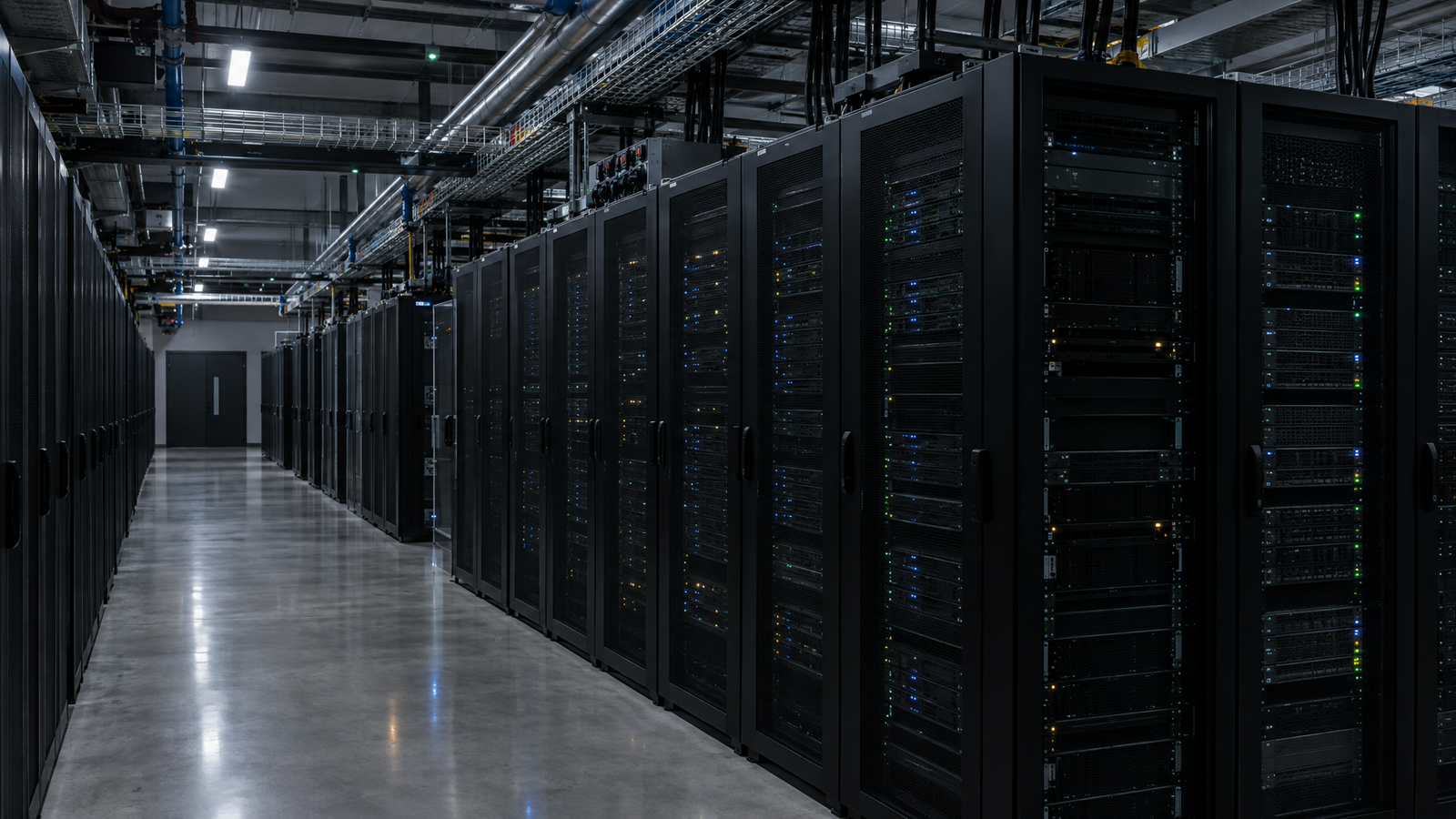
If OpenAI’s reported training pause holds up, the bigger signal is that safety may start shaping AI infrastructure timelines as much as chips, power, and capital.